 Get Listed


How to Accurately Measure Round Poles and Pipes for Successful Anti Climb Collar Installation
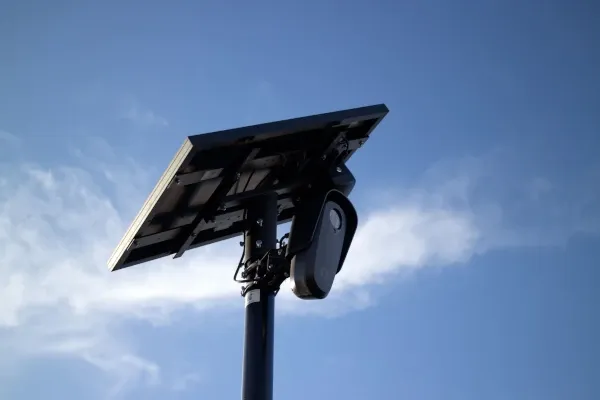
Accurately determining the diameter of circular poles and pipes is essential for successfully installing anti climb collars. In our latest blog post we detail exactly how to do it.
Accurately measuring the diameter of pipes and poles is essential for safety, structural integrity, and security. Exact measurements ensure that attached accessories (like Anti Climb Collars for Pole and Post Protection) fit tightly to prevent slipping, tampering, or causing accidental injuries.
Circumstances Requiring Accurate Pole or Pipe Measurement
Security & Anti-Climb Devices
Installing spiked anti-climb collars to prevent unauthorised access to pole mounted equipment, such as utility poles, lighting masts and CCTV supports, requires the measurement of exact pole dimensions. Similarly, installing security collars on exterior drainpipes and downpipes demands exact pipe sizes so the collar grips tightly without crushing the pipe or potentially sliding.
Plumbing and Pipe Fittings
Accurate measurements of pipework, often involving both outside diameter and inside diameter dimensions, are essential to ensure water-tight connections and prevent leaks when installing pressure pipes and drainage fittings.
Lifting and Rigging
In construction operations, accurate sizing dictates the safe working load limits for slings, hooks and hoisting equipment used to lift and manoeuvre heavy pipework.
Structural Supports & Clamping
Attaching pipes to Unistrut channels or building studs requires precise bolt-on clamps to ensure the mount does not loosen under vibration or heavy loads
Why Precise Measurement Matters
Accurately measuring the dimensions of posts and pipework ensures the correct size of post or pipe collar is obtained for installation. The right size of post or pipe collar will fit snugly, preventing the security device from slipping, rotating or being potentially pried off by someone who wants to access the top fo the pole or pipe. Precisely matched pole and pipe collars also maintain the structural integrity of the pole or pipe by not being overly tight and potentially causing damage.
The key reasons why accurate measurement is vitally important include:
- Ensuring the right size of pole or pipe collars are obtained and money isn’t wasted.
- Avoiding damage to poles and pipework that can potentially occur if incorrectly-sized brackets are over-tightened, crushing or weakening the support pole or pipe.
- Ensuring legal and safety compliance by fixing anti climb collars above the required height (typically around 2.2 metres) to avoid causing injure or damage to passers-by. A shifting or slipping pole or pipe collar might drop to below this legal height restriction resulting in significant liability issues.
- Presenting a strong, effective visual anti climb deterrent. A poorly mounted anti climb collar that looks unstable can attract the attention of unwanted climbers or intruders.
- Establishing an effective anti climb barrier that will prevent people from climbing poles and posts means the installed anti climb collar must be optimally installed.
Tools Needed to Measure the Diameter of a Pole or Pipe
Accurately determining the diameter of a circular post or pipe can be achieved using a couple of techniques.
Firstly, If it is possible to access the end of the pole or post then the diameter can be measured across the circular profile. But existing pipework, such as the rainwater drainage pipes on the outside of most buildings, generally can’t be easily measured from the end and supporting poles and posts are sometimes tapered, so end measurement would not be valid.
The second technique is to measure the circumference of the pipe or post, at the point where the collar is to be installed, and from this measurement calculate the pipe or pole diameter.
The tool options necessary to achieve required measurements are:
- A tape measure, that can be wrapped around the pole or pipe to measure its circumference.
- Calipers or Vernier Caliper. There are a variety of caliper types including digital callipers. A Vernier Caliper is a specific type of analog measuring device that’s highly reliable, durable and doesn’t rely on batteries.
- Printable pipe sizing templates are another option. These are downloadable, to-scale PDF files or images, used to accurately identify the diameter and nominal size of existing pipes. They work by cutting out paper guides or wrapping calibrated strips around a pipe to match the circumference to a specific standard, eliminating measuring guesswork. Follow this link to see an example.
- A length of string and a metre stick (or yardstick) - can be used as an alternative to a tape measure.
Step-by-Step Pipe or Pole Diameter Measurement
The most commonly used circular pipe or pole diameter measuring technique uses a tape measure.
- Wrap the tape measure around pole or pipe at the location where the anti climb collar is to be installed.
- Note that while most pipes are uniform in diameter, throughout their length, poles can be tapered which is why its beneficial to assess the pole diameters precisely at the pole collar installation height.
- Alternatively, a piece of non-stretchy string can be used. Wrap the string around the pole or pipe to determine the circumference and then measure this string length using a ruler or metre stick.
- Having established the pole or pipe circumference divide this by pi (3.14) to calculate the overall diameter.

Matching Pole and Pipe Dimensions to Anti Climb Products
Having established the accurate pole or pipe dimensions where the anti climb defence collar is to be installed the correct size of security device can be readily selected.
For example, if the pole or pipe diameter has been determined to be about 168mm then the spiked anti climb collar size required should be for 168mm diameter or 6.5 inch poles.
| Approximate Circumference | Outside Diameter | Anti Climb Collars |
| 230mm (9.05 inches) | 73mm (3 inch) | Collars for Small Round Poles |
| 280mm (11 inches) | 89mm (3.5 inches) | Collars for Small Round Poles |
| 359mm (14.1 inches) | 114.3mm (4.5 inches) | Collars for Medium Round Poles |
| 444mm (17.4 inches) | 141.3mm (5.5 inches) | Collars for Medium Round Poles |
| 529mm (20.8 inches) | 168.3mm (6.5 inches) | Collars for Medium Round Poles |
| 688mm (27 inches) | 219mm (8.5 inches) | Collars for Large Round Poles |
| 858mm (33.8 inches) | 273mm (10.75 inches) | Collars for Large Round Poles |
Common Measuring Mistakes to Avoid
Inevitably, mistakes can often be made when assessing the dimensions of posts and pipework where anti climb collars are to be mounted. Here are some of the most common.
- Mixing up metric and imperial dimensions.
- UK pipework is often referenced using old-school imperial measurements such as 3.5 inch pipes. Its important to ensure consistent use of either metric or imperial units.
- Overlooking the thickness of existing paint coatings.
- Pipes and poles that have undergone repeated repainting work, build up significantly thick coatings of accumulated dried paint.
- Measuring poles at ground level.
- As previously noted, many mounting poles are slightly tapered, so the diameter dimension at the height where the collar is to be attached can be significantly smaller than the dimension at the base of the pole.
- Confusing nominal size with actual pipe diameter.
- Assuming that what is referred to as a “2 inch pipe” has an external diameter of 2 inches is wrong. Nominal Pipe Size (NPS) refers to the internal bore size of the pipe, not the external diameter.
- Loose or angled tape measurements.
- When measuring the circumference of a pipe or post using a tape measure or length of string its important not to allow the tape or string to sag or be applied at a skewed angle as this will result in an inaccurate measurement.
- Inaccurately calculating diameter from circumference.
- As noted, dividing the measured diameter of a circular pole or pipe by pi (3.14) provides an adequately accurate determination of the diameter. Miscalculation results in an incorrect diameter assessment.

Pole or Pipe Collar Installation Checklist
For anti-climb spiked collars on equipment poles, masts, pipework, and similar structures, a thorough installation checklist should cover planning, safety, compliance, installation, and long-term maintenance.
Here’s a useful breakdown of the pre-installation and installation steps to follow.
1. Pre-Installation Assessment
Confirm the Purpose
- Identify exactly what you are protecting:
- Equipment supporting poles
- CCTV poles
- Lighting columns
- Communications masts
- External pipework
- Structural supports.
- Determine the climbing threat:
- Opportunistic access
- Vandalism
- Theft
- Sabotage
- Unauthorized roof access.
Site Survey
Record:
- Measured pole or pipe diameter at the point where collars are to be mounted
- Shape of the pole, pipe or post (round, square, rectangular)
- Material (steel, stainless steel, aluminum, PVC, coated steel)
- Height of structure, noting the height at which the anti climb collar is to be installed
- Ground conditions. Important to ensure conditions are safe for ladder usage.
Check for:
- Existing attachments
- Cable trays
- Conduits
- Brackets
- Signage
- Obstructions
- Maintenance access requirements.
Identify Potential Hazards
- Pedestrian traffic nearby
- Vehicle traffic nearby
- Public access areas
- Emergency escape routes
- Work-at-height hazards.
2. Regulatory and Liability Considerations
Verify Local Requirements
Check the following:
- Building owner or occupier requirements
- Site security standards
- Health and safety regulations
- Insurance requirements.
- Risk Assessment.
Document:
- Potential injury from spikes
- Public accessibility
- Maintenance worker exposure
- Future access requirements.
Determine Need for Warning Signage
Consider installing warning notices stating:
- "Anti-Climb Device Installed"
- "Authorised Personnel Only".
Signage should be visible before someone reaches the anti climb collar.
3. Product Selection
Verify Correct Collar Size
Confirm:
- Actual measured pole or pipe diameter at the point where anti climb collar is to be installed
- Allowance for coatings or wraps
- Thermal insulation thickness (if installed on pipework).
Material Compatibility.
Select:
- Stainless steel for corrosive environments
- Galvanized steel for general outdoor use.
Environmental Suitability
Assess:
- Coastal locations
- Chemical exposure
- High humidity
- Freeze-thaw cycles
- High wind exposure.
Fastener Selection
Use:
- Corrosion-resistant fixings
- Manufacturer-approved fasteners
- Tamper-resistant fasteners where required.
4. Installation Planning
Determine Collar Height
Common anti climb collar installations are often around 2.2–3 metres above ground level, but follow the manufacturer`s instructions and site-specific risk assessment.
Verify Access Requirements
Determine:
- Ladder access required?
- Mobile elevated work platform (MEWP)?
- Scaffold?
Establish Exclusion Zone
Before commencing installation work:
- Barrier off the work area
- Control pedestrian access
- Control vehicle movements if necessary
- Ensure installation can proceed safely.
5. Equipment and Tools
Required Tools
Make certain you have the tools required:
- Tape measure
- Calipers (if needed)
- Torque wrench
- Socket set/spanners
- Drill (if needed)
- Deburring tools
- Marker pen
- Spirit level.
PPE
Ensure workers have the required personal protective equipment:
- Safety helmet
- Eye protection
- Cut-resistant gloves
- Safety footwear
- High-visibility clothing
- Fall protection equipment (where required).
6. Pre-Installation Inspection
Inspect Collar Components
Check for:
- Missing parts
- Bent spikes
- Manufacturing defects
- Damage from transport
- Corrosion.
Verify Hardware
Confirm the following:
- Correct bolt lengths
- Correct washers
- Tamper-proof hardware included.
7. Installation Procedure
Prepare Installation Area Surface
- Remove dirt and debris
- Remove loose corrosion
- Ensure mounting area is dry
- Repair damaged coatings if required.
Position the Collar
Verify:
- Correct height
- Correct orientation
- No interference with equipment
- Full circumference coverage.
Check Clearances
Ensure:
- No cables trapped
- No conduit damage
- No obstruction of maintenance points
- No interference with pipe supports.
Secure Fasteners
- Tighten evenly
- Follow manufacturer torque settings
- Verify fit before tightening: ensure spikes face outward at 45° angles
- Avoid over-tightening.
Verify Stability
Check and Confirm:
- No rotation
- No vertical movement
- No excessive flexing.
8. Post-Installation Safety Inspection
Physical Inspection
Check and confirm:
- Installed collar is level
- Spikes undamaged
- Fasteners fully seated
- No sharp edges other than intended spikes
- No loose components.
Access Prevention Verification
Confirm:
- No practical footholds below the collar
- No bypass route around collar
- No nearby structures that defeat the protection.
Public Safety Verification
Confirm:
- Collar does not protrude into walkways
- Collar does not create vehicle strike hazards
- Warning signs installed as required.
9. Documentation
Record Installation Details
Document:
- Location
- Asset identification
- Collar model
- Installation date
- Installer name
- Photographs before and after installation.
Retain Manufacturer and Supplier Information
Keep:
- Installation instructions
- Maintenance requirements
- Warranty documentation
- Torque specifications for fastenings.
10. Maintenance and Inspection Program
Initial Inspection
Conduct after:
- First severe weather event
- First month of operation (if in a high-risk area).
Routine Inspections
Inspect:
- Annually as a minimum
- More frequently in harsh environments.
Check for:
- Corrosion
- Loose fasteners
- Damage to spikes
- Impact damage
- Evidence of attempts to climb over
- Unauthorized modifications
- Movement or rotation.
Corrective Actions
Replace or repair if:
- Fasteners loosen
- Collar shifts position
- Corrosion compromises strength
- Spikes become bent or missing.

Common Causes of Installation Problems
Avoid these issues that are sometimes encountered:
- Incorrect diameter collar selected
- Collar installed too low and easy to bypass
- Collar installed where maintenance personnel regularly work
- Galvanic corrosion between dissimilar metals
- Failure to torque fasteners correctly
- Lack of warning signage in public areas
- Trapped cables or conduits under collar clamp bands
- No documented inspection regime
- Installation near structures that provide an alternative climbing route.
Where Anti Climb Post Pipe Collars are Widely Used
Anti-climb collars are commonly installed wherever poles, pipework, columns, or similar structures could provide unauthorized access to roofs, equipment, elevated platforms, or sensitive infrastructure.
In the UK, anti-climb collars are particularly common around schools, churches, apartment buildings, utility infrastructure, and public-sector properties because these often have externally accessible pipes or poles that can be used as climbing aids. Many security surveys identify rainwater downpipes and service pipework as one of the most common unintended access routes to flat roofs and lower-level roofs.
Educational Facilities
- Schools
- Colleges
- Universities
- Student accommodation blocks
- Sports halls and gymnasiums
- School maintenance compounds.
Religious Buildings
- Churches
- Cathedrals
- Mosques
- Synagogues
- Temples
- Religious community centres.
These sites often have external rainwater pipes, service risers, and architectural features that can be climbed to access roofs or upper levels. Churches and other buildings are often targeted by thieves intent on stealing valuable roofing materials.
Public Buildings
- Libraries
- Museums
- Town halls
- Civic centres
- Community centres
- Courthouses
- Government offices
- Public leisure centres.
Healthcare Facilities
- Hospitals
- Health clinics
- Mental health facilities
- Care homes
- Rehabilitation centres.
Residential Properties
- Apartment blocks
- Social housing developments
- Student housing
- Sheltered housing
- Retirement communities.
Anti-climb collars are often fitted to rainwater downpipes and service risers where roof access is a concern.
Commercial Buildings
- Office buildings
- Business parks
- Retail parks
- Shopping centres
- Supermarkets
- Hotels.
Industrial and Utility Sites
- Factories
- Warehouses
- Distribution centres
- Processing plants
- Water treatment facilities
- Pumping stations
- Power substations
- Renewable energy installations
Transport Infrastructure
- Railway stations
- Train depots
- Tram depots
- Bus stations
- Airports
- Port facilities.
Transport hubs often utilise extensive pole mounted equipment including lighting and CCTV cameras. This valuable equipment is commonly protected using anti climb collars.
Telecommunications and Technology Sites
- Cellular communication sites
- Data centres
- Broadcast transmitter facilities
- Network equipment compounds
- Communications towers.
Security-Sensitive Sites
- Police stations
- Fire stations
- Correctional facilities
- Military facilities
- Secure government premises.
Sports and Recreation Facilities
- Stadiums
- Sports grounds
- Recreation centres
- Swimming pools
- Tennis centres
- Golf club facilities.
Parks and Open Spaces
- Public parks
- Nature reserves
- Visitor centres
- Children`s play areas
- Public toilets
- Park maintenance buildings.
Common Structures Protected by Anti-Climb Collars
Anti-climb collars are frequently installed on:
- Rainwater downpipes
- Soil and vent pipes
- Service risers
- CCTV poles
- Lighting columns
- Communications poles
- Signage supports
- Structural steel columns
- External ladder supports
- Pipe bridges
- Utility poles
- Monitoring equipment poles.
Typical Reasons for Installation
Property owners usually install anti-climb collars to:
- Prevent unauthorized roof access.
- Reduce vandalism.
- Protect CCTV and communications equipment.
- Deter theft of copper, cables, roofing materials or rooftop equipment.
- Reduce liability associated with falls.
- Improve compliance with site security requirements.
- Protect vulnerable or historic buildings.
- Support crime prevention objectives.
If you have any questions about anti climb collars, or other security needs, remember we are here to help. Give us a call on 01273 092921 and we’ll provide you with free, expert advice.
For more information on How to Accurately Measure Round Poles and Pipes for Successful Anti Climb Collar Installation talk to Insight Security