 Get Listed


Closed Shackle vs Open Shackle Padlocks
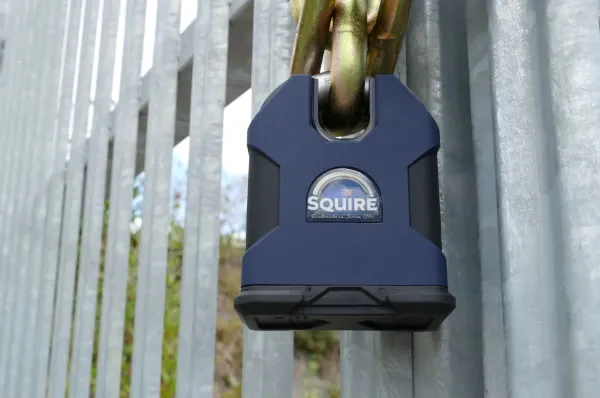
Selecting the correct type of padlock for security is essential. In our latest blog post we delve into the differences between open and closed shackle padlocks and provide a clear guide to help you make the right selection.
When choosing a high-security padlock, one of the most important design differences to understand is the shackle style. Open shackle and closed shackle padlocks are built for fundamentally different requirements and selecting the right one can significantly improve security, durability and usage convenience.
This guide explains the differences between open and closed shackle padlocks, the materials used in modern high-security shackles and which design is best suited to different environments.
What Is a Padlock Shackle?
A padlock shackle is the curved, u-shaped metal loop that passes through a hasp, chain, gate latch, or locking point to secure an item. It is the visible locking component that opens and closes when the padlock is unlocked.
Because the shackle is exposed, it is often the first point attackers target using:
- Bolt cutters
- Croppers
- Hacksaws
- Pry bars
- Angle grinders.
The strength and design of the shackle therefore play a major role in the overall security of the padlock.
A weak padlock body paired with a strong shackle still creates a vulnerable lock, but equally, a strong lock body with a poor-quality shackle can fail quickly during an attack. High-security padlocks are designed and engineered so both the body and shackle work together to resist physical attack.
Padlock Shackle Materials
High-security padlock shackles are typically manufactured from hardened steel alloys, specially designed to resist cutting, sawing, and impact attacks.
Common shackle materials include:
Hardened Boron Steel
Boron alloy steel is widely used in premium, high security padlocks because it combines exceptional hardness with toughness. This super tough metal presents excellent resistance against bolt cutters, angle grinders and saw attacks.
Hardened Steel
Traditional hardened steel remains common in many industrial and commercial padlocks. Heat treatment increases the metal’s surface hardness while maintaining structural strength.
Stainless Steel
Marine-grade stainless steel shackles are used where corrosion resistance is critical, such as coastal or outdoor environments. While some stainless steel shackles are slightly less cut-resistant than boron steel, they perform extremely well against attacks in situations where rust and weathering are a concern.
Molybdenum and Alloy Steels
Some specialist high-security padlocks use advanced alloy steels for enhanced durability and resistance to aggressive attack methods.
Many premium shackles also feature:
- Double locking mechanisms
- Anti-lever designs
- Protective coatings
- Ball-bearing locking systems.
These features make it harder to twist, pry, or shim the lock open.

What Are Open Shackle Padlocks?
An open shackle padlock features a fully exposed shackle that extends clearly above the body of the lock.
The classic padlock shape (often used as an icon to signify security) is the padlock style most people recognise. This is an open shackle design.
Key Characteristics of Open Shackle Padlocks
- Larger opening clearance
- Makes it easier to attach the padlock to a wide variety of locking points.
- Greater versatility
- Open shackle padlocks can be used in a wide variety of applications.
- Easier attachment to chains, gates, and larger fittings
- The open shackle makes it easier to attach the padlock to whatever is being secured.
- More exposed shackle area
- The open shackle design means there is more exposed shackle, which can be useful in many applications.
Open shackle padlocks are available in both standard and long-shackle versions.

Long Shackle Padlocks
Long-shackle padlocks feature extended, u-shaped shackles. The extended shackle provides additional reach and flexibility. These are useful when locking:
- Thick chains
- Multiple locking points
- Deep hasps
- Gates with awkward fittings
- Utility boxes, tool chests and storage units.
The extra clearance provided by the extended shackle makes installation easier, but the increased exposed shackle length can also present more leverage for attackers. As a result, long-shackle padlocks are generally considered less secure than equivalent short-shackle models.

What Are Closed Shackle Padlocks?
Closed shackle padlocks are designed so that most of the shackle is recessed or shielded within the lock body. This is the primary difference between open and closed shackle padlocks. Closed shackle padlocks only expose a small section of the padlock shackle.
By keeping the majority of the lock shackle hidden there is maximum protection against attacks using:
- Bolt cutters
- Croppers
- Pry tools
- Saws
- Angle grinders.
Closed shackle padlocks are commonly used in:
- Commercial security
- Industrial facilities
- Warehouses
- Shipping containers
- Gates and perimeter security
- High-value asset protection.
Closed shackle padlocks are primarily favoured for any high security application.
Open vs Closed Shackle Design
Open shackle padlocks prioritise flexibility and compatibility, while closed shackle padlocks prioritise attack resistance.
Closed shackle padlocks sacrifice some clearance and versatility in exchange for significantly improved protection against physical attack.

Pros and Cons of Open and Closed Shackle Padlocks
Open Shackle Padlocks
Advantages
- Versatile Fitment
- Open padlock shackles will fit a wider variety of chains, hasps and locking points.
- More Clearance
- The larger opening makes them easier to use in awkward or oversized applications.
- Long Shackle Options Available
- Useful when additional reach is required.
- Generally Lower Cost
- Many open shackle padlocks are more affordable than specialist closed shackle models.
Disadvantages
- Greater Exposure to Attack
- More exposed padlock shackle means easier access for cutting tools.
- More Vulnerable to Leverage Attacks
- Long shackles especially can be subjected to twisting or pry attacks.
- Reduced Physical Protection
- The open shackle is potentially vulnerable to striking attacks.
Closed Shackle Padlocks
Advantages
- Superior Cut Resistance
- Minimal exposed shackle reduces bolt cutter access.
- Stronger Physical Security
- Harder to attack with pry bars or saws.
- Ideal for High-Risk Environments
- Frequently used in commercial and industrial security settings.
- More Resistant to Opportunistic Theft
- Attackers often avoid padlocks with heavily protected shackles.
Disadvantages
- Reduced Clearance
- May not fit all chains, hasps or locking points.
- Less Flexible
- Compatibility must be carefully checked before purchase.
- Typically More Expensive
- Higher-security padlock engineering often increases cost.
High Security Open Shackle Padlocks
Several high quality padlock manufacturers produce exceptionally strong open shackle padlocks suitable for demanding applications.

Squire SS100S
The Squire SS100S is a great example of a premium open shackle padlock designed for high-security commercial and industrial use. This incredible padlock was the first to achieve the highest LPCB (Loss Prevention Certification Board) Level SR4 accreditation and CEN 6 approval.
Key features of this padlock include:
- Solid hardened steel body
- Boron alloy hardened shackle
- Exceptional resistance to bolt cutters
- High corrosion resistance
- High-security cylinder protection.
It provides strong protection while maintaining the versatility and usability of an open shackle design.
As noted, this Stronghold padlock is accredited to LPCB Level SR4 and achieved CEN6 security level approval. The padlock features a massive Boron Alloy Steel Shackle that’s 20mm (0.79 inch) in diameter for the highest level of strength and security. It features extra secure dual key operation with two 6-pin cylinders and the shackle completely detaches from the padlock body for easier padlock attachment.
Other high quality open shackle padlocks include:
High Security Closed Shackle Padlocks
As noted, for applications where maximum attack resistance is essential, closed shackle padlocks are generally considered the best option.

Squire SS100CS
The Squire SS100CS is the closed shackle counterpart to the SS100S and is engineered specifically to minimise shackle exposure.
The padlock design offers:
- Excellent resistance to bolt cutter attacks
- Hardened steel construction
- Extremely robust lock body
- Enhanced protection for gates and perimeter security.
The enclosed shackle design makes it especially suitable for high-risk outdoor environments.
Other notable high quality closed shackle padlocks include:

Which Should You Choose: Closed Shackle or Open Shackle?
When considering whether to go for an open or closed shackle padlock its important to think carefully about the application, usage environment and security priorities. It is vitally important to consider both the horizontal and vertical shackle clearance dimensions to make certain the padlock will work with whatever is being secured.
Choose an Open Shackle Padlock If:
- You need maximum flexibility
- Your chain, hasp or locking requires greater clearance
- You need a long-shackle design
- Convenience and compatibility are priorities
- The security risk is moderate rather than extreme.
If, for example, you need a padlock for one primary application, but expect the padlock to also be used elsewhere, then an open shackle padlock provides the greatest versatility.
Open shackle padlocks are ideal for:
- Securing gates
- Sheds
- Garages
- Barns
- Toolboxes
- Everyday commercial use.
Choose a Closed Shackle Padlock If:
- Security is the primary concern
- The lock will be exposed to attack
- You are protecting high-value assets
- The lock is installed in a vulnerable outdoor area
- Bolt cutter and angle grinder resistance is critical.
For very specific security applications where resistance to bolt croppers and angle grinders is essential, closed shackle padlocks are the best option. But care must be taken to ensure the padlock and shackle will work with the locking point.
Closed shackle padlocks are particularly effective for:
- Industrial gates
- Warehouses
- Shipping containers (container locks are specifically designed for this application.)
- Commercial compounds
- Motorbike security
- High-security perimeter fencing.
Always Select the Right Padlock for the Application
Both open and closed shackle padlocks have important advantages, and neither is universally “better” than the other.
Open shackle padlocks provide flexibility, clearance, and convenience, while closed shackle padlocks deliver enhanced resistance against physical attack.
For high-risk environments, closed shackle designs are often the preferred option because they significantly reduce shackle exposure. However, where compatibility and ease of use are more important, a high-quality open shackle padlock remains an excellent choice.
Ultimately, selecting the right padlock means balancing:
- Security requirements
- Fitment needs
- Environmental conditions
- Ease of operation
- Budget.
Choosing a high-quality hardened steel or boron alloy padlock from a reputable manufacturer will always provide better long-term protection, regardless of the shackle style selected.
We are always happy to provide advice and guidance regarding which type of padlock is right for your needs.
For more information on Closed Shackle vs Open Shackle Padlocks talk to Insight Security