 Get Listed


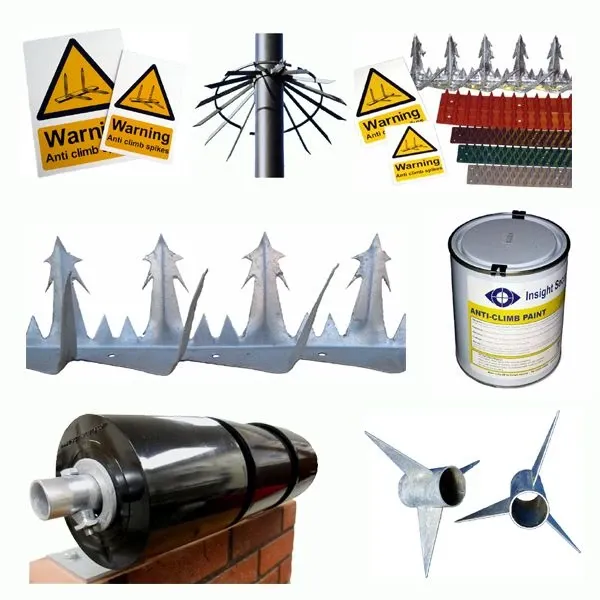
Here at Insight Security we’ve been providing effective anti climb solutions for many years. We routinely deal with a wide variety of customer requirements and answer many questions to help people figure out what they need for effective anti-climb protection and perimeter security for their homes and businesses. In our latest blog post we’ve compiled many of the most frequently asked questions.
General Anti Climb Queries
People often contact us for help with their home perimeter security and anti-climb protection. We are always happy to help them determine the most appropriate solution to their needs. Here are just some of the commonly asked questions we deal with.
What is the best anti climb solution for my home?
There isn’t a ‘one-size-fits-all’ anti climb system that’s right for every home. To determine the best and most appropriate anti climb solution for any residential property we need to answer a few important questions:
- Has there been an intruder or burglary problem at the home?
- Exactly where, around the property, is anti climb protection needed?
- Is there the possibility that children will come into contact with the anti climb system?
- Do any property boundaries adjoin public highways, footpaths or public spaces?
- Are there any specific structures such as poles, posts or flat rooftops, that require anti climb protection?
- How much anti climb barrier is needed?
Answering these questions (and more) will help determine the specific anti climb solution that will achieve what’s desired. For example, the anti climb protection needed to keep the neighbour’s cats out of a garden is much different to the protection needed to prevent burglars from accessing upper-storey windows.
Is anti-climb protection legal in residential areas?
In the UK anti climb protection in residential areas is entirely legal as long as you follow specific rules to avoid causing injury or nuisance to both lawful visitors and passers by. Primary requirements are the use of appropriate anti climb protection devices, ensuring these are installed at a safe height and prominently displaying clear warning signs.
Will anti climb devices potentially harm someone?
Some anti climb systems are designed to deter by presenting what appears to be a potentially harmful barrier. These are broadly referred to as aggressive anti climb barriers that include a variety of spike designs along with razor wire and barbed wire. But there are other forms of anti climb barrier that are entirely non-aggressive and don’t present the risk of causing injury. Property owners and occupiers have a duty of care to anyone who comes onto their property, including intruders and burglars. And they can potentially be held liable for injuries caused by dangerous anti climb devices.
Do I need warning signs?
Wherever anti climb protection is installed appropriate warning signs must be prominently displayed. These signs are a legal requirement that protects homeowners from liability for injuries or clothing damage. Warning signs should be located wherever anti climb protection is in place, spaced at around 2 - 3 metre intervals so that anyone approaching the barrier can clearly see them.
Which areas of my home will benefit from anti climb protection?
The specific areas around any home that generally benefit from anti climb protection are primarily those that potentially provide access points to upper level windows or are vulnerable to intrusion. They generally include:
- Fencing and boundary walls
- Drainpipes and external structures
- Flat roofs and balconies
- Garage and outbuilding roofs
- Poles and posts
What types of anti climb protection are most effective?
There are many forms of anti climb protection from incredibly aggressive razor wire to harmless anti climb paint. The most effective anti climb solution for any home generally combines both a robust physical barrier along with a strong visual deterrent.
- Roller Barrier (Non-Aggressive): This rotating barrier system is widely used around schools, hospitals and homes where there is the potential for contact with children. Freely rotating polycarbonate cups, mounted on a robust axle, present an unstable barrier that can’t be gripped by hand.
- Rotating Metal Spikes (Aggressive): Rotaspike is a good example of an aggressive rotating spiked barrier that employs both instability and nasty-looking metal spikes to deter and prevent intruders.
- Barbed Wire & Razor Wire: These anti climb materials are highly aggressive and present a very strong visual deterrent. They are typically used as toppings to walls and fences in high-security, non-domestic applications such as military sites and some commercial locations. This form of anti climb protection must always be installed above a height of 2.4 metres.
- Anti-Climb Spikes: Anti climb spikes are often used as a wall or fence topper to deter and prevent intruders. They range from plastic spikes to more aggressive metal spikes, typically used in higher security applications.
- Anti-Climb Paint: This is a specially formulated, non-drying, greasy paint that remains very slippery after application. When applied to walls or poles it makes these surfaces impossible to grip. It must never be used below a height of 2 metres and wherever it is applied, warning signs must be displayed.
Can anti climb protection be installed on existing walls and fences?
Yes, anti climb protection systems are typically installed onto existing walls, fences, rooftops and poles. The specific form of anti climb protection that’s most appropriate is often informed by the installation location. For example, anti climb paint would not be appropriate for a fence, but would potentially be beneficial on a high wall.
How long does anti climb protection last?
Many top quality anti climb solutions are designed to last. Roller Barrier, for example, has been successfully providing reliable anti climb protection on many sites, with no need for maintenance, for over 20 years. Anti climb paint, however, generally needs to be re-applied every 2 to 3 years and should be inspected at least every year.
Is anti climb protection safe for pets and wildlife?
The very aggressive forms of anti climb protection such as barbed wire, razor wire and some forms of metal spikes, do present the potential to cause injury. Plastic spike systems are designed to cause discomfort and don’t present the risk of injury. Anti climb paint should not be used anywhere that animals might come into contact with it as it is toxic.
Does anti climb protection deter and prevent burglars and intruders?
Yes, anti climb protection does prevent intruders and burglars by presenting a strong visual deterrent as well as a formidable physical barrier. Convicted house-breakers have disclosed that they would always avoid properties that were clearly well secured and they would move on to seek easier targets.
How much does anti climb protection cost?
The cost of a domestic anti climb protection installation varies depending on the chosen solution and the amount needed. Some homes require minimal protection, perhaps along just one short length of boundary fence or wall. While others require extensive protection around an entire perimeter along with flat rooftops, drainpipes and pole protection.
Can I install anti climb protection myself?
Most anti climb security solutions can be installed by a competent person with DIY skills. But in some circumstances, such as the need for high security fencing, professional installers can be beneficial.
Will anti climb protection affect the appearance of my home?
Some forms of anti climb protection are highly visible as the visual deterrent is a key factor in the protection provided. But some forms of effective anti climb protection have a very low visual impact. Roller Barrier, for example, is available in a variety of colours that can be chosen to blend with a properties aesthetics. The non-aggressive rotating barrier is specifically designed not to look aggressive or threatening which is why its favoured around psychiatric treatment facilities and schools.
Can I use an anti-climb barrier on my front wall?
In the UK the maximum height of a front wall is limited to just 1 metre, if the wall is on a road or footpath, and no higher than 2 metres elsewhere. While you can install anti climb protection on a front wall it must not present the possibility of causing harm or damage. This generally means the anti climb wall topper must be above a height of 2 metres, to avoid potential contact with passers by. It is generally recommended that local planning authorities are consulted before installing anti climb protection on a front boundary wall if it adjoins a road or public area.
Will anti climb protection affect my home insurance?
The installation of anti climb protection can potentially affect home insurance and its always worthwhile consulting with your home insurance provider. Bolstering property security can potentially result in lower insurance premiums as the improvement reduces risk. But the introduction of anti climb security measures can also have an impact on liability risk so it must always be ensured that anti climb security measures are correctly installed with clear warning signage.
Can I use spiky plants to keep people out?
Using spiky plants to bolster perimeter security is a very good idea. A variety of plants can be used to create highly effective security hedges around a property. Some of the best spiky plants for security include:
- Pyracantha (Firethorn): An evergreen shrub with sharp, needle-like thorns that thrives in a variety of conditions and is a very popular choice for security hedging.
- Berberis: Also known as Barberry, this is a fast-growing shrub with sharp thorns that create dense, impenetrable barriers, making it ideal for boundaries and garden edges.
- Holly: A classic and effective option that provides all-year-round protection with its spiky, evergreen leaves. It creates a visually appealing and sturdy deterrent.
- Hawthorn: A native, fast-growing, and thorny deciduous tree that makes an excellent, impenetrable barrier, often used for security hedging.
- Blackthorn: A native thorny shrub that grows into a very tough, dense barrier. It is often used for farm hedging and is known for its long, sharp thorns.
- Roses: Many varieties, especially vigorous shrub or climbing types, have sharp thorns that can effectively deter intruders, particularly when trained along fences or walls.
Questions About Anti-Climb Spikes
The use of anti climb spikes for property security and intruder deterrence prompts many common queries. Here are some of the most frequently asked questions.

Are anti-climb spikes legal in the UK?
Anti climb spikes are perfectly legal in the UK as long as they are installed with prominent warning signs and don’t cause danger or nuisance to anybody. Anti climb spikes are generally not installed below a height of 2 metres and its often a good idea to consult with local planning departments before installation on boundaries that adjoin roads or public spaces.
What rules do I need to follow to stay legal when installing anti climb spikes?
People often need to know whether they need planning permission before installing anti climb spikes. Planning permission may be needed if the installation makes the boundary wall or fence higher than 2 metres or if the property is in a conservation area. It is always worthwhile consulting with a local planning department before commencing the installation.
Another important rule is the need for prominently displayed warning signage. These signs should be located where the spikes are installed and spaced at intervals of no more than 3 metres If the spikes are to be installed on a shared boundary the installation should be discussed and agreed with the neighbour.
Do I need to display warning signs if I install spikes?
Yes. As noted, wherever anti climb spikes are installed appropriate warning signage must be prominently and clearly presented.
Will I be held liable if someone, even a trespasser, gets hurt on my spikes?
Home owners and occupiers have a duty of care toward anyone coming onto their property, including intruders and trespassers. They can potentially be held financially liable for injuries and damage caused by their anti climb spikes. To minimise the risk of liability, alternative, non-aggressive anti climb solutions may be a better option. And wherever anti climb spikes are used it must be ensured that warning signage is clear and prominent.
What types of spikes are acceptable and recommended for domestic properties?
There are a wide variety of anti climb spike systems available today. These vary from highly aggressive metal spikes that can potential cause injury, if someone was to fall on them, to far less aggressive plastic spike strips that don’t present much risk of injury. Some plastic anti climb spikes are cleverly designed to look very metallic and aggressive but in fact don’t present a serious risk of injury.
When selecting anti climb spikes its important to consider exactly who or what will come into contact with them. Plastic spike strips, for example, can be effective in harmlessly deterring unwanted cats and other animals from entering a garden.
Where can I legally install anti climb spikes?
In the UK, anti climb spikes can be installed as fence toppers, wall toppers or wherever there is a need to deter and prevent unwanted intruders. As previously noted, its important to comply with rules regarding the maximum height of boundary walls and fences. It is also important to consult with neighbours before installing on shared boundaries.
While there is no universal UK law stating the minimum height allowed for the installation of anti climb spikes the generally accepted guideline is from 2 to 2.2 metres. It is always worth contacting local planning departments to let them know what’s intended and asking if the proposed installation is acceptable.
Could I use a different, less-aggressive anti-climb method instead of spikes?
Yes. Most people are aware of anti climb spikes, widely used to prevent unwanted intruders, but they are far less aware of totally safe, highly effective, non-aggressive anti climb solutions such as Roller Barrier. It is always worthwhile considering exactly what the anti climb protection is intended to achieve and determining whether a non-aggressive solution, that presents zero risk of causing injury or damage, is a better option.
Can I put spikes up anywhere in my garden?
Homeowners can install anti climb spikes in and around their gardens but before installing them on a shared boundary wall it is important to discuss this with the neighbours. Shared boundaries are generally covered by common law and homeowners need to ensure installation doesn’t present a danger or nuisance to anybody. As noted, spikes should not be installed below a hight of 2 metres and must be clearly visible.
What if someone hurts themselves on my spiked fence?
If someone hurts themselves or possibly damages their clothing on your anti climb spikes you could face a claim for damages under the Occupiers Liability Act. This applies to everyone coming onto the property including trespassers and burglars. This is why it is absolutely essential to make certain anti climb spike installations fully comply with all requirements and highly visible warning signage is clearly presented.
Questions About Anti-Climb Rollers
Anti climb rollers are less well known and understood than anti climb spikes. Our Roller Barrier system is recognised as the best non-aggressive anti climb barrier available today but many people are unaware of how effective it is. Here are some of the questions we are often asked.

What is an anti-climb roller system and how does it work?
Anti climb roller systems effectively present an unstable barrier that’s impossible to overcome. Roller Barrier is a totally non-aggressive anti climb roller system that uses carefully designed rotating polycarbonate cups, mounted on a central shaft, that are too large to be gripped by hand.

Rotaspike is another rotating anti climb barrier but instead of rotating cups the system uses rotating spiked collars that look very aggressive and therefore act as a strong visual deterrent.
How is a roller system different from spikes or barbed wire?
Our Roller Barrier system is totally harmless, with no sharp edges, unlike spikes or barbed wire. This means there is absolutely no risk of the barrier causing harm or damage.
Are roller systems legal in the UK and do I need planning permission?
Roller systems for anti climb protection are entirely legal in the UK and widely used in many domestic and non-domestic applications. As for any system that can increase the height of boundary walls and fences, there can be a need for planning permission if the height is being increased above 2 metres. It is always worth checking with local planning departments before embarking on an installation.
Do I need to display warning signs when I install a roller barrier?
Yes. Although Roller Barrier is non aggressive and doesn’t present a risk of injury, in order to comply with the Occupiers Liability Act, warning signage, telling people that Roller Barrier is in place, should be clearly displayed.
Where can I install Roller Barrier?
Roller Barrier is highly versatile and can be installed almost anywhere that needs anti climb protection. The system has been successfully installed as a fence topper and wall topper in many locations. It is also widely used to protect flat rooftops from unwanted climbers. And Roller Barrier is also used to prevent people from climbing onto structures, such as fan and equipment housings, that might otherwise be damaged.
Is Roller Barrier safe for children, pets and public areas?
Roller Barrier is very safe for any situation where it might come into contact with children, pets or vulnerable people. This is why it has become the anti climb system of choice for UK schools as well as being widely used by the railway network to safely prevent climbing over fencing.
What maintenance does Roller Barrier require and how long will it last?
There are now many installations of Roller Barrier that have been continuously providing reliable anti climb protection for over 20 years. The system components are designed and manufactured to last without any need for maintenance.
Can I install a Roller Barrier system myself or do I need a professional?
Many domestic Roller Barrier installations can be successfully carried out by a competent person with basic DIY skills. But working at height requires care and in some situations professional, experienced installers are the best option.
Will a Roller Barrier system affect the appearance of my property (or its resale value)?
Roller Barrier is totally unobtrusive and the rotating cups are available in a wide range of colours that can be chosen to blend with a properties appearance. When it comes to reselling a home the Roller Barrier system is recognised as a significant security enhancement.
Will Roller Barrier reduce my liability if someone tries to climb and gets hurt?
The Roller Barrier system is specifically designed to be non-aggressive and non-injurious. This means there is far less risk of legal claims from intruders who are not likely to experience injury due to Roller Barrier. As long as the installation is carried out correctly and appropriate warning signage is displayed there is minimal chance of causing injury or damage that would result in a liability claim.
Questions About Anti-Climb Paint
Anti climb paint, otherwise know as anti intruder paint, is a highly effective anti climb barrier that can provide a very cost effective security enhancement. Here are some of the questions we routinely answer.

What is anti-climb paint and how does it work?
Anti climb paint is a thick, slippery non-setting coating that makes any surface impossible to climb. Its applied to walls, poles and other surfaces including brick, concrete, wood and other materials. It needs to be applied above a height of at least 2 metres and warning signage must always to be displayed. The presence of anti climb paint deters intruders and if they attempt to climb, the substance marks both their clothing and their hands.
What are other names for anti-climb paint?
Anti climb paint is also known as:
- Security paint
- Anti vandal paint
- Anti intruder paint
- Non drying paint
- Anti scale paint
- Vandal grease
- Anti burglar paint.
Does anti vandal paint come off clothing?
Anti climb paint can mark and stain clothing. But it can often be successfully removed by using a solvent as the paint is formulated from petroleum gel. It is designed to purposely stick to clothing in order to identify a person who has attempted to climb a structure protected with the material.
When applying anti climb paint it is always a good idea to wear appropriate protective clothing along with gloves.
Is anti-climb paint legal in the UK?
Yes, anti climb paint is legal in the UK. But it must be used in accordance with defined rules which state that it mustn’t be below a height (2 metres) that would risk the paint being accidentally transferred onto a passer by. And wherever it is used, appropriate warning signage must be displayed.
Do I need to display warning signs?
Wherever anti climb paint is deployed suitable warning signs must be prominently displayed. These must be spaced at intervals of no more than 3 metres and be clearly visible to anyone approaching the protected structure.
Where can I use anti-climb paint?
Anti climb paint is typically used on walls, poles, posts and window ledges that might otherwise attract the attention of unwanted climbers. Some properties, such as churches, paint their drainpipes with anti climb paint (above a height of 2 metres) to protect their rooftops from thieves.
At what height can I legally apply it?
In the UK, anti climb paint should not be applied below a height of 2 metres. There is a basic requirement not to present the risk of accidental transfer onto passers by.
Is anti-climb paint safe for pets, wildlife and children?
Anti climb paint is a non-setting paint which can potentially get onto the coats of animals if they come into contact with it. When cleaning themselves they would ingest the paint which could be very harmful.
How long does anti-climb paint last before it needs reapplying?
Anti climb paint does require routine inspection and maintenance. Typically, the material needs to be refreshed every 2 to 3 years.
Will anti-climb paint damage surfaces?
Anti climb paint does not damage the surface on which it is applied and doesn’t result in permanent staining. The material can be removed by scraping and using appropriate solvents such as white spirit.
Can I install it myself, or do I need a professional?
Anti climb paint can be applied by anyone. But it must be applied above a height of 2 metres which means working from a ladder or scaffold so caution is very important.
Does anti-climb paint work in all weather conditions?
Anti climb paint is formulated to withstand rain, frost and heat so it remains effective all year round. The material can withstand temperatures up to 35 degrees celsius and as low as -15 degrees.
Will it affect the look of my property?
Anti climb paint does affect the appearance of whatever surface its applied to. Its non-drying nature means it looks like a glossy paint finish.
Can it reduce my home insurance premiums?
Improving home security can potentially reduce home insurance premiums but this is not always the case. It is generally worthwhile consulting with an insurance provider to determine the various home security enhancements that can beneficially reduce insurance costs.
Questions About Anti Climb Protection for Pipes and Poles
Drainpipes, poles and posts are all vulnerable to unwanted climbers and potentially being used as effective ladders to reach upper storey windows. Here are some of the questions we regularly answer regarding how to secure pipes, poles and posts.

Why do pipes and poles need anti-climb protection?
Downpipes, drainpipes and poles can sometimes be used by intruders to gain access to upper storey windows. Anti climb protection around these structures helps ensure they are never used as effective ladders.
What types of anti-climb devices are available for pipes and poles?
Anti climb paint is commonly used to protect pipes and poles from unwanted climbers. This material is painted on, above a height of 2 metres, to make the pipe or pole too slippery to climb.
Wrap-around drainpipe covers are another commonly used anti climb protection barrier. These covers fully enclose drainpipes, protecting them from unwanted climbers. The covers also provide additional drainpipe protection in locations where they might otherwise be damaged by vehicles.
Anti climb collars are another commonly used pole, post and drainpipe anti climb barrier. These are available in a variety of designs that simply wrap around the pipe or post making it impossible for anyone to climb up.
Do I need to put up warning signs?
As for all anti climb measures, it is important to display appropriate warning signage. This serves to deter any would-be intruders and importantly provides protection for the homeowner if a trespasser makes a claim after injuring themselves or damaging their clothing when trying to gain entry.

Can these be installed on downpipes and drainpipes at home?
Domestic installation of anti climb protection around drainpipes, poles and posts is very common. Homeowners and occupiers value the peace of mind provided by rigorously protecting their premises from unwanted intruders.
Will anti-climb devices damage my pipes?
No. Drainpipe covers and anti climb collars are generally attached to the wall. And anti climb collars for poles and posts simply clamp on and don’t involve any drilling.
pe and pole protection can potentially be installed by a competent person with basic DIY skills. But there is generally a need to safely work at height so appropriate precautions must be taken.
Will anti-climb paint work on pipes?
Yes. Anti climb paint will work on pipework, even very smooth pipe surfaces. The consistency of anti climb paint means it stays wherever its applied making it very suitable for drainpipe and pole protection.
Can anti-climb collars be fitted to any pipe or pole size?
Anti climb collars for poles, posts and pipes are available in a variety of designs and sizes to suit all manner of pipework and posts.
Do anti-climb pipe protectors require maintenance?
Anti climb pipe and post protectors generally don’t require any maintenance. All that’s required is a routine check to make certain the anti climb protection is still in place and is undamaged.
If you have any questions about anti-climb protection and perimeter security, or if you have any special requirements, remember we are here to help. Give us a call on 01273 092921 and we’ll provide you with free, expert advice.
For more information on Anti-Climb Barriers for the Home - Your Questions Answered talk to Insight Security