 Get Listed


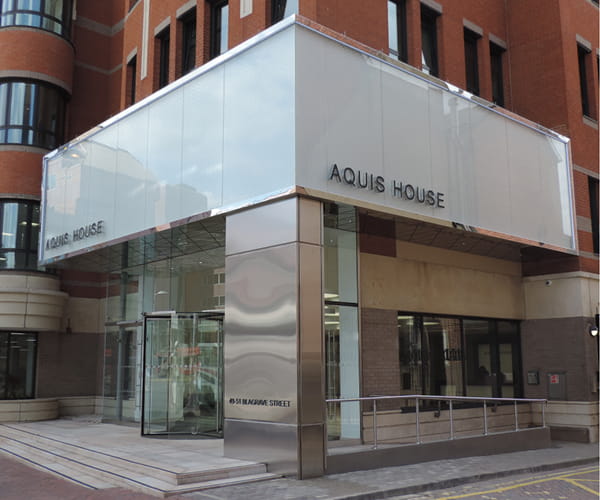
Metal is one of the oldest materials in design. It has been used in architecture for thousands of years and, unlike many other materials, it has never gone out of style.
From the bronze gates of ancient temples to laser-cut brass screens in a contemporary hotel lobby, metal does more than hold a building together. It communicates. It suggests permanence, authority, precision and craft.
To understand why metal matters in architecture, you have to follow a story that stretches back millennia — and one that is still evolving today.
Metal has always carried meaning
Metalworking began around 8,000 BCE, when early civilisations first shaped copper and gold into tools and decorative objects. By the Bronze Age, around 3,300 BCE, the development of alloys made more complex and ornamental work possible. Architecture quickly became one of the main beneficiaries.
In ancient Egypt, gold was associated with the divine and used in temple decoration to signal closeness to the gods. In Greece and Rome, bronze statues filled public squares and temple courtyards, reinforcing civic power through scale and permanence. In China’s Shang Dynasty, bronze casting reached remarkable levels of refinement, producing ritual vessels whose complexity still commands attention.
Metal was never purely functional. From the outset, it carried cultural and symbolic weight.
During the medieval period, the Christian church became one of the most significant patrons of metalwork. Bronze bells, iron gates and candleholders were created with the same seriousness as stained glass or illuminated manuscripts. In a Gothic cathedral, metalwork was part of the experience, not an afterthought.
The Industrial Revolution changed everything
The Industrial Revolution reshaped the role of metal in architecture. Cast iron and, later, structural steel made it possible to build taller, span further and create more open interior spaces than ever before.
The change wasn’t only structural. Stamped sheet metal began to replace carved stone for cornices, façade details and interior ceiling panels. Metal became more widely available and appeared in more buildings for more clients.
Art Deco celebrated this shift. The gleaming steel and chrome of 1930s skyscrapers were deliberate statements of modernity and ambition. The material itself became part of the message.
Metal as cultural identity
The choice to use metal — particularly in refined or labour-intensive forms — has long signalled significance. Gates, doors, staircases and ceremonial thresholds are so often made in metal because they represent moments of entry, transition and encounter. Metal marks them as important.
In New Orleans, wrought ironwork developed during the colonial period through intersecting cultural influences. Blacksmiths incorporated symbolism drawn from West African traditions into railings and gates, creating metalwork that was both structurally strong and culturally layered. After the Great Fire of 1788, wrought iron became a defining feature of the rebuilt city, turning a practical response into a lasting identity.
Across the world, regional traditions evolved independently. Southern colonial America often favoured decorative ironwork influenced by diverse cultural sources, while northern colonies leaned more towards robust practicality. Japan and China developed distinct bronze and iron casting languages of their own.
These traditions help explain why well-made bespoke metalwork can anchor a building in its cultural context in ways that off-the-shelf components cannot.
What each metal communicates
Every metal has its own character, and understanding that is essential when specifying materials.
Bronze suggests classical authority and warmth. It develops a patina that many designers read as authenticity, making it well suited to civic, institutional and high-end residential settings where longevity and gravitas matter.
Brass has returned strongly to contemporary palettes, particularly in luxury hospitality. Brushed brass and warm gold tones add richness and intimacy, pairing well with stone and dark timber.
Matte black stainless steel is closely associated with contemporary minimalism. It feels precise and controlled, working particularly well with concrete, glass and pared-back interiors.
Copper has a more organic quality. It weathers visibly, shifting from warm orange to verdigris over time. When architects choose copper, they are often making a statement about time, honesty in materials and the beauty of change.
Finish matters as much as the metal itself. A mirror-polished surface and a brushed surface can read almost like different materials in the way they reflect light and show wear. Choices such as patination, powder coating, anodising or leaving metal raw are design decisions with real impact.
In contemporary luxury hospitality and high-end residential projects, bespoke metalwork has become a key tool for creating identity. A laser-cut brass screen in a private dining room or a hand-forged steel staircase at a penthouse entrance gives a space a presence that feels specific, considered and impossible to replicate.
Where technology meets craft
The last decade has brought major advances in metal fabrication. Laser cutting enables intricate, repeatable patterns with tight tolerances. CNC machining allows complex three-dimensional forms to be produced with engineering precision. 3D metal printing is beginning to shorten lead times for highly customised components.
These tools haven’t replaced craft — they’ve expanded what craft can do.
The best studios use technology to realise designs that would have been impossible to fabricate by hand alone, while retaining the maker’s judgement on proportion, material behaviour and finish quality. Machines can cut, but they can’t decide what looks right.
Sustainability is also shaping the industry. Metals are, in principle, infinitely recyclable without losing structural integrity. Recycled steel, reclaimed bronze and low-waste fabrication processes are increasingly expected rather than niche. The longevity of well-made metalwork, measured in decades or generations, is itself a powerful form of sustainability.
Commissioning bespoke metalwork: what to consider
For architects and clients commissioning bespoke metalwork, a few practical factors influence outcome and value.
Clarify the intent early. Is the metalwork structural, decorative, or both? That shapes which specialists are needed and when.
Consider the environment. Coastal exposure, heavy foot traffic and high-humidity interiors all place different demands on material and finish. Getting this wrong can be costly to correct.
Choose finishes with purpose. Finish affects maintenance, longevity and what the piece communicates. Involving a fabricator early helps ensure the finish is realistic and appropriate.
Engage specialists early. Custom metalwork takes time for design development, prototyping and fabrication. Bringing a specialist in at concept stage produces better results than involving them late.
Understand the value. Bespoke metalwork costs more because it demands skilled design, deep material knowledge and fabrication time. The return is a piece that can’t be bought off the shelf, ages with distinction and gives a space a character standard components rarely achieve.
Metal that lasts
Metal has carried meaning in architecture for as long as people have built with intention. It has defined sacred spaces, expressed civic ambition, shaped cultural identity and pushed the boundaries of structural engineering.
That story isn’t finished. It’s continuing.
Contemporary architecture is rediscovering what ancient builders understood instinctively: material choice is also a choice about meaning. Bespoke metalwork made with genuine craft and material intelligence doesn’t simply decorate a building — it gives it a voice.
For architects, artists and clients who want their projects to speak with authority and endurance, metal remains an unmatched medium.
Frequently asked questions
What is the difference between structural and decorative metalwork?
Structural metalwork carries load or provides stability, such as beams, columns and balustrades. Decorative metalwork is primarily visual, such as feature screens, panels and ornamental gates. Many of the best bespoke pieces combine both roles.
How do different metals age, and is patina a problem?
Metals age differently depending on composition and environment. Bronze and copper develop patina, which many designers see as a positive, adding character over time. Stainless steel resists patina, while mild steel will rust if left unprotected. Whether ageing is desirable depends on the design intent and chosen finish.
Why does bespoke metalwork cost more than standard options?
Bespoke work involves design development, prototyping, skilled fabrication and specialist installation. Each piece is made for a specific project, with particular dimensions and finishes. The cost reflects expertise, time and the creation of something not available off the shelf.
How sustainable is metalwork as a design choice?
Metal is one of the more sustainable material choices. Steel and aluminium are highly recyclable, and quality metalwork can last for decades, reducing replacement over the lifecycle of a building. Many fabricators now work with recycled materials and low-waste processes.
When should I involve a metalwork specialist?
As early as possible, ideally at concept stage. Bespoke metalwork needs time for design, prototyping and fabrication, and early involvement helps align materials, finishes and programme requirements.
For more information on The Cultural Significance of Metalwork in Architecture talk to High Grade Metal Polishers Ltd