 Get Listed

The Ultimate Guide to Industrial Vacuum Cleaners: How to Choose the Perfect Vacuum for Your Industry
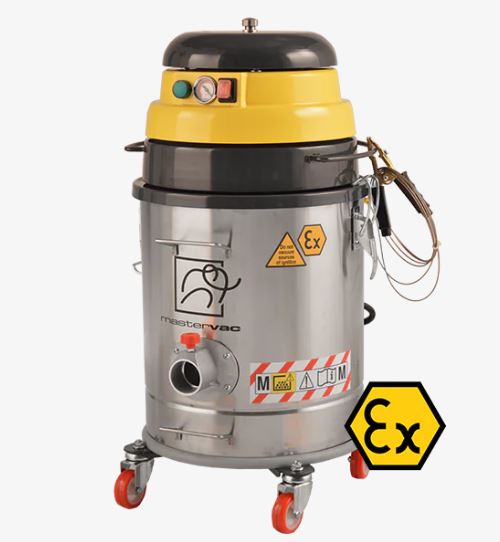
Industrial vacuum cleaners are essential tools across various industries, from manufacturing plants to woodworking shops. These powerful machines efficiently remove dust, debris, liquids, and hazardous materials, ensuring a clean and safe working environment. Choosing the right industrial vacuum cleaner depends on your specific needs, industry requirements, and safety regulations. This guide will help you navigate the options available and select the best vacuum for your business.
Understanding Industrial Vacuum Cleaners
Unlike household vacuums, industrial vacuum cleaners are designed for heavy-duty applications. They handle large volumes of debris, operate for extended periods, and can manage both dry and wet materials. Depending on your industry, you may need a vacuum designed for liquids, fine dust, or even explosive materials.
Key Features to Consider When Choosing an Industrial Vacuum Cleaner
1. Type of Material to Be Collected
Different industries generate different types of waste. Understanding what you need to clean up is the first step in choosing the right vacuum:
- Dust and Fine Particles – Industries such as cement, pharmaceuticals, and woodworking produce fine dust that requires high-filtration vacuums to prevent airborne contamination.
- Oil and Chips – Metalworking and machining industries require industrial vacuums for oil and chips to remove metal shavings and coolant efficiently.
- Wet and Dry Waste – Some environments, like food processing or automotive sectors, require wet and dry vacuum cleaners to handle spills and dry debris simultaneously.
- Heavy Industrial Waste – Large-scale manufacturing may require high-capacity vacuum cleaners that can handle dense or bulky materials.
2. ATEX-Certified Vacuums for Hazardous Environments
For industries dealing with flammable dust, gases, or explosive materials, ATEX-certified vacuum cleaners are a must. These vacuums are designed to prevent ignition sources, reducing the risk of explosions in high-risk environments such as chemical plants, grain storage, and certain metalworking applications.
3. Filtration System
Proper filtration is crucial for air quality and worker safety. Consider these filtration options:
- HEPA Filters – Ideal for environments requiring high levels of dust control, such as pharmaceutical and electronics industries.
- Cyclonic Filtration – Suitable for handling large volumes of dust and particles, common in woodworking and cement industries.
- Wet and Oil Filtration – Essential for industries dealing with industrial vacuums for liquids, preventing damage to vacuum motors and ensuring safe disposal.
4. Capacity and Suction Power
The size and power of an industrial vacuum cleaner should match your operational needs:
- Small-to-Medium Capacity (20-50 litres) – Suitable for workshops and small manufacturing units.
- Large-Capacity Vacuums (100+ litres) – Necessary for heavy industrial machines that generate a significant amount of waste.
- High Suction Power – Required for industries dealing with dense materials like cement or large metal shavings.
5. Mobility and Ease of Use
If your facility requires frequent cleaning across different areas, opt for a vacuum with mobility features such as:
- Wheels and Handles – For easy transport in warehouses and factories.
- Hose Length and Attachments – To reach tight spaces in machinery or high areas.
- Automated Systems – Some advanced models come with self-cleaning filters and programmable operation for efficiency.
Choosing the Right Industrial Vacuum for Your Industry
Woodworking Industry
For collecting sawdust, wood chips, and fine particles, a high-filtration vacuum with a cyclone separator is recommended to prevent clogging.
Cement and Construction Industry
Heavy-duty vacuums with strong suction and HEPA filters help manage fine cement dust and large debris.
Metalworking and Engineering
Industrial vacuums for oil and chips are essential for handling metal shavings, cutting fluids, and lubricants safely.
Pharmaceutical and Food Industry
HEPA-filtered vacuums ensure contamination control and comply with hygiene regulations.
Automotive and Heavy Manufacturing
Wet and dry vacuum cleaners help clean oil spills, dust, and metal debris effectively.
Final Thoughts
Selecting the perfect industrial vacuum cleaner depends on your industry’s specific needs. Whether you require an ATEX-certified vacuum for hazardous environments, a heavy-duty machine for cement and metal industries, or an efficient wet and dry vacuum, investing in the right equipment will improve workplace safety and efficiency.
If you’re looking for expert guidance, many manufacturers offer consultations to help you find the best industrial vacuum cleaner for your business. Take the time to assess your requirements, and you’ll ensure a cleaner, safer, and more productive work environment.
For more information on The Ultimate Guide to Industrial Vacuum Cleaners: How to Choose the Perfect Vacuum for Your Industry talk to Forvac Industrial