 Get Listed

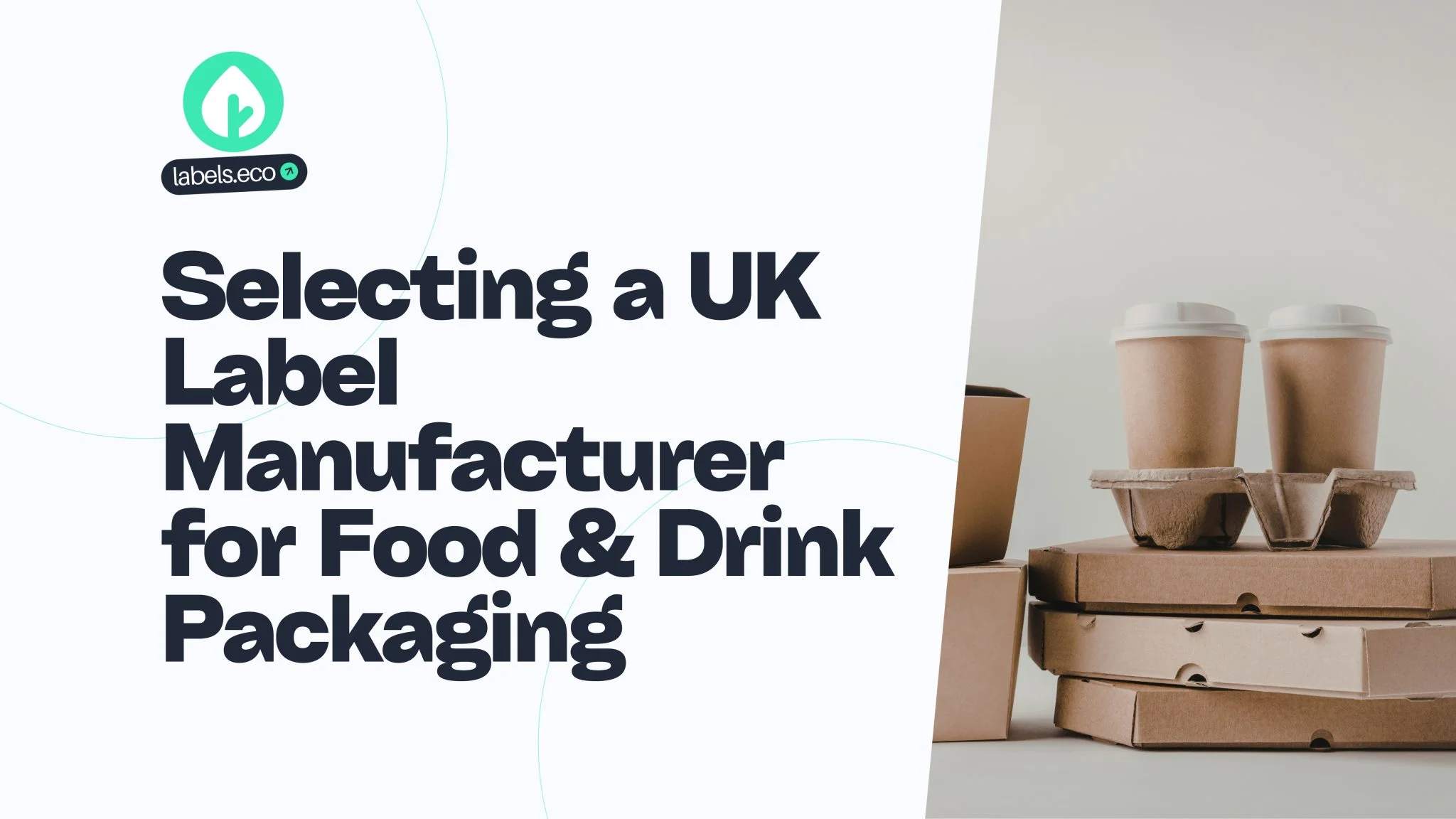
Label design plays a pivotal role in the food and drink industry, serving as the first point of contact between a product and its potential consumer. A well-crafted label not only conveys essential information about the product but also communicates the brand’s identity and values. In a market saturated with choices, an eye-catching label can significantly influence purchasing decisions.
For instance, a vibrant, visually appealing label can attract attention on supermarket shelves, while a poorly designed one may lead to a missed opportunity, regardless of the product’s quality. Moreover, labels serve a functional purpose beyond aesthetics. They provide crucial information such as ingredients, nutritional values, and allergen warnings, which are vital for consumer safety and informed decision-making.
In the UK, where consumers are increasingly health-conscious and environmentally aware, labels must effectively communicate these aspects to build trust and loyalty. The design must balance creativity with clarity, ensuring that all necessary information is easily readable while still being visually engaging. This dual function of labels—acting as both a marketing tool and a source of information—highlights their importance in the competitive landscape of food and drink packaging.
Summary
Effective label design is crucial for attracting consumers and conveying product information clearly.
Researching reputable UK label manufacturers ensures access to quality and reliable services.
Labels must be durable to withstand handling, storage, and environmental factors without degrading.
Considering eco-friendly materials and processes helps reduce the environmental footprint of packaging.
Compliance with UK food packaging regulations is essential to avoid legal issues and ensure consumer safety.
Researching UK Label Manufacturers
When embarking on the journey to create effective labels for food and drink products, selecting the right manufacturer is crucial. The UK boasts a diverse array of label manufacturers, each offering unique capabilities and specialisations. Conducting thorough research is essential to identify manufacturers that align with specific needs, such as production volume, label type, and design complexity.
Online directories, industry trade shows, and networking within industry circles can provide valuable insights into reputable manufacturers. In addition to general research, it is beneficial to delve into case studies or testimonials from previous clients. This can offer a glimpse into the manufacturer’s reliability, quality of work, and customer service.
For example, a manufacturer that has successfully collaborated with well-known brands may demonstrate their ability to meet high standards and tight deadlines. Furthermore, engaging directly with potential manufacturers through consultations can help clarify their processes, capabilities, and any additional services they may offer, such as design assistance or logistics support.
Assessing the Quality and Durability of Labels
The quality and durability of labels are paramount considerations in food and drink packaging. Labels must withstand various environmental factors such as moisture, temperature fluctuations, and exposure to sunlight without fading or peeling. For instance, products that are refrigerated or frozen require labels that can endure condensation without losing adhesion or legibility.
Therefore, assessing the materials used in label production is critical; high-quality adhesives and substrates can significantly enhance durability. Additionally, the printing technology employed by manufacturers plays a vital role in the final product’s quality. Digital printing offers flexibility and precision, allowing for intricate designs and vibrant colours that can elevate a brand’s image.
Conversely, traditional printing methods may be more cost-effective for larger runs but could compromise on detail. It is advisable to request samples from manufacturers to evaluate the tactile feel and visual appeal of their labels under various conditions. This hands-on assessment can provide invaluable insights into how well the labels will perform in real-world scenarios.
Considering the Environmental Impact of Labels
In recent years, there has been a growing emphasis on sustainability within the food and drink sector, prompting brands to consider the environmental impact of their packaging choices, including labels. Consumers are increasingly favouring products that demonstrate eco-friendliness, which extends to packaging materials. As such, manufacturers are now offering labels made from recycled or biodegradable materials that align with these consumer preferences.
Moreover, the production processes used in creating labels can also have significant environmental implications. It is essential to inquire about the manufacturer’s commitment to sustainable practices, such as using eco-friendly inks or reducing waste during production. Brands that prioritise sustainability not only contribute positively to the environment but also enhance their reputation among consumers who value corporate responsibility.
By choosing environmentally friendly labels, companies can differentiate themselves in a crowded market while appealing to a conscientious consumer base.
Reviewing the Range of Label Materials and Finishes
Criteria Importance Typical Metrics Considerations
Material Quality High Durability, Food Safety Certification, Resistance to Moisture and Oils Ensure compliance with UK food safety standards and suitability for product type
Printing Technology High Print Resolution (DPI), Colour Accuracy, Print Speed Supports brand identity and readability; consider digital vs. flexographic printing
Lead Time Medium Average Production Time (days), Rush Order Availability Align with product launch schedules and supply chain demands
Minimum Order Quantity (MOQ) Medium Units per Order Match with budget and inventory requirements
Cost Efficiency High Cost per Label, Bulk Discounts Balance quality with budget constraints
Environmental Compliance High Use of Recyclable Materials, FSC Certification, Carbon Footprint Supports sustainability goals and consumer expectations
Customisation Options Medium Label Shapes, Sizes, Finishes (matte, gloss), Adhesive Types Enhances product differentiation and functionality
Regulatory Compliance High Compliance with UK Food Labelling Regulations, Allergen Information, Nutritional Data Mandatory for legal sale and consumer safety
Supplier Reputation Medium Client Testimonials, Industry Certifications, Years in Business Indicates reliability and quality assurance
The choice of label materials and finishes can dramatically influence both the aesthetic appeal and functionality of food and drink packaging. Various materials are available, each with distinct characteristics suited for different applications. For example, paper labels are often used for dry products due to their cost-effectiveness and ease of printing; however, they may not be suitable for items exposed to moisture or oils.
In contrast, synthetic materials like polypropylene or vinyl offer superior durability and resistance to water and chemicals, making them ideal for beverages or products stored in humid environments. Finishes also play a crucial role in enhancing the label’s visual impact and tactile experience. Options such as matte or gloss laminates can alter the perception of a product; gloss finishes tend to attract attention with their shine, while matte finishes convey sophistication and elegance.
Additionally, special effects like embossing or foil stamping can add a premium feel to labels, making them stand out on shelves. Understanding the interplay between material choice and finish is essential for creating labels that not only look appealing but also perform well under various conditions.
Evaluating the Customization Options for Labels
Customisation is a key factor in label design that allows brands to express their unique identity and connect with consumers on a personal level. Many manufacturers offer extensive customisation options that enable businesses to tailor their labels according to specific requirements. This includes variations in size, shape, colour schemes, and typography that reflect the brand’s personality while ensuring compliance with regulatory standards.
Furthermore, customisation extends beyond mere aesthetics; it can also encompass functional elements such as QR codes or unique barcodes that facilitate consumer engagement or inventory management. For instance, incorporating QR codes on labels can lead consumers to interactive content or promotional offers when scanned with a smartphone. This not only enhances customer experience but also provides valuable data for brands regarding consumer behaviour.
Engaging with manufacturers about their customisation capabilities can unlock innovative solutions that elevate a brand’s presence in the marketplace.
Comparing Pricing and Lead Times
When selecting a label manufacturer, pricing and lead times are critical factors that can significantly impact project timelines and budgets. It is essential to obtain detailed quotes from multiple manufacturers to understand the cost structure associated with different materials, finishes, and customisation options. While it may be tempting to opt for the lowest price available, it is crucial to consider the overall value offered by each manufacturer in terms of quality and service.
Lead times can vary widely among manufacturers based on their production capabilities and current workload. Understanding these timelines is vital for planning product launches or restocking inventory effectively. Some manufacturers may offer expedited services at an additional cost, which could be beneficial for urgent projects.
Establishing clear communication regarding expectations around pricing and lead times will help ensure a smooth collaboration throughout the label production process.
Ensuring Compliance with Food Packaging Regulations
Compliance with food packaging regulations is non-negotiable in the food and drink industry. In the UK, various regulations govern labelling practices to ensure consumer safety and transparency. The Food Labelling Regulations 1996 outlines requirements for information such as ingredient lists, allergen declarations, nutritional information, and best-before dates.
Failure to comply with these regulations can result in legal repercussions and damage to a brand’s reputation. When working with label manufacturers, it is imperative to ensure they are knowledgeable about these regulations and can assist in creating compliant labels. This may involve reviewing label designs for adherence to legal requirements or providing guidance on necessary information that must be included.
Additionally, staying informed about any changes in legislation is crucial for brands looking to maintain compliance over time. By prioritising regulatory adherence in label design and production processes, companies can foster trust with consumers while safeguarding their business interests.
For more information on Selecting a UK label manufacturer for food and drink Packaging talk to Eco Labels Ltd