 Get Listed

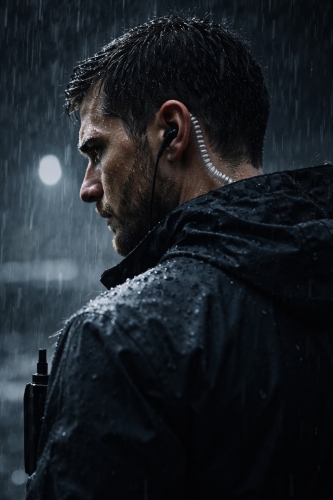
Working outdoors often means battling the elements, and unpredictable weather is simply part of the job. Whether you are managing security at a muddy music festival, coordinating logistics on a sprawling construction site, or leading an outdoor expedition, reliable communication remains absolutely vital. When heavy rain starts falling, a dropped signal or a malfunctioning earpiece can quickly turn a routine operation into a logistical nightmare.
Moisture and electronics are notoriously bad companions. Standard communication accessories often struggle when exposed to persistent rain, high humidity, or sudden splashes. Water can seep into delicate microphone housings, short-circuit connector pins, and ruin the audio quality just when you need to hear a critical transmission the most.
Navigating the wide array of communication accessories on the market can be overwhelming, especially when you need gear that will not fail at the first sign of a downpour. Understanding what makes a radio earpiece truly weather-resistant will save you time, money, and frustration.
This guide will walk you through the essential features to look for when choosing durable communication gear. We will highlight the top earpiece designs built to withstand the elements, explain how to decipher technical durability ratings, and share practical maintenance tips to keep your equipment functioning flawlessly regardless of the forecast.
Key features of a weather-resistant radio earpiece
When selecting a radio earpiece for outdoor use, you need more than just good audio quality. The physical construction of the accessory dictates how well it will survive harsh environments. The most important metric to understand is the Ingress Protection rating, commonly known as an IP rating.
Defined by the international standard IEC 60529, an IP rating classifies the degree of protection an electrical enclosure provides against solid objects and liquids. The rating consists of the letters 'IP' followed by two digits.
The first digit indicates protection against solid particles like dust and dirt, ranging from zero to six. A rating of six means the device is entirely dust-tight. The second digit is the most critical for wet weather, as it measures liquid ingress protection on a scale from zero to nine.
For reliable outdoor performance, you should look for earpieces and radios with high liquid protection ratings. Here is what the most common water-resistance numbers actually mean in practice:
- IPX4: Protected against splashing water from any direction. This is suitable for very light drizzle.
- IPX5: Protected against low-pressure water jets. This will survive continuous, moderate rain.
- IPX6: Protected against powerful water jets. Gear with this rating can handle heavy storms and harsh marine environments.
- IPX7: Protected against temporary immersion in water up to one metre deep for 30 minutes. If you accidentally drop your gear in a puddle, it will survive.
Beyond official IP ratings, inspect the physical materials of the earpiece. A weather-resistant model should feature robust, thick cables that resist cracking in cold weather. Connectors need to sit flush and tight against the radio body to prevent moisture from creeping into the terminal. Finally, the push-to-talk (PTT) button must have a sealed, tactile housing so you can operate it easily even when wearing thick, wet gloves.
The D-Ring Covert Earpiece: Unmatched comfort in the rain
If you are looking for the best waterproof solution that maximises external ear comfort, the D-Ring Covert Earpiece is an exceptional choice for wet weather deployments.
The design of the D-Ring is inherently suited for harsh conditions. It features a top-quality, flexible rubber loop that sits securely entirely over the outside of the ear. Because it does not protrude into the ear canal, it prevents water from becoming trapped inside your ear during heavy downpours—a common and highly uncomfortable problem with standard earbud designs. The external fit also makes it a highly hygienic option for teams that need to share equipment between shift changes.
Durability is built into its construction. The earpiece features a tough 45-centimetre cable that runs in-line from the connector to the D-shape housing. The integrated push-to-talk microphone is attached via a sturdy lapel clip, allowing you to secure it closely to your collar or waterproof jacket. This keeps the microphone shielded from direct rain while remaining easily accessible.
Furthermore, the D-Ring Covert Earpiece provides crisp, high-quality audio that easily cuts through the background noise of wind and rain. It is RoHS compliant and perfectly compatible with a wide range of two-way radios, coming with options for Motorola 2-pin connectors that work seamlessly with popular models like the GP300, XTN, CP040, and GP340 adapters.
The G-Shaped Earpiece: Secure fit for active users
Some outdoor professionals prefer a more isolated audio experience, especially in environments where ambient noise—like heavy machinery or roaring wind—makes hearing difficult. For these users, the G-Shaped Earpiece provides an incredibly secure, in-ear fit combined with excellent outdoor stability.
This earpiece uses a distinctive 'G' shaped hanger that rests securely around the outer ear. This larger surface area distributes the weight of the accessory, making it far more comfortable for long twelve-hour shifts than rigid plastic models. The true advantage of this specific design lies in its acoustic tube technology. By channelling the audio directly into the ear canal, the earpiece creates a physical seal. This blocks out howling winds and ensures that every radio transmission is heard with crystal clarity.
When you are moving actively outdoors—perhaps running across a festival ground or navigating uneven terrain in the rain—you need an earpiece that will not easily dislodge. The G-shape provides an anchor, while the in ear ensures the audio source remains uninterrupted.
Like its D-Ring counterpart, this earpiece features a hygienic multi-user design, a robust 45-centimetre cable, and an in-line lapel clip for the PTT microphone. It represents an ideal balance between deep, in-ear audio isolation and rugged physical stability.
Maintenance tips for wet radio equipment
Even the most robust, highly-rated waterproof earpieces require proper care after exposure to extreme weather. Water damage often occurs not during the rainstorm itself, but in the hours following if the equipment is improperly stored.
If your two-way radio and earpiece get heavily soaked during a shift, take immediate action once you return to a dry environment. First, power down the radio completely. Leaving wet electronics turned on increases the risk of a short circuit. Next, detach the earpiece connector from the radio body and remove the radio battery. Handle all components with dry hands to avoid pushing water further into the device ports.
Drying your equipment correctly requires patience. Avoid the temptation to use quick fixes like hair dryers, heat guns, or placing the equipment on a radiator. Excessive heat can permanently warp rubber acoustic tubes, melt wire casings, and severely damage the internal seals that provide the equipment with its waterproof rating in the first place.
Instead, gently pat the radio, battery, and earpiece dry with a clean, lint-free microfibre cloth. Pay special attention to the metallic connector pins on the earpiece and the accessory port on the radio. These metallic points transfer power and audio signals; if moisture is left sitting on them, they will quickly corrode and rust, rendering the earpiece useless.
Leave the detached components in a dry, well-ventilated room on an absorbent surface. You can use silica gel packets—commonly found in shoeboxes or electronics packaging—placed near the connection ports to draw out residual moisture. Do not reattach the earpiece or power the radio back on until you are absolutely certain all parts are completely dry.
Why professional communication demands specialised gear
When outfitting a team for outdoor work, it can be tempting to try and adapt standard consumer technology for professional use. However, when it comes to two-way radio communication, choosing specialised radio earpieces over standard consumer earbuds is non-negotiable.
Consumer earbuds are designed primarily for listening to music in relatively mild conditions. They lack the heavy-duty cabling required to survive being snagged on heavy outdoor clothing or dropped in the mud. More importantly, they do not feature the integrated, robust push-to-talk mechanisms that are entirely essential for instant two-way radio communication.
Specialised radio earpieces, like the D-Ring and G-Shaped models, are purpose-built tools. They feature reinforced connectors that maintain secure contact with the radio unit, heavy-duty lapel clips that withstand constant movement, and ergonomic designs built for extended physical comfort during long, demanding shifts.
By investing in high-quality, weather-resistant radio accessories and committing to proper post-rain maintenance, you ensure that your team remains connected, safe, and efficient, no matter what the weather throws at them.
For more information on The Best Two-Way Radio Earpieces for Wet Weather talk to Earpieceonline