 Get Listed

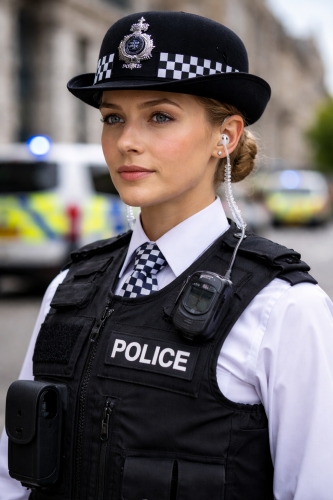
Your radio is your lifeline. Whether you are coordinating a response to a critical incident, requesting backup during a routine traffic stop, or simply checking in with dispatch, clear communication is non-negotiable. However, a radio is only as good as the accessory you attach to it. In the high-pressure environment of policing, relying solely on a shoulder-mounted speaker microphone can compromise your tactical advantage and, more importantly, your safety.
Loud radio chatter can alert suspects to your presence before you have even turned the corner. It can broadcast sensitive personal data to the public, violating privacy standards. Furthermore, in noisy environments—like a busy high street or a stadium crowd—the audio from a standard speaker mic often gets lost in the ambient noise, forcing you to ask for crucial information to be repeated. This is where a high-quality earpiece becomes essential.
Choosing the right equipment is not just about finding something that plugs into your Airwave terminal. It is about finding a solution that offers all-day comfort, withstands the rigours of the job, and provides crystal-clear audio without listener fatigue. With so many options on the market, from acoustic tubes to D-rings, finding the perfect fit can be overwhelming. This guide breaks down exactly what you need to look for and reviews the best earpieces for police officers available today.
Key Features to Consider When Choosing an Earpiece
Before investing in a new earpiece, it is vital to understand the specific requirements of your role. A detective in plain clothes has different needs from a beat officer in full uniform or a member of a tactical unit. Here are the critical factors you must evaluate.
Compatibility with Radio Models
This is the first hurdle. Police forces typically use specific TETRA terminals, such as Motorola (MTH800, MTP850, MTP850s) or Sepura (SRP2000, SRH3000 series). An earpiece must have the correct connector to function. There is nothing worse than buying a piece of kit only to find the pins do not align. Always verify the connector type matches your specific terminal model before purchase.
Comfort and Fit
Police shifts are long, often lasting 10 to 12 hours. An earpiece that feels fine for the first ten minutes can become excruciatingly painful after four hours. Factors like "ear fatigue" are real; hard plastic pressing against the cartilage of the ear can cause headaches and distraction. Look for options that use soft, hypoallergenic surgical-grade silicone or designs that sit on the outside of the ear (like D-shapes) if you have sensitive ear canals.
Durability and Build Quality
Policing is a contact sport. Your equipment needs to survive scuffles, running, rain, and daily wear and tear. Cables should be reinforced—often with Kevlar—to prevent snapping if they get snagged. The PTT (Push-to-Talk) button needs to be robust enough to handle thousands of presses and responsive enough to work flawlessly when you are wearing gloves.
Discretion and Design
For many officers, the element of surprise is a tactical necessity. A "covert" earpiece is designed to be as invisible as possible. Clear acoustic tubes are the industry standard for uniformed officers as they blend into the skin tone and look professional. For undercover work, even a clear tube might be too obvious, necessitating earpieces that look like standard music headphones or inductive loop systems that are entirely hidden.
Hygiene Considerations
If you are issued a personal earpiece, hygiene is manageable. However, if you are sharing pool equipment, inserting an earpiece into your ear canal is a significant health risk. In scenarios where kit is shared, on-ear styles (like D-rings or G-shapes) are far superior as they do not enter the ear canal, making them easier to wipe down and sanitise between shifts.
Types of Earpieces Available
Understanding the different styles will help you decide which configuration suits your personal comfort preferences and operational requirements.
Acoustic Tube Earpieces
This is the "classic" police look. A transducer sits near the collar, and sound travels up a clear, coiled tube to the ear.
- Pros: Highly discreet and professional appearance. The tube allows for airflow, preventing the "blocked ear" feeling.
- Cons: The tube can collect moisture (condensation) over time, which may block sound if not cleaned.
D-Shape and G-Shape Earpieces
These feature a rubber or plastic hanger that loops around the outside of the ear, with the speaker resting over the ear canal.
- Pros: Extremely secure fit—they won't fall out during a foot chase. Very hygienic as they don't enter the ear canal.
- Cons: Some find the pressure on the back of the ear uncomfortable after very long periods.
Surveillance Earpieces
These are typically 2-wire or 3-wire kits. One wire goes to the earpiece, one to the PTT/Mic (usually run down the sleeve), and potentially a third to a separate PTT. They are designed for plain-clothes operations where hiding the wires under a jacket is necessary.
"Bud" Style Earpieces
Designed to mimic the look of standard mobile phone headphones or MP3 player earphones.
- Pros: Perfect for urban camouflage. To a passerby, you look like you are listening to music, not police radio traffic.
- Cons: Less suitable for uniformed work as they look too casual.
Top Product Recommendations
Based on reliability, audio clarity, and build quality, here are our top picks for police earpieces.
1. For Durability and Discretion: Good Quality Acoustic Tube Motorola MTP 850s Earpiece
This is the gold standard for uniformed officers using the Motorola MTP series. It features a clear acoustic tube that provides excellent audio clarity while remaining discreet. The surgical-grade tube is comfortable for long shifts, and the kit includes a robust PTT microphone that can be clipped to a lapel or vest. The Kevlar-reinforced cabling ensures it can withstand the rigours of patrol duty.
View the Acoustic Tube Motorola MTP 850s Earpiece here
2. For Comfort and Hygiene: Good Quality D-Ring Motorola MTP/MTH Earpiece
If you struggle with ear soreness or share equipment, this D-Ring earpiece is the ideal solution. It loops securely around the ear, ensuring it stays in place during physical activity without entering the ear canal. This makes it cleaner and often more comfortable for users who dislike earplugs. It delivers crisp audio directly to the ear and includes a high-quality inline microphone.
View the D-Ring Motorola MTP/MTH Earpiece here
3. For Undercover Operations: White Earphone Bud Style Earpiece
When blending in is the primary goal, this earpiece is unmatched. Designed to look exactly like a standard set of white music earphones, it allows plain-clothes officers to stay in full contact with their team without drawing attention. Despite its casual appearance, it houses professional-grade audio components and a discreet inline PTT/microphone for secure two-way communication. It is available for both Motorola and Sepura terminals.
View the White Earphone Bud Style Earpiece here
4. For Versatility: Multi-Connector Good Quality Earpiece
For officers who work across different sites or use various radio models, this universal earpiece is a game-changer. It allows you to change the connector to fit the accessory, meaning you don't need to buy a whole new headset if your force switches from Motorola to Kenwood or Icom. It offers flexibility without compromising on audio quality.
View the Multi-Connector Earpiece here
The Strategic Benefits of Covert Earpieces
Switching from a shoulder mic to a dedicated earpiece offers more than just clearer sound; it provides a tactical edge.
Enhanced Situational Awareness
Covert earpieces allow you to maintain "360-degree situational awareness." By feeding radio traffic into one ear, your other ear remains open to the environment. You can hear footsteps approaching from behind or the tone of a suspect's voice, while simultaneously receiving updates from the control room. This dual-stream of information is vital for officer safety.
Preventing Information Leakage
In the age of GDPR and heightened privacy concerns, broadcasting personal details over a loudspeaker is problematic. An earpiece ensures that sensitive information—such as a suspect's prior history, home address, or medical status—is heard only by you. This protects the dignity of the public and ensures operational security.
De-escalation
Shoulder mics are loud and can be perceived as aggressive or chaotic in tense situations. The constant blaring of dispatch codes can agitate a person in crisis. An earpiece keeps the environment quieter and calmer, allowing you to focus on communication and de-escalation techniques without the background noise of radio chatter spiking the adrenaline levels of everyone nearby.
Improving Safety Through Better Communication
The right earpiece is an investment in your safety and professional effectiveness. Whether you prefer the secure fit of a D-ring, the professional look of an acoustic tube, or the camouflage of a bud-style kit, the most important thing is that your equipment works when you need it most.
By moving your communications from your shoulder to your ear, you gain clarity, discretion, and a tactical advantage that could make the difference in a critical situation. Don't settle for "good enough" audio; ensure you are clear, covert, and connected.
For more information on Clear, Covert, Connected: The Best Earpieces for Police Officers talk to Earpieceonline