 Get Listed

Kirisun Earpieces: The Complete Guide
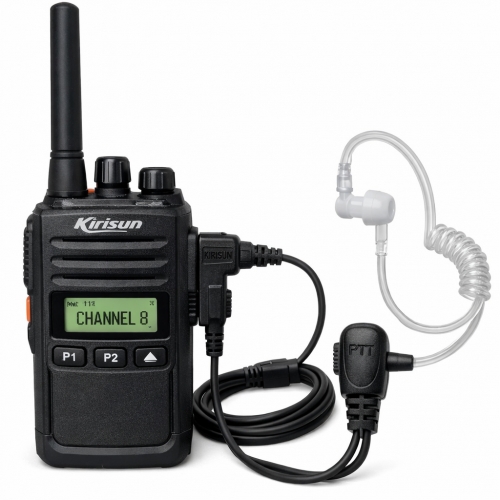
You rely on your radio earpiece for split-second communication. Whether you are coordinating security at a crowded venue or managing stock in a busy warehouse, a muffled or malfunctioning earpiece isn't just annoying—it’s a safety risk.
Kirisun earpieces are built for durability, often used with robust radios like the DP405 or DP480. However, like any piece of professional equipment, they require regular maintenance to perform at their best. Sweat, earwax, and dust can accumulate quickly, leading to poor audio quality and potential hygiene issues.
This guide covers everything you need to know about cleaning your Kirisun earpiece, identifying when to replace parts, and storing your equipment correctly to extend its lifespan.
Why Regular Cleaning Matters
It is easy to overlook earpiece maintenance until something goes wrong. However, keeping your equipment clean is essential for two main reasons: hygiene and performance.
Hygiene and Health
If you share earpieces with colleagues or use the same one daily, bacteria can build up on the ear tip. This warm, enclosed environment is perfect for microbial growth, which can lead to ear infections. Regular cleaning prevents the transfer of bacteria and keeps your ears healthy.
Audio Performance
The most common cause of "broken" earpieces is actually a blockage. Earwax or debris can clog the acoustic tube or the mesh screen on the speaker, muffling the sound. By keeping these pathways clear, you ensure that transmissions come through crisp and clear every time.
A Step-by-Step Cleaning Guide
Cleaning your earpiece doesn't require expensive tools. You can maintain your gear with just a few household items.
What You Will Need
- Mild soap and warm water (avoid harsh chemicals like bleach).
- Disinfectant wipes (alcohol-free is often better for rubber parts).
- A soft, lint-free cloth.
- A small brush (a clean toothbrush works well).
- Canned air (optional, for blowing out acoustic tubes).
How to Clean the Components
1. The Earpiece / Ear Tip
If you use a removable acoustic tube (common on covert models), detach the plastic tube from the transducer. Wash the tube and the silicone ear tip in warm, soapy water. Rinse them thoroughly and—this is crucial—allow them to dry completely before reattaching them. Any moisture left inside can block sound or damage the speaker.
2. The Cables and Wires
Wipe down the Kevlar cabling with a damp cloth or a disinfectant wipe. This removes sweat and oils that can cause the rubber to become brittle and crack over time.
3. The Connector and PTT (Push-to-Talk) Button
Use a dry cloth or a slightly damp wipe to clean the PTT housing and the connector pins. Be very careful not to get liquid inside the PTT button mechanism or on the metal contact pins, as this can cause corrosion.
Replacing Parts: When and How
Even with the best care, certain components are consumables. They are designed to be replaced periodically to keep the unit functioning like new.
Ear Tips and Acoustic Tubes
Silicone ear tips can harden or discolor over time. If your ear tip feels stiff or looks yellow, it is time for a new one. Acoustic tubes can also attract moisture buildup that is hard to remove. If the tube looks cloudy or audio remains low after cleaning, swap it out.
Connectors
The 2-pin connector on Kirisun models is durable, but pins can sometimes get bent if forced into the radio. If your connection feels loose, check the pins.
If you need high-quality spares, we recommend checking the range at Earpiece Online. They stock everything from replacement acoustic tubes to full covert kits compatible with Kirisun DP405, DP485, and DP480 radios.
Tips for Prolonging Earpiece Life
Want to make your gear last longer? Follow these simple storage and handling rules.
Proper Storage
Never wrap the cable tightly around the radio. This creates tension on the internal wires and is the leading cause of connectivity failure. Instead, coil the wire loosely and store the earpiece in a pouch or a dedicated pocket when not in use.
Avoid Extreme Conditions
Do not leave your earpiece on the dashboard of a car in summer or in freezing conditions overnight. Extreme temperatures can degrade the plastic and rubber components, making them prone to cracking.
Handle with Care
When disconnecting the earpiece from the radio, pull from the plastic connector housing, not the wire. Pulling the wire puts stress on the soldering points and will eventually snap the internal connection.
Common Issues and Troubleshooting
Before you throw away a "faulty" earpiece, try these troubleshooting steps.
Problem: The sound is muffled or quiet.
- Fix: Check the acoustic tube for condensation. Disconnect it and blow air through it to clear any moisture. Check the ear tip for wax blockage.
Problem: The microphone cuts in and out.
- Fix: Ensure the 2-pin connector is pushed firmly into the radio. Sometimes, it may look connected but hasn't clicked into place. If the issue persists, wiggle the wire near the PTT; if this triggers the mic, you likely have a wire break and need a replacement.
Problem: My ear hurts after wearing it.
- Fix: You may need a different size ear tip or a different style, such as a D-ring or G-shape earpiece, which sits on the outside of the ear rather than inside the canal.
Keep Your Comms Clear
Your Kirisun earpiece is a vital tool for staying connected. By spending just a few minutes a week on cleaning and proper storage, you can prevent hygiene issues, save money on unnecessary replacements, and ensure your team can always hear you loud and clear.
For more information on Kirisun Earpieces: The Complete Guide talk to Earpieceonline