 Get Listed

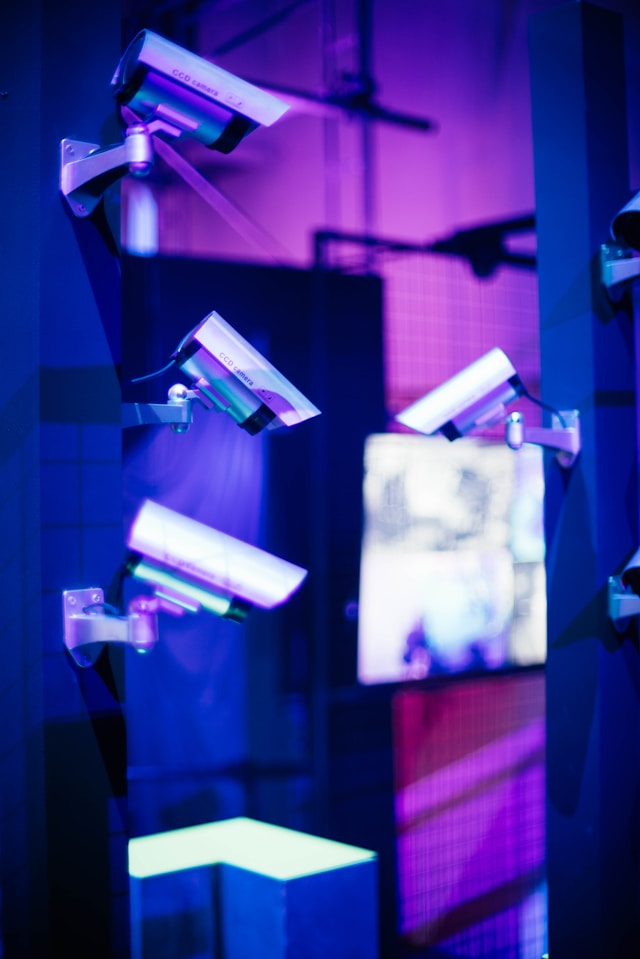
Security technology is evolving quickly. One of the biggest shifts is the growing popularity of smart home security systems. These go beyond traditional alarms and CCTV, combining modern technology to offer a more connected, interactive security experience.
In this article, we look at some of the latest security technologies and trends in the UK.
Connected devices for seamless protection
Smart security systems use the Internet of Things (IoT) to connect devices across a home or site. From smart doorbells with built-in cameras to sensors that detect unusual movement, these devices work together to create a joined-up layer of protection.
Because everything is connected, homeowners can monitor their property remotely, receive instant alerts and adjust settings from a phone or tablet.
Facial recognition: the next step in access control
Facial recognition is becoming increasingly common in access control. Instead of keys or passcodes, the face becomes the credential. This trend is growing across both domestic and commercial settings, helping secure entrances while improving convenience.
Modern facial recognition systems are designed to be fast and accurate. They can reduce the risk of unauthorised entry and remove the hassle of lost keys or shared codes, offering a more streamlined experience.
Artificial intelligence: smarter security decisions
Artificial intelligence (AI) sits behind many recent advances in security. AI systems can analyse large amounts of data to detect patterns, identify unusual behaviour and flag potential threats. This makes security more responsive and, in many cases, more accurate than traditional approaches.
One important use of AI is predictive analytics. By learning from historical data and behaviour patterns, AI can help identify risks earlier and support a more proactive security response.
Cybersecurity: protecting the virtual perimeter
As systems become more connected, the risk of cyber threats increases. That means protecting the digital side of security is now as important as physical protection.
Many modern systems include features such as encryption and secure communication protocols to help protect data and prevent unauthorised access. The aim is to ensure information collected and transmitted by devices remains private and secure.
Drone surveillance: eyes in the sky
Drones are increasingly being used for security monitoring, particularly for large sites. With aerial visibility, drones can cover wide areas quickly, making them useful for estates, event venues and industrial facilities.
Equipped with high-resolution cameras and live streaming, drones can support incident monitoring, tracking and rapid assessment in evolving situations. This reflects a shift towards more agile, responsive security options.
Conclusion: embracing the future of security
Keeping up with changing technology is an important part of protecting what matters most. From connected smart systems and facial recognition to AI-driven monitoring and stronger cybersecurity, modern security is becoming more capable and more integrated.
For homeowners and businesses alike, these developments can improve convenience, resilience and peace of mind. By choosing the right technologies and using them well, it’s possible to create safer environments that are ready for the future.
For more information on security systems in the UK, contact Eagle Security Solutions.
For more information on Unveiling Tomorrow’s Safeguards: The Latest Trends in Security Technology talk to Eagle Security Solutions Ltd