 Get Listed

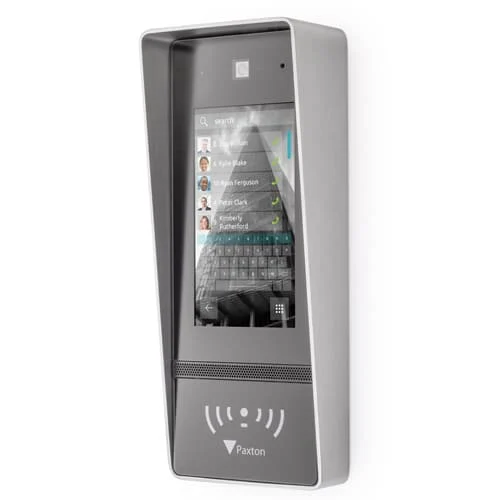
Access control systems (ACS) offer an intelligent and secure way to manage who can enter your premises. In today’s security-conscious world, they’ve become a crucial part of safeguarding businesses from unauthorised access and potential risks.
A key element in any access control system is the type of credentials used to grant entry. Below, we explore how these systems work and how choosing the right credentials can strengthen your organisation’s security.
Digital Keys to Your Business
Access control credentials act as digital keys, verifying whether an individual is authorised to enter specific areas within your site. These credentials come in various forms, each with different levels of security, convenience and cost.
Here are some of the most commonly used types in modern systems:
Proximity Cards
Often referred to as keycards or access cards, these are one of the most widely used solutions. Containing microchips that transmit encrypted data, proximity cards are read when tapped or swiped against a card reader. They’re cost-effective, easy to replace, and simple for staff to use.
Biometric Identification
Biometric credentials use an individual’s unique physical characteristics, such as fingerprints, facial features, or iris patterns. This makes them highly secure, as they’re extremely difficult to forge or replicate. Biometric access is particularly useful in high-security environments where sensitive data or valuable assets are stored.
PIN Codes
Personal Identification Numbers (PINs) are a basic yet practical option. Users simply enter a numerical code on a keypad to gain access. While they don’t offer the same level of protection as biometrics or encrypted keycards, PINs can be a useful and affordable option for lower-risk areas.
Which Credential is Right for Your Business?
The best credential type depends on your specific operational requirements. In lower-risk zones, PIN codes or keycards may be sufficient, while areas containing critical infrastructure or confidential information may require advanced biometric verification.
It’s also worth considering the size of your workforce and ease of everyday use. For example, keycards are ideal for larger organisations due to ease of distribution and replacement. Biometrics, while offering superior security, may have higher initial costs but can lead to long-term savings as there’s nothing to lose or replace.
Looking Ahead: The Future of Access Control
Access credentials are continuing to evolve. Multi-factor authentication and mobile credentials — using smartphones as virtual keys — are becoming increasingly popular as technology advances. These options enhance both convenience and security while reducing reliance on physical cards or devices.
Final Thoughts
Choosing the right access control credentials is a vital step in protecting your organisation. By assessing the security needs of different areas within your premises and weighing up the pros and cons of each option, you can implement a system that delivers the ideal balance of security, usability and cost-effectiveness.
For expert advice on upgrading your business’s security, contact Eagle Security Solutions. Our team can help you select and implement the most suitable access control system for your specific needs.
For more information on Cracking the Code: Understanding Access Control Systems for Securing Businesses talk to Eagle Security Solutions Ltd