 Get Listed


Legionella at golf courses; what’s the risk?
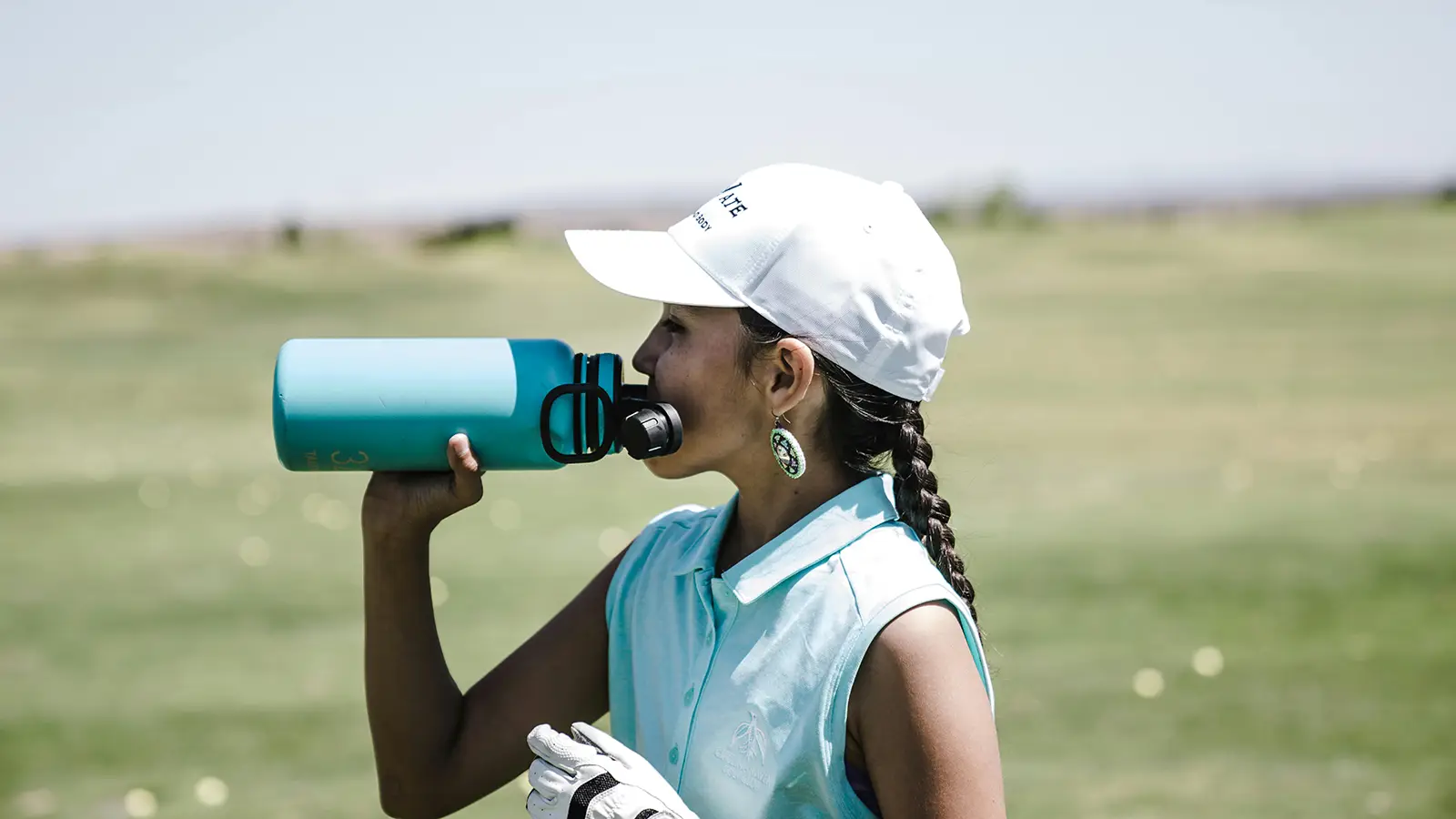
For many, golf represents a relaxing escape from the norm; a spot of mindfulness surrounded by the greenery of nature.
Unfortunately, it’s this very greenery – and the irrigation methods used by golf centres to maintain it – which can potentially create serious problems for controlling the risks of legionella.
Ready to find out more?
Let’s tee off…
(Sorry – we couldn’t resist!)
How can legionella grow and spread at golf courses?
On first inspection, golf courses and similar outdoor sports facilities might not seem like a particularly vulnerable area for legionella growth.
The hidden danger lies in the irrigation systems used to maintain the quality of the course green. Golf course irrigation systems are essential for preventing the turf from wilting and ensuring a great playing experience across the course.
Water sprinklers enable even dispersal of irrigation water across the highs and lows of the course; but that spray can easily create aerosolised water which can be unwittingly inhaled by players and staff.
Of course, that’s a serious problem if the water happens to be contaminated with legionella bacteria – or indeed other airborne pathogens.
Golf course irrigation systems typically use either storage tanks (sometimes situated above ground for easier maintenance) or surface water ponds and lakes as more sustainable water sources. The latter are particularly handy, since they can also double as the course’s water hazards.
Unfortunately, warmer weather has the potential to push these outdoor water sources into the 20°C to 45°C danger zone for legionella growth.
Other golf courses use recycled wastewater for irrigation, which can pose an even greater risk of pathogens and requires much more stringent filtering.
What other water risks exist at golf courses?
Irrigation systems aren’t the only overlooked legionella risk at golf course facilities.
Don’t forget the regular hot and cold water systems at clubhouses and lodges, which often include shower facilities. Other golf centres may have more elaborate spa facilities; particularly if they’re part of a larger resort.
(And of course, we’d be remiss to not mention the physical dangers of golf water hazards; particularly the risk of being swept away and drowned by fast-moving lateral water hazards. If you’re putting together a water risk assessment, don’t forget to include this.)
What are golf clubs’ responsibilities and best practices for preventing legionella?
As with all businesses, golf centres are obliged under health and safety law to protect players, guests and staff from the dangers of legionella.
If you’re found to be neglecting your health and safety duties – either by inspectors, or by a court of law – the fines can run into the tens of thousands.
Here’s what you’ll need to do to mitigate the risks of legionella; and avoid landing your golf centre business in a legal sand trap.

Risk assessment
A legionella risk assessment (if not a full in-depth water safety plan[link to previous blog]) should be conducted across your site, in order to understand the areas vulnerable to legionella growth and transmission, and develop measures to combat them.
As we’ve already touched upon, potential water hazards can show up across all areas of a golf club; not just the courses themselves, but the clubhouse facilities as well.
Make sure your legionella risk assessment or safety plan covers all water facilities across the entire grounds of your golf course facility.
And of course, don’t forget to regularly review your LRA to ensure your control measures are still effective. If the current methods aren’t working, new control methods need to be devised and implemented.

Responsible person
You’ll need to appoint at least one ‘responsible person’ to manage the implementation of control measures across your golf facility. This person might be the club’s greenkeeper, a manager or supervisor, or a combination of different people.
Whoever the responsible person(s) might be, they should have a good understanding of the water systems across your site, and the authority to be able to carry out the measures.
If your golf club has multiple responsible persons, it goes without saying that they need to communicate and share knowledge effectively. It’s no good trying to control the risks of legionella if everyone is singing from different hymn sheets.
System inspection
Part of your control measures programme will no doubt include a thorough inspection of your on-site water systems.
Review water distribution pipes and remove any disused sections of pipes or ‘dead legs’. Take regular samples across all stages of your golf green irrigation systems (including storage tanks/surface water sources, pumps, distribution lines and sprinkler heads) to ensure no one part of the chain is harbouring legionella.
Check temperature control systems are working safely and maintaining a safe water temperature to inhibit legionella growth. Check the integrity of tank linings, lids and seals. Certain types of plastic liners can become brittle when exposed to higher or fluctuating temperatures, while poorly fitting lids can allow debris and sunlight to enter the tank. Are your water storage tanks in line of direct sunlight? If so, consider moving them to a shadier spot or installing a helter around them to shield from the sun’s rays.
Disinfection
This is one of the more interesting challenges for legionella control in golf course settings. For most situations, chlorination is recommended to disinfect water systems and kill off any lurking bacteria.
Unfortunately, chlorinated water isn’t a great match for lawn turf in the long term. Prolonged exposure to chlorine can gradually ruin the quality of the green, or can even eventually kill the grass.
Many golf courses tackle this using a combination of microfiltration (such as with cartridge filters) and ozone injection to oxidise and break down the legionella bacteria. Talking to a water quality expert can help you decide on the best methods for your particular golf club facility.
And the team at Dynamika can do just that; with impartial expert guidance on everything from legionella risk assessments for golf courses and water analysis, to treatments and disinfection solutions for all kids of leisure facilities.
Drop us a line 03333 22 0800 or contact us online to discuss your requirements.
For more information on Legionella at golf courses; what’s the risk? talk to Dynamika UK Ltd