 Get Listed


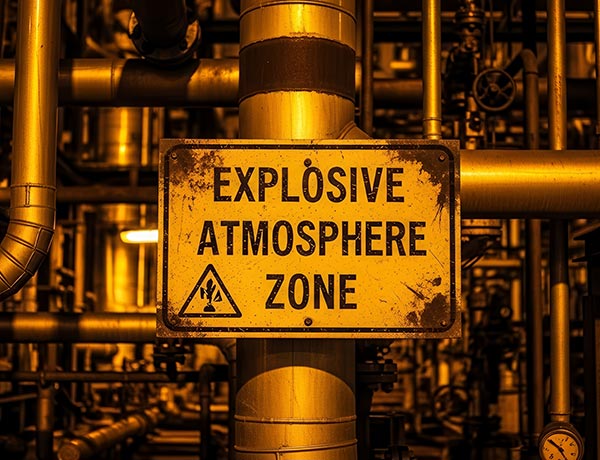
DSEAR Risk Assessment Auditing Service is a CSS Worksafe training course developed to improve knowledge, competence and safer working practices.
Aims & Objectives: A DSEAR risk.
Assessment: is now typically undertaken in some depth. It requires the assessor to examine the seven groups of products defined as a "dangerous substance", and then the processes through which those substances are used, including any applied pressures or temperatures. A DSEAR risk.
Assessment: is an HSE mandatory requirement under legislation (Statutory Instrument 2002 No. 2776) wherever dangerous substances are present. Our service provides a thorough, structured.
Assessment: of your site, identifies the risks, and sets out prioritised recommendations to help you achieve and demonstrate compliance.
Suitability: .
Requirements: What is a "dangerous substance"? A dangerous substance is defined as: Any flammable, highly flammable, extremely flammable, oxidising or explosive material. Any chemical, or formulation of chemicals, that - in the way it is used within the workplace - could create a risk to persons. Any dust or powders (this includes shotblasting).
All substances corrosive to metals. All gases under high pressure, defined as greater than 0.5 bar. All liquids under pressure - and, as of October 2024, this includes flammable and non-flammable liquids such as hydraulic systems, with significant impact on area classification documents. Any substance or product - such as lithium batteries - that can create or release any form of energetic event. A DSEAR risk.
Assessment: is a mandatory legal requirement should any of the above apply.
Syllabus: Section 1 - Company Support Data. Brief description of projects, processes or activities. Employee data. Infringements. Support documentation appraisal. Overview of site safety. Section 2 - Hazards. Safe storage principles. Gases. Liquid chemicals: flashpoint > 60°CLiquid chemicals: flashpoint < 60°CLiquid chemicals: flashpoint < maximum ambient temperature. Flammable corrosives. Corrosives. Oxidisers and explosives. Flammable powders and dust. Section 3 - Storage and Segregation. Flammable chemicals (FP < max ambient) - storage, with maximum ambient as the operational temperature basis of safety. Flammable chemicals (FP > max ambient) - storage. Segregation distances for flammable liquids. Section 4 - Basis of Safety. Fire danger element control. Critical failure safety systems.
Section 5 - Additional Control Measures. Additional control measures for consideration. Section 6 - Permits to Work (where applicable). Permits to work in operation. Permits to work in respect of contractors. Section 7 - Extraction / Ventilation. LEV test reports. Secondary mechanical extraction for areas (where applicable). Fume cabinet reports. Section 8 - Process Conditions. Temperature control. Pressure control. Section 9 - Pressure Safety System Regulation. Fixed pressure safety systems. Portable pressure safety systems. Preventative maintenance programme. Section 10 - Sources of Ignition. General conditions. Sources of ignition to be eliminated where ATEX equipment is not used. Installation and annual Comp. Ex.
Certification: Section 11 - Ex Zones. Zoning and control of explosive atmospheres. Number of zones established or required. Document control. Section 12 - Safe Operating Procedures. SOP control. SOP review. SOP training. SOP default to "stop"Section 13 - Transportation of Dangerous Substances. Whether dangerous substances are transported around the site - pipe, carry frame, trolley, FLT etc. Section 14 - PPE & RPEPPE and RPE control. PPE issued. RPE issued. Section 15 - Dangerous Substance Waste Control. Waste types. Documentation and compliance.
Waste collection. Solvent contamination. Section 16 - Training. Ex zone specific training. Documented records. Section 17 - Emergency Procedures. Process applications. Externally influenced emergencies. Fire precautions. Fire alarm and equipment. Extinguisher media types. Fire response procedures. Chemical spills. Section 18 - First Aid. First aid equipment. First aid personnel. Specialist rescue equipment and.
Requirements: Section 19 - Frequency and Severity. Frequency. Persons put at risk. Section 20 - Scoring the Level of Risk. Risk scoring across the assessed areas.
Section 21 - Identified Risks, Severity and Recommendations. Identified risks, severity ratings and recommendations, with priority of work required. Notes. This service is delivered on site and scoped on a site-by-site basis. Following the.
Assessment: you will receive a full report identifying risks, severity and prioritised recommendations.
For more information on DSEAR Risk Assessment Auditing Service talk to CSS Worksafe Ltd