 Get Listed


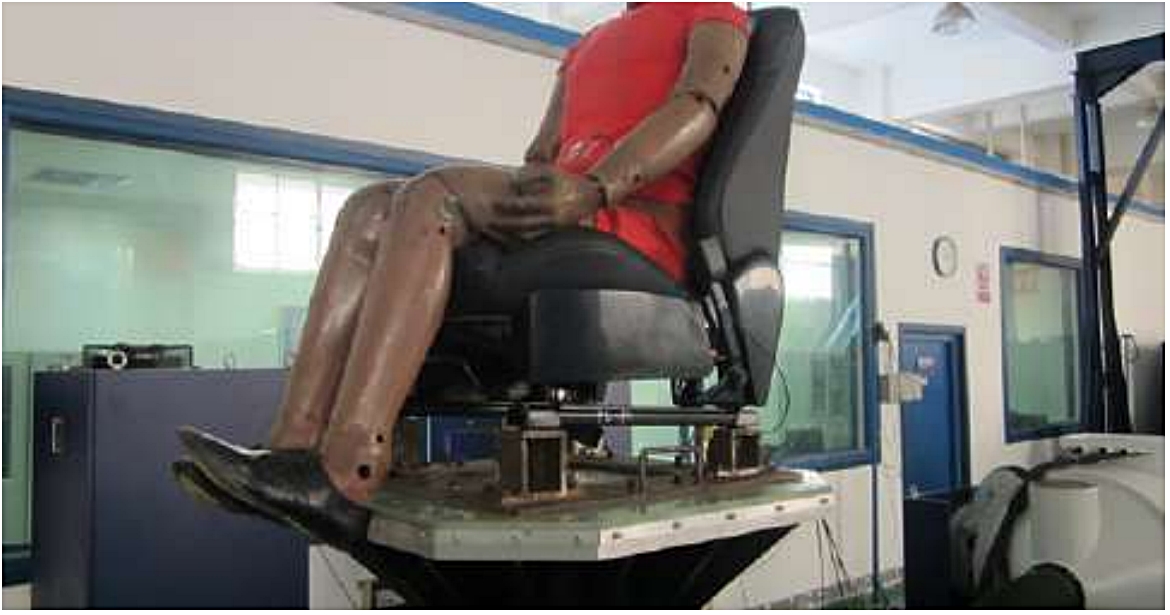
Vibration testing plays a vital role in product development across numerous sectors, including automotive, aerospace, electronics, and more. It ensures that components and systems can endure real-world challenges like shocks, vibrations, and environmental stresses, thereby helping to guarantee product reliability and durability.
When it comes to picking the right Vibration Shaker System, it’s important to consider the specific demands of your industry and the tests your products must undergo. This guide outlines the key factors that should influence your selection of a vibration testing machine, with a focus on automotive, aerospace, and electronics applications.
The Importance of Choosing the Right Vibration Shaker
A Vibration Shaker System is essential for simulating the various vibrational forces that products may face during their lifecycle. Selecting the appropriate machine guarantees that your tests are precise, efficient, and compliant with industry standards.
Key components of any vibration testing machine include:
The shaker or vibration generator, which produces the vibrations.
The amplifier, which powers the shaker.
The control system, which defines vibration profiles, frequency, and amplitude.
Fixtures and sensors for securing and monitoring test specimens.
Essential Factors to Consider When Choosing a Vibration Shaker Machine
Frequency Range
Different industries have different vibration frequency requirements. For example, automotive components may need testing for both low-frequency vibrations (to simulate rough roads) and high-frequency vibrations (to mimic engine vibrations). In contrast, aerospace components must endure a broader frequency range due to flight conditions, including turbulence and engine noise.
Automotive Industry: Frequencies typically range from 5 Hz to 2,000 Hz.
Aerospace Industry: Testing may extend from 5 Hz to 3,000 Hz.
Electronics Industry: Focuses on higher frequencies, often between 20 Hz and 2,500 Hz.
Force Rating (lbf/kgf)
Force rating refers to the maximum force that the vibration shaker can apply to the test specimen. This requirement varies based on the size and mass of the product being tested.
Automotive: Larger components like engines and transmissions may necessitate shakers with force ratings of up to 30,000 lbf (133 kN) or more.
Aerospace: Critical systems such as avionics & satellite components may require forces of up to 50,000 lbf (222 kN).
Electronics: Lighter components typically need less force, around 500 to 2,000 lbf (2 to 8.9 kN), but require precise control for small displacements.
Type of Shaker: Mechanical vs. Electrodynamic
There are two primary types of shakers: mechanical and electrodynamic.
Mechanical Shakers: Generally utilised for low-frequency tests, these are commonly found in automotive testing for assessing endurance of large components.
Electrodynamic Shakers: More versatile vibration shakers, capable of handling a wide range of frequencies and amplitudes. These shakers are typically employed in aerospace and electronics testing where precision is critical.
Electrodynamic shakers can generate both sine wave and random vibrations and are better suited for complex testing environments.
Compatibility with Test Environment
The testing environment can significantly impact the performance of the machine. For example, certain industries, particularly aerospace, may require shakers to operate in cleanroom conditions to avoid contamination of sensitive equipment. Additionally, some applications may demand combined vibration and temperature/humidity testing, common in electronics and defence sectors.
Compliance with Testing Standards
The vibration shaker system must adhere to the relevant industry testing standards, which are essential for certification and market readiness.
Automotive Industry: Standards include ISO 16750 and IEC 60068, outlining environmental testing procedures for electrical equipment in vehicles.
Aerospace Industry: Guidelines like RTCA DO-160 and MIL-STD-810G specify vibration testing requirements for airborne and military systems.
Electronics Industry: IEC 60068 is also relevant here, focusing on vibration, shock, and bump testing for electronic devices.
System Flexibility
The flexibility of your vibration shaker is important for accommodating different testing types. Some machines can be equipped with additional accessories such as slip tables for horizontal testing, head expanders for larger specimens, and environmental chambers for temperature-controlled testing. This adaptability is crucial for conducting various tests on different products without needing multiple machines.
Industry-Specific Use Cases and Examples
1.Automotive
In the automotive sector, vibration testing is crucial for simulating real-world driving conditions. For instance, a major automaker employed an ETS Solutions vibration test machine to replicate engine vibrations over a vehicle’s lifespan. By utilising high-force electrodynamic shakers to assess engine durability, the company reduced warranty claims by 20%, enhancing overall customer satisfaction.
- Aerospace
Vibration testing in aerospace ensures that avionics systems and other vital components can endure extreme vibrational forces encountered during flight. One aerospace manufacturer used an ETS Solutions electrodynamic shaker to test satellite components within a frequency range of 10 Hz to 2,000 Hz, ensuring compliance with MIL-STD-810G.
- Electronics
In the electronics industry, it is crucial for products like smartphones and tablets to withstand frequent handling and drops. A leading smartphone manufacturer leveraged a vibration testing machine to pinpoint potential design weaknesses, resulting in a 15% reduction in product returns.
The Future of Vibration Testing Systems
Recent market analysis predict that the global vibration testing equipment market will reach $900 million by 2025, growing at a CAGR of 6.5% from 2021 to 2025. As industries increasingly demand sophisticated testing solutions, the importance of selecting the right vibration shaker machine will continue to grow.
At CentraTEQ, we offer a comprehensive range of vibration testing systems from ETS Solutions, along with customisable options for various applications. Our team of experts is available to assist you in selecting the ideal solution for your specific industry needs.
Contact us today to discuss how we can support your vibration testing requirements!
For more information on How to choose the right Vibration Shaker System talk to CentraTEQ Ltd