 Get Listed

Machinery guarding needs to protect people while fitting the equipment, everyday working routines and available floor space. Billington Safety Systems explains how aluminium profile frames provide a practical basis for modular guarding that can be adapted as production requirements change.
A flexible framework for industrial guarding
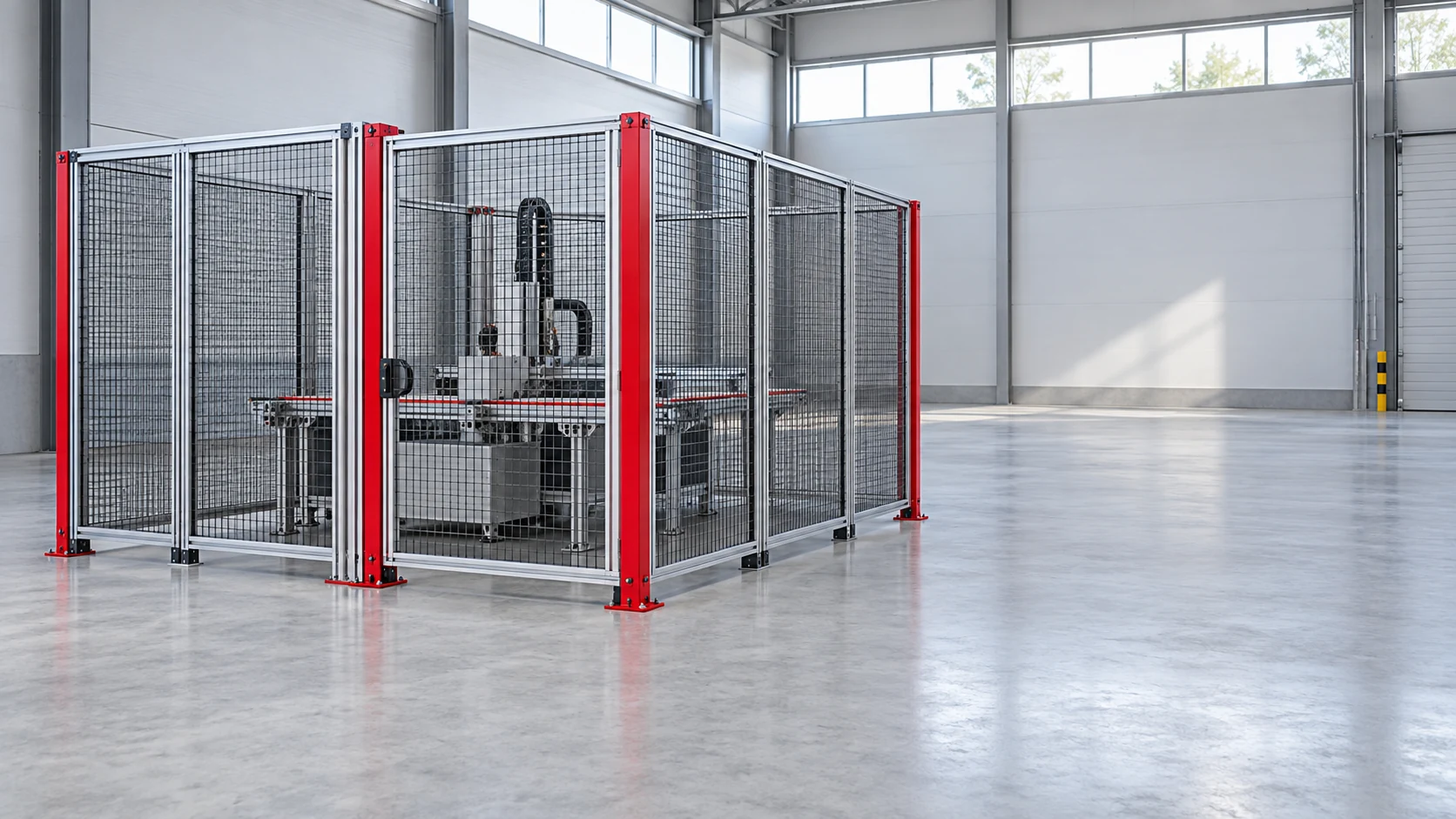
Aluminium profiles form the structure of a guarding system, with brackets, fixings and infill panels completing the enclosure. This approach allows the layout to follow the machine footprint and accommodate viewing areas, access doors and hatches where they are needed.
Different profile sizes and panel materials can be specified for the application. Mesh can help maintain visibility and airflow, clear polycarbonate can support observation, and solid sheet can provide greater separation where appropriate. The combination should be selected around the machinery, the hazards and the way the area is used.
Modular layouts can develop with production
Factories change over time. Equipment may be replaced, conveyors extended or operating routines revised. A system assembled from connected posts, panels, doors and brackets offers scope to review individual sections when those changes occur.
This flexibility can also help guarding fit alongside nearby barriers, storage areas and work platforms. However, alterations still need to be assessed: a convenient layout is only useful if it continues to provide suitable protection.
Planning should consider the hazard, stopping and reach distances, frequency of access and maintenance requirements. Modular construction supports that process rather than replacing it.
Plan access alongside protection
Guarding should prevent unsafe access while allowing authorised staff to complete necessary tasks. Operators may need loading points, engineers need room for servicing, and supervisors may need a clear view of the process.
Aluminium profile frames allow doors, hatches and viewing panels to be included in the initial design. Considering these features early helps avoid awkward access arrangements being added after installation.
Where entry is part of normal operation, physical guarding may need to work with sensors, relays and other safety controls. These measures should be specified together to suit the equipment and its risks.
Clear construction helps routine checks
A well organised guarding system makes the boundary around a hazard easier to understand. Defined posts, panels and access points show where movement is permitted and where entry needs to be controlled.
The same clarity helps inspection teams check panel security, fixings, door operation and any interlocks or sensors. Reviews should also consider whether changes to machinery or working practices have affected the original guarding arrangement.
The frame is one element of the wider safety system. Appropriate risk assessment, correct specification and effective access controls remain essential.
Start with the tasks around the machine
Before choosing panel materials or door positions, map normal operation, cleaning, inspections, planned maintenance and fault clearing. Identify where people need access, what they need to see and whether machinery movement could extend beyond the equipment itself.
Typical applications include:
- Machinery cells requiring defined entry points and separation from moving equipment.
- Conveyor and transfer routes where guarding must follow the layout.
- Assembly and production lines that may change as processes develop.
- Robot areas where visibility and controlled access are both important.
- Industrial enclosures using mesh, clear or solid infill panels.
Billington Safety Systems can design, supply and install machinery guarding around the equipment, access requirements and risk assessment findings for each site.
Key points
- Aluminium profile provides a structured base for modular guarding.
- Panel materials and access features can be selected to suit the application.
- Operation, cleaning, maintenance and future changes should all inform the layout.
- Any modification needs a review of the risks and protection provided.
Frequently asked questions
Is aluminium profile suitable for machinery guarding?
It can be, when the profile size, connections, panels and overall layout are correctly specified for the machinery hazards and expected use.
Can the guarding be modified later?
Modular construction often allows sections and access points to be reviewed when machinery or layouts change. The revised arrangement must still be checked against the risk assessment.
Does a modular frame replace safety devices?
No. Where the application requires them, safety devices and access controls need to be planned alongside the physical guarding.
For more information on Why aluminium profile frames suit modular guarding talk to Billington Safety Systems Ltd