Find The Needle Add My Company
Protecting What Matters: 
Fire Safety & Hygienic Environments:
A Unified Approach

When it comes to building safety, the stakes couldn’t be higher. Fires and health risks in shared and public spaces can have devastating consequences, making it critical for architects, designers, and specifiers to understand how to integrate fire safety and hygiene into their projects. That’s why Beplas has launched an exclusive CPD, “Protecting What Matters” to address these challenges head-on.

This CPD dives deep into the principles of fire spread, compartmentation, and the dual-purpose role of modern materials that ensure both fire resistance and hygienic environments. Read on for key insights, and don’t forget to book your face-to-face CPD session today.

Permanent changes that will shape the future of public spaces, safety and health

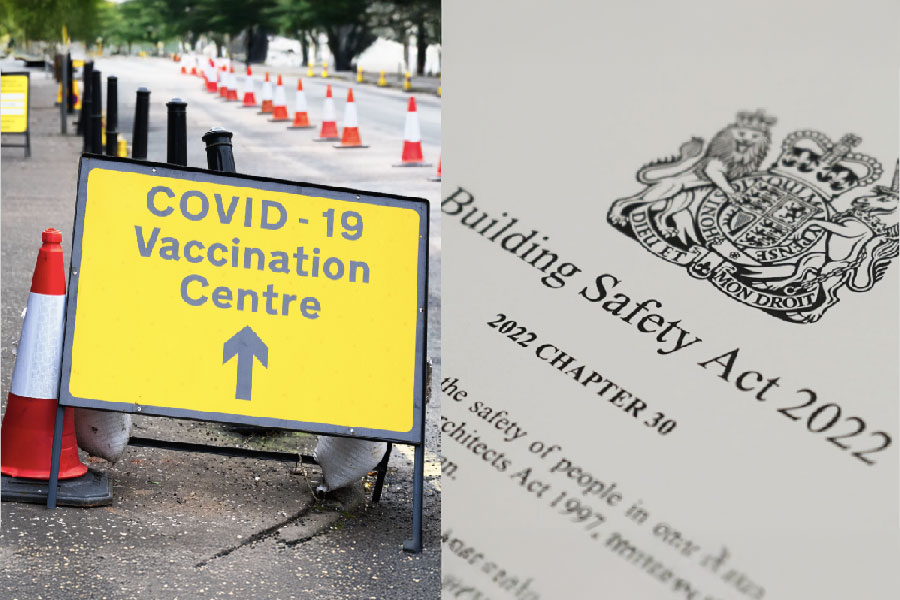
The tragic combination of the Grenfell Tower fire in June 2017 and the COVID-19 pandemic beginning in March 2020 has fundamentally reshaped priorities, not just for architects but for everyone for whom they design. These events highlighted vulnerabilities in fire safety, public health, and building design, sparking demands for safer, healthier, and more adaptable spaces.

Similar to the transformative impact of the Great Fire of London in 1666 and the Black Death plague in the 14th century, which reshaped urban planning, building materials and sanitation, these modern crises have set a precedent for resilience and responsibility in the built environment.

The impact of The Great Fire of London (1666) alone created 5 monumental changes to London and the world. It transformed the city with lasting impacts on safety, urban planning, and architecture.

Resonating with The Building Safety Act 2022The 1667 Rebuilding Act mandated fire-resistant materials like brick and stone, introduced new street layouts to prevent fire spread, and improved firefighting with early water plugs. It allowed Sir Christopher Wren to rebuild St Paul’s Cathedral, symbolising London’s architectural renewal.

The fire also led to the creation of the first property insurance company and laid the foundation for modern fire brigades, shaping safety standards that still influence cities today.

In a similar way, The Black Death in the 14th century profoundly transformed hygiene practices and public health systems, many of which remain relevant today.
The devastation underscored the dangers of poor sanitation, prompting cities to develop waste management systems and cleaner urban environments. It also introduced the concept of quarantine, derived from the Italian word “quaranta,” meaning “forty,” referring to the 40-day isolation period imposed on ships arriving in Venice to prevent the spread of the plague.

This practice laid the foundation for modern disease control. Increased awareness of personal cleanliness emerged as people began linking hygiene to health, and governments started investing in public health infrastructure, including clean water systems and pest control. Additionally, the plague inspired the early study of disease transmission, shaping the field of epidemiology and the development of hygiene regulations that continue to protect public health.

Hygiene and Fire Safety: Foundational Principles in Modern Design

The increasing focus on health, safety, and sustainability has reshaped the priorities of architectural design, with hygiene and fire safety emerging as critical considerations. As regulations tighten and public awareness grows, architects and designers are tasked with ensuring that their projects not only comply with stricter fire safety standards but also address public health challenges head-on. This shift has driven a transformation in urban and building design, emphasising resilience, adaptability, and occupant well-being. In this context, creating environments that are safe from fire risks while promoting hygiene is no longer a choice but a necessity, ensuring that spaces are prepared to meet future challenges and safeguard what matters most. 

The Role of Compartmentation in Fire Safety

Fires evolve over time, with heat and smoke spreading rapidly unless contained. This is where compartmentation becomes critical. By dividing buildings into fire-resistant sections, it minimizes fire spread and creates safe evacuation routes.

Key Elements of Compartmentation:
  • Fire Doors: Slow the spread of fire and smoke, enabling safe evacuation.
  • Fire-Resistant Walls & Floors: Provide barriers for 30, 60, or 90 minutes to protect escape routes.
  • Ceiling & Smoke Barriers: Contain heat and prevent flashover in adjacent spaces.
When combined with compliant fire-rated materials, compartmentation safeguards lives and minimises property damage, offering a robust first line of defence against fire hazards.

Hygienic Fire Protection: Where Safety Meets Cleanliness 

Modern environments demand more than just fire resistance—they must also address hygiene and health concerns, particularly in high-contact areas like healthcare facilities, schools, and offices. 

Innovative Hygienic Fire Protection Features:

  • Hygienic Fire Doors: Offer fire resistance with antimicrobial coatings, reducing bacteria and virus spread.
  • Seamless, Non-Porous Surfaces: Easy-to-clean materials ideal for sterile environments.
  • Airborne Pathogen Control: Controlled ventilation paired with compartmentation improves air quality.
  • Moisture & Mould Resistance: Prevents structural damage and health risks from mould.
By combining fire safety with hygiene-focused materials, you create environments that are not just safe but also conducive to health and well-being. 

Why This Matters More Than Ever

The Grenfell Inquiry and ongoing updates to regulations like the Building Safety Act and Part B of Approved Documents highlight the critical need for enhanced fire containment strategies. Simultaneously, lessons from global health crises emphasize the importance of hygiene in shared spaces.

BePlas’s CPD, “Protecting What Matters” empowers professionals with the knowledge and tools to meet these dual challenges.

What You’ll Learn

  • Updates on fire safety regulations, including changes to testing standards and the phase-out of BS 476.
  • The role of architects in robust specification and compliance with modern fire and hygiene requirements.
  • How to integrate fire-rated, hygienic materials into your designs for future-proof buildings. 
 

Book Your In-Practice CPD Session

Ready to protect what matters most in your projects? Gain practical insights, stay ahead of regulations, and learn how to deliver safer, healthier buildings.

For more information on Protecting What Matters: 
Fire Safety & Hygienic Environments:
A Unified Approach talk to Be-Plas Hygienic Walls and Ceilings Ltd

Enquire Now

  Please wait...

Location for : Listing Title