 Add My Company


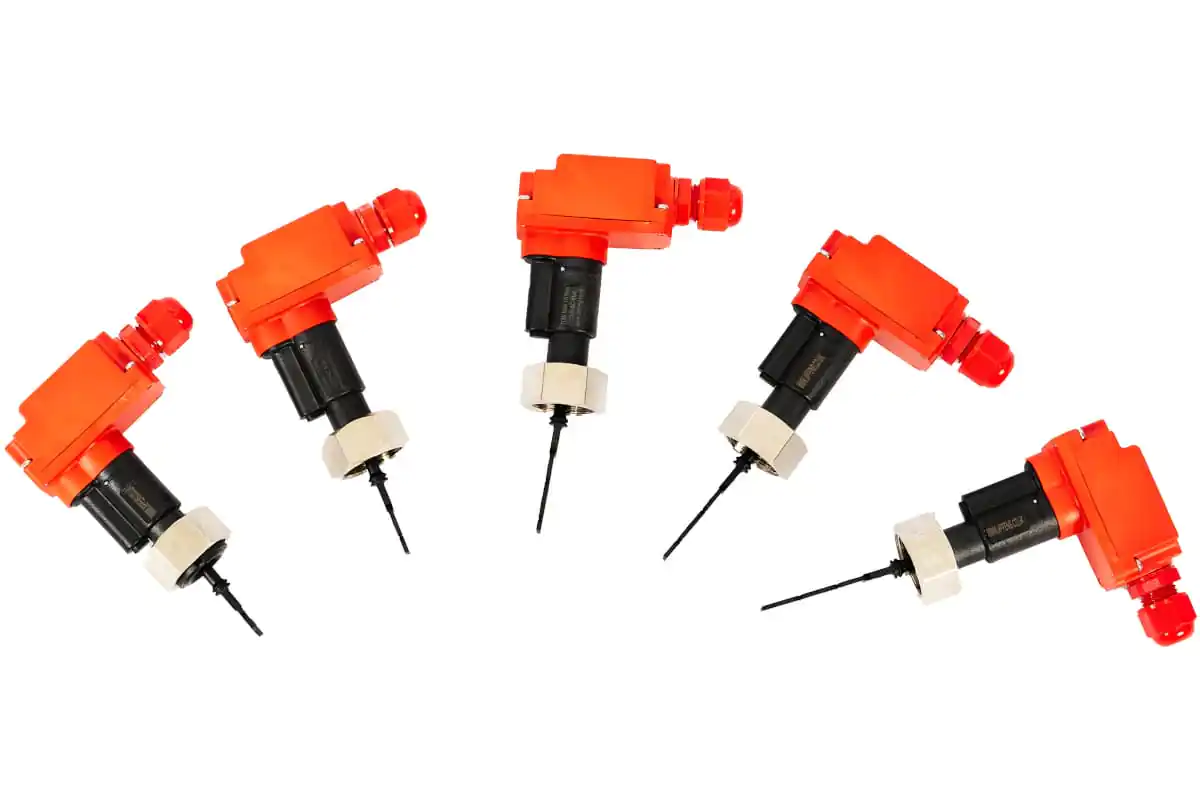
A fire sprinkler flow switch detects water movement in the pipework and signals the fire alarm control panel. Under BS 9251:2021, residential sprinkler systems require an annual inspection and service, plus automatic weekly pump testing. If testing highlights any issues, a priority assessment of all components is essential to restore legal compliance.
A sprinkler system is only as reliable as its components, and the flow switch is one of the most critical. Understanding how to test it correctly is more than good practice—it can be life-saving.
What is a flow switch and why is it important?
A flow switch monitors the flow rate of liquid (or gas) in the sprinkler system. When water moves through the pipework and reaches a set threshold, the switch activates and triggers the fire alarm. It does not control the water supply; it confirms that water is flowing and initiates the required alarm action. In a home, this ensures any sprinkler activation is detected immediately, speeding up the response and alerting occupants.
Flow switch testing: the drain valve method
This test simulates real fire conditions without operating sprinkler heads.
-
Record static pressure
Note the resting pressure on the gauge. Many residential systems sit around 2.5–4 bar (your system may differ—use the commissioned figures as your reference). -
Open the drain valve
Discharge to a suitable container. Larger systems may need a longer discharge to create sufficient flow. -
Confirm activation
As water flows, system pressure should drop, the flow switch should trigger, and the pump should start—mirroring a real alarm condition. -
Restore and verify
Close the drain valve. The gauge should return to its original pressure (or the correct pressure for your building height). If it does not recover fully, investigate immediately.
Additional checks during testing
-
Building changes: Ensure layout alterations haven’t compromised sprinkler coverage or access.
-
Water supply: Confirm tank levels or mains supply are adequate.
-
Pressure reference: Compare today’s readings with commissioning data.
-
Weekly pump test: Remember the automatic pump test is separate from the annual service.
If any element is questionable, contact a qualified service provider without delay.
Legal requirements (BS 9251:2021)
Homes with sprinkler systems must have them inspected and serviced annually. Flow switches are tested as part of this routine. Insurers scrutinise maintenance records; neglecting tests can risk invalidating cover and may leave you personally liable after a fire. The Regulatory Reform (Fire Safety) Order 2005 places responsibility for fire safety on the responsible person—proper maintenance is therefore a legal obligation.
Signs your system is working correctly
-
The pump starts automatically when the drain valve is opened.
-
Pressure drops during discharge and returns to normal after the valve is closed.
-
The flow switch activates and the fire alarm is triggered.
Warning signs that need urgent attention
-
The pump fails to start during the test.
-
Pressure does not return to the original range.
-
Persistent low pressure compared with commissioned values.
-
The alarm does not activate despite adequate water flow.
-
Visible leaks or damaged gauges/valves.
Choose quality components
Accurate testing depends on reliable parts: pressure sensors, gauges, drain valves and flow switches must perform correctly. Inferior components (including level switches, temperature sensors and solenoid valves) can produce misleading results and mask faults, increasing risk and potential cost.
When replacing or upgrading, select industry-approved, high-quality products from established suppliers such as Applications Engineering.
Professional support
While this guide helps you understand the process, comprehensive testing should be carried out by qualified engineers. Professionals can spot subtle issues, verify compliance with BS 9251:2021 and provide the documentation insurers expect.
Ready to improve confidence in your system? Applications Engineering supplies high-quality flow switches and sensors for demanding fire safety applications. Our ISO 9001-certified products deliver the accuracy and reliability essential for effective flow switch testing. Contact our team to discuss your fire safety component requirements.
For more information on How to Test a Flow Switch: Guidance for Homeowners talk to Applications Engineering Limited