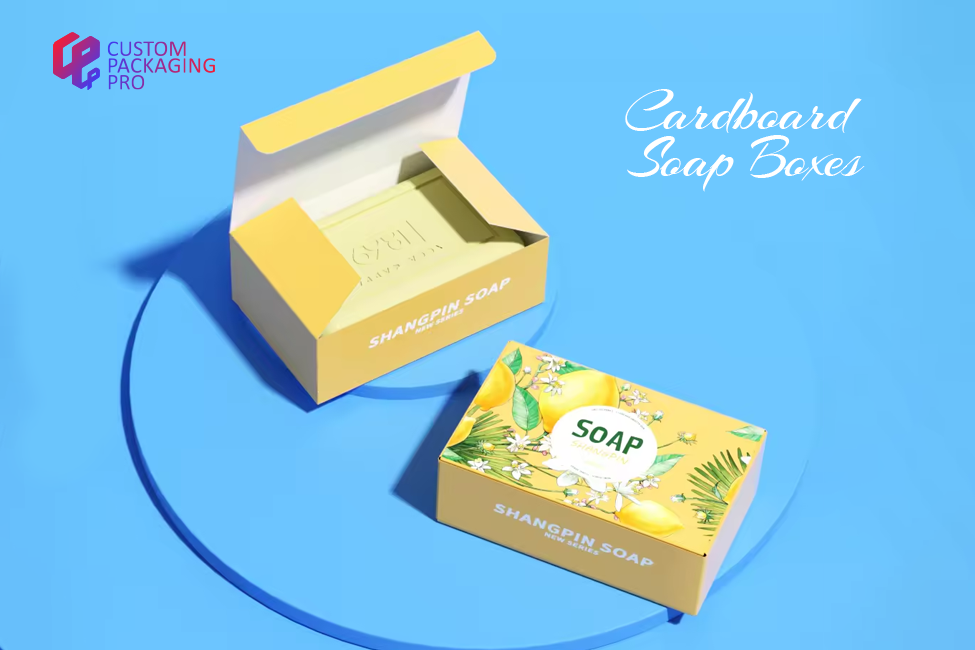
Cardboard Soap Boxes: Durable, Customisable, and Eco-Friendly Packaging
Packaging is a crucial aspect of any product's identity, and when it comes to handmade or luxury soaps, Cardboard Soap Boxes have emerged as a popular choice. Besides protecting the product, they offer a sustainable and visually appealing solution that enhances branding and captures customer attention. This blog explores the benefits, types, and trends in cardboard soap box design to help your business make an informed choice.Packaging is a crucial aspect of any product's identity, and when it comes to handmade or luxury soaps, Cardboard Soap Boxes have emerged as a popular choice. Besides protecting the product, they offer a sustainable and visually appealing solution that enhances branding and captures customer attention. This blog explores the benefits, types, and trends in cardboard soap box design to help your business make an informed choice.
The Role of Cardboard Soap Boxes
Cardboard soap boxes serve a dual purpose protection and presentation. They shield soap from physical damage, contaminants, and moisture during storage and transit, ensuring the product reaches consumers in perfect condition. Additionally, well-designed cardboard packaging boosts the soap's aesthetic appeal and acts as a canvas for showcasing branding elements like logos, colours, and product details.
For retail purposes, these boxes also enhance shelf presence. Their customisable nature allows businesses to create eye-catching designs that help products stand out in shops or online stores, further influencing purchasing decisions.
Benefits of Using Cardboard for Soap Packaging
Cardboard Soap Boxes provide numerous advantages, making them a preferred choice for businesses committed to quality and sustainability.
Eco-Friendliness
With increasing environmental consciousness, cardboard stands out as a biodegradable and recyclable material. Opting for cardboard reduces waste and demonstrates a brand's commitment to sustainability, earning customer trust and loyalty.
Customisability
Whether you want vibrant prints, embossed textures, or minimalist designs, cardboard soap boxes offer endless customisation options. Their surface can easily accommodate branding elements like product descriptions, logos, intricate artwork, and even special textures, allowing businesses to create packaging that aligns with their identity.
Cost-Effectiveness
Cardboard is an affordable packaging material, especially for bulk orders. Despite its low cost, it offers durability and versatility, resulting in a premium look without breaking the bank.
Durability
Despite its lightweight nature, cardboard is surprisingly sturdy. It provides ample protection for delicate soaps, maintaining their shape and preventing damage during transport or storage.
Types of Cardboard Soap Boxes
Different designs cater to various soap packaging needs, ensuring that businesses can find a style that fits their product perfectly.
Windowed Soap Boxes
Windowed cardboard boxes feature a clear opening, often made from biodegradable plastic or plant-based film that enables customers to view the Herbal Soap Boxes without opening the packaging. This design is ideal for showcasing attractive colours, textures, or unique shapes.
Sleeve Packaging
Cardboard sleeves slide snugly over the soap, leaving one or more sides exposed. This packaging style strikes a balance between protection and visibility, creating a chic, modern appearance.
Tuck-End Boxes
These traditional boxes are easy to assemble and highly secure. They come in various styles, including straight- or reverse-tuck closures, and are adaptable for personalised printing and branding.
How Cardboard Soap Boxes Enhance Branding
Cardboard soap boxes aren't just functional—they're also an excellent vehicle for branding. From vibrant prints to subtle embossing, these boxes offer multiple ways to communicate a brand's personality visually. For premium soaps, incorporating luxurious finishes like foiling or UV spot treatments can elevate a product’s perceived value.
Personalised elements, such as thank-you notes or QR codes linking to eco-initiatives, can also create deeper customer connections. A cohesive design not only enhances the unboxing experience but also builds brand recall, ensuring that your Black Soap Boxes resonates with consumers long after purchase.
Trends in Cardboard Soap Box Design
Soap packaging evolves in tandem with consumer preferences, and businesses are now adopting innovative approaches to meet the modern demands.
Minimalist Aesthetics
Less is more when it comes to contemporary design. Sleek, understated packaging with clean lines and neutral tones appeals to a wide audience while reflecting sophistication and quality.
Sustainable Materials
Cardboard made from recycled or FSC-certified sources appeals to environmentally conscious consumers. Many brands are also phasing out synthetic coatings in favour of compostable alternatives, further reducing their ecological footprint.
Interactive Packaging
Engaging elements like scannable QR codes or augmented reality (AR) integrations are gaining traction. These additions provide additional value by offering customers tutorials, stories about sourcing materials, or loyalty programmes.
Biodegradable Boxes: A Sustainable Solution for Packaging
Boxes are an eco-friendly alternative to traditional packaging options made from plastic or other non-degradable materials. As global awareness of environmental issues such as pollution and waste continues to grow, biodegradable packaging has gained significant attention in the packaging industry. These Biodegradable Boxes break down naturally over time through the action of microorganisms, making them a more sustainable choice that reduces environmental impact.
What Are Biodegradable Boxes?
Biodegradable boxes are made from materials that can decompose naturally when exposed to environmental factors like moisture, heat, and air. Unlike conventional plastic packaging, which can take hundreds of years to break down, biodegradable boxes are designed to return to the earth in a relatively short period. This is achieved using plant-based materials such as paper, cardboard, or bioplastics, which are either made from renewable resources or designed to be compostable.
Common materials used for biodegradable boxes include:
• Recycled Paper and Cardboard: These materials are widely used in biodegradable box production due to their ability to break down easily in landfills. They also come from sustainable sources, reducing the environmental impact of deforestation.• Cornstarch and PLA (Polylactic Acid): These are bioplastics derived from plant-based materials like corn. PLA is commonly used for making Retail Boxes and containers, especially for food packaging, due to its ability to decompose under composting conditions.• Mushroom Packaging: An innovative alternative, mushroom packaging is made from mycelium (the root structure of mushrooms) and agricultural waste. This type of packaging is not only biodegradable but also highly sustainable, as it requires minimal energy to produce.
Environmental Benefits of Biodegradable Boxes
The most significant benefit of biodegradable boxes is their reduced environmental impact. Traditional plastic packaging contributes to a growing waste problem, with plastic taking centuries to break down and harming wildlife in the process. Biodegradable packaging, on the other hand, decomposes naturally and safely, preventing long-term pollution.
Some of the key environmental benefits of biodegradable boxes include:
Reduced Landfill Waste: Biodegradable boxes break down naturally in landfills, meaning they contribute less to the overwhelming problem of waste accumulation. As they decompose, they also produce fewer harmful emissions compared to plastic.
Lower Carbon Footprint: The production of Flip Top Boxes often has a lower carbon footprint than plastic. Materials like paper and cardboard require less energy to produce, and bioplastics are made from renewable resources, which reduce dependence on fossil fuels.
Less Harm to Wildlife: Unlike plastic, which can take hundreds of years to break down and is harmful to wildlife, biodegradable boxes do not pose a long-term threat to animals. As they decompose, they are absorbed back into the environment without causing harm to ecosystems.
Compostability: Some biodegradable boxes are fully compostable, meaning they can be added to compost piles where they break down into natural, organic matter. This process enriches the soil rather than creating waste.
Biodegradable Boxes in Packaging and Industry
Biodegradable boxes are being increasingly adopted by businesses across various industries, especially those in food, cosmetics, and retail. The growing demand for environmentally conscious packaging has prompted many companies to shift away from traditional plastic options in favor of biodegradable alternatives.
• Food Packaging: Biodegradable boxes are commonly used for packaging takeout food, snacks, and beverages. Materials such as cornstarch-based PLA and recycled cardboard are often used to create containers that are not only biodegradable but also safe for food contact.• Retail and E-Commerce: In the retail industry, biodegradable boxes are used for shipping products and packaging retail goods. Companies offering eco-friendly products often opt for biodegradable packaging to align with their brand’s sustainability message. This is particularly true for businesses that cater to environmentally conscious consumers.• Cosmetics and Personal Care: Many cosmetic brands are now opting for biodegradable boxes to reduce their carbon footprint. These boxes are not only sustainable but can also be designed to appeal to eco-conscious consumers, enhancing the brand's image and reputation.
Challenges of Biodegradable Packaging
While biodegradable boxes offer numerous environmental benefits, they are not without challenges. The main issue is that, for these boxes to fully break down, they require the right environmental conditions—such as moisture, temperature, and the presence of microorganisms. In a landfill, where these conditions may not be optimal, Incense Boxes might take longer to break down than expected.
Additionally, biodegradable materials can sometimes be more expensive to produce than plastic packaging, which can deter smaller companies or those with tight budgets from making the switch. There is also the issue of contamination; biodegradable boxes that are mixed with non-biodegradable materials can slow down the decomposition process or cause other environmental problems.
Biodegradable boxes represent a promising step forward in reducing the environmental impact of packaging. They offer a more sustainable and eco-friendly alternative to plastic, helping businesses meet consumer demand for environmentally conscious solutions. While there are challenges to consider, the growing adoption of biodegradable packaging, combined with advancements in materials and technology, suggests a bright future for sustainable packaging. As the global push for sustainability continues, biodegradable boxes will play an essential role in the movement toward a cleaner, greener planet.