 Get Listed


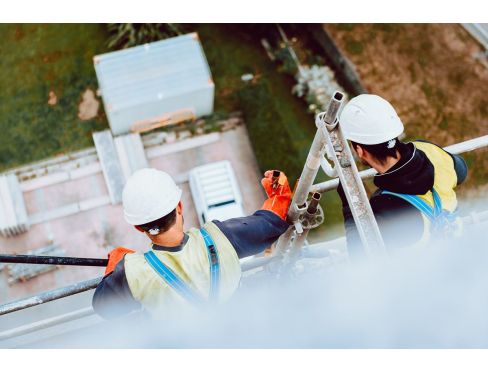
Working at height is a common necessity in construction, maintenance and renovation projects. Choosing the right equipment, whether a ladder or scaffolding, can significantly impact the safety and efficiency of a project. At TopTower, we have often seen contractors neglect to consider scaffolding as an option, with ladders seen as the go to solution for accessing elevated areas, and although ladders are often appropriate, sometimes it can be a mistake to overlook the benefits of mobile and DIY Scaffolding.
Here’s why:
- Scaffolding and Ladders: The Benefits
Before discussing the specifics, it's essential to understand the fundamental differences between scaffolding and ladders:
|
Ladders |
Scaffolding |
|
|
The Limitations of Ladders
Ladders are lightweight and portable, making them suitable for quick access to heights. However, they come with inherent limitations:
- Limited Stability: Ladders can be unstable, especially on uneven ground, increasing the risk of falls.
- Restricted Workspace: The narrow standing area on a ladder can limit movement and make it challenging to carry tools.
- Short Term Use: Ladders are ideal for brief tasks but are less suitable for prolonged work at height.
For tasks that require extended periods of work, frequent movement, or the use of tools and materials, scaffolding provides a safer and more efficient alternative.
When to Choose Scaffolding Over a Ladder
1. Painting large or multi storey structures
Painting tasks often require workers to reach significant heights and maintain stability over extended periods.
Scaffolding provides a spacious platform that allows decorators to move freely, carry tools, and access all areas without the need to reposition equipment constantly. This setup is particularly beneficial for painting the exteriors of buildings, bridges, or other large structures.
There will also be a greater level of safety as painters will be able to maintain their grip on their equipment without needing to maintain contact with the ladder.
2. Roof repairs
Roof repairs involve working on inclined surfaces, which can be hazardous. Scaffolding offers a stable and secure platform, reducing the risk of falls. Additionally, scaffolding allows workers to carry tools and materials up to the roof, minimising the need for multiple trips.
3. Window cleaning and high level maintenance
Tasks like window cleaning on multi storey buildings require workers to access elevated areas safely. Scaffolding provides a secure platform with guardrails, ensuring workers' safety while allowing them to carry out their tasks efficiently.
This can likewise increase the safety of the public as workers are less likely to drop equipment, and will have a more stable surface to work on.
4. Electrical work
Electrical installations often require workers to access overhead areas. Scaffolding offers a stable platform that can be adjusted to the required height, providing a safe environment for electricians to work.
The Advantages of Mobile Scaffolding
Mobile scaffolding combines the benefits of traditional scaffolding with enhanced mobility. Equipped with wheels, mobile scaffolds can be easily moved across a site, making them ideal for tasks that require frequent repositioning.
They offer:
Quick assembly and dismantling:
Mobile scaffolds can be set up and taken down rapidly, saving time on projects with tight schedules.
Enhanced safety features:
Many mobile scaffolds come with guardrails, stabilisers, and locking mechanisms to ensure stability and prevent accidents.
Cost effectiveness
By reducing the need for multiple ladders and providing a reusable platform, mobile scaffolds can lower overall project costs.
Versatility:
Suitable for both indoor and outdoor tasks, mobile scaffolds can be used in various industries, from construction to maintenance and event setup.
Safety Considerations
When choosing between a ladder and scaffolding, it is always recommended that you take into consideration how safe either option is for the task at hand. Whichever you choose, here are some safety tips for each:
Ladder Safety Tips
Ladders undoubtedly have a number of safety considerations, but this doesn’t mean they are always unsuitable for the job, as long as you:
- Regularly check for defects such as cracks, loose rungs, or slippery feet.
- Ensure the ladder is on a stable, level surface and positioned at the correct angle (1:4 ratio).
- Maintain three points of contact (two hands and one foot, or two feet and one hand) while climbing.
- Do not exceed the ladder's maximum weight capacity.
Scaffolding Safety Tips
Scaffolding may appear safer, but you should always observe the following practices:
- Only trained professionals should assemble scaffolding to ensure stability and compliance with safety standards.
- Conduct daily inspections to check for any signs of wear, damage, or instability.
- Ensure all platforms have guardrails and toeboards to prevent falls and falling objects.
- Use proper access points like ladders or stairways to enter and exit scaffolding platforms safely.
If you’re working at height and are unsure about the most appropriate equipment for the parameters of the work, TopTower are happy to discuss the options available to you. We offer a wide selection of portable scaffold towers, ladders, and ladder accessories to help keep your team as safe as possible for the duration of the project. You can browse our wide selection of products on our website, or get in touch with us to learn more.
For more information on When is Scaffolding More Appropriate than a Ladder? talk to Toptower Ltd