 Get Listed

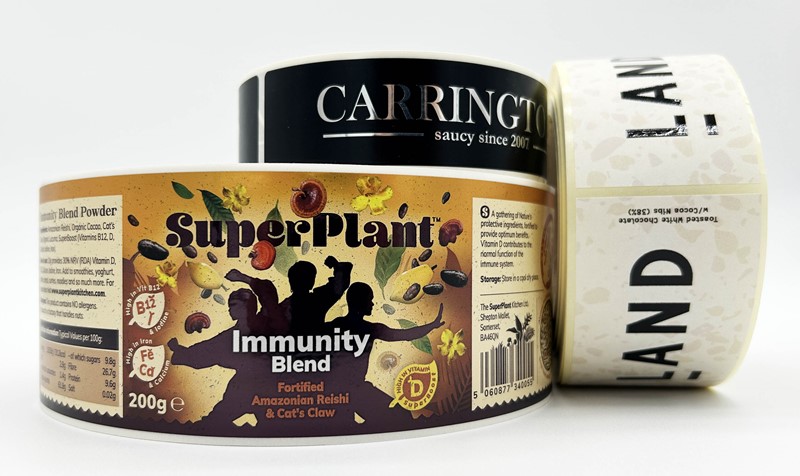
Not every product comes in a simple, flat-sided package. Bottles, jars, tubes and specialist components can all present unique labelling challenges, particularly when surfaces are curved, textured or made from materials that are difficult for labels to adhere to.
A label that looks perfect on screen may not perform as expected once applied to the actual product. This is why the shape, surface and intended use of the packaging should all be considered when choosing a labelling solution.
Why Curved Surfaces Can Be Challenging
Applying a label to a curved surface requires careful consideration of its dimensions and flexibility. If a label is too large or made from an unsuitable material, it may lift at the edges, crease or fail to sit smoothly against the container.
This is particularly important for bottle labels, where the shape and diameter of the container can influence the finished result. A label needs to complement the packaging while remaining securely in place throughout the product’s intended lifespan.
Accurate measurements and the right material specification can make a significant difference to both appearance and performance.
Textured Surfaces Require the Right Adhesive
Not all packaging provides a completely smooth surface. Textured plastics, certain glass finishes and other specialist materials can reduce the amount of direct contact between the label adhesive and the product.
In these situations, selecting the correct adhesive is essential. Professionally produced self adhesive labels can be specified according to the surface and application, helping achieve more reliable adhesion than a one-size-fits-all approach.
Environmental conditions also matter. Exposure to moisture, changing temperatures or regular handling can place additional demands on the label and adhesive.
Unusual Shapes Need Careful Planning
Products with tapered sides, irregular contours or limited labelling space may require a more tailored solution. The shape of the label itself can be adapted to complement the packaging and avoid areas where creasing or lifting is more likely.
Professional custom label design should consider how the finished label will physically interact with the product, rather than focusing solely on how the artwork appears as a flat image.
Testing dimensions and materials before committing to a larger production run can help identify potential issues early.
Clear Materials Can Present Their Own Challenges
For brands seeking a clean, minimalist appearance, transparent labels can create an attractive effect that allows the product or packaging beneath to remain visible.
However, transparent materials require careful consideration of artwork, print colours and the surface underneath. The finished appearance can vary depending on the colour and transparency of the container, making professional planning particularly important.
Finding the Right Label for the Product
Successful labelling starts with understanding the product itself. The shape, surface material, storage environment and way the item will be handled can all influence the best solution.
At Superfast Labels, we help businesses choose labels that not only look the part but are also designed to perform on the intended packaging. If you need labels for a curved, textured or unusual surface, contact our team to discuss your product and find a solution tailored to its specific requirements.
For more information on The Challenges of Labelling Curved, Textured and Unusual Surfaces talk to Superfast Labels