 Get Listed

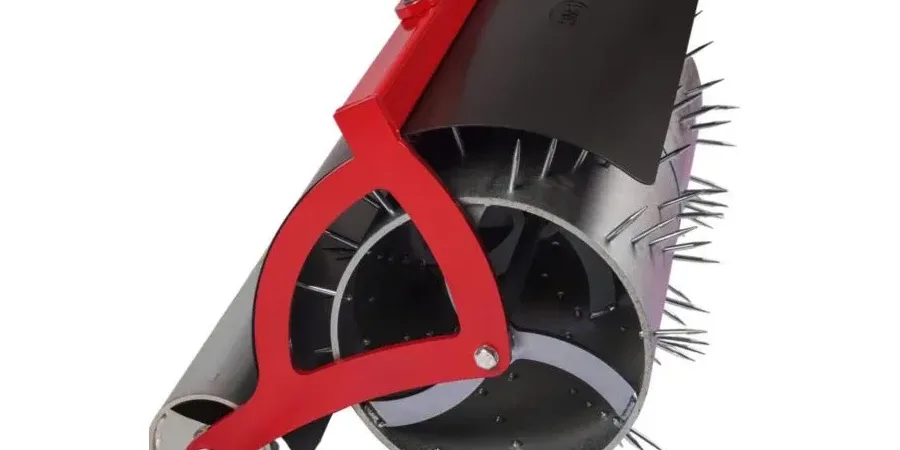
Sportsmark Group Ltd's guide to spiking rollers explains how shallow aeration can support the condition of natural sports turf without the disruption associated with deeper treatments. The equipment creates closely spaced holes across the surface, helping air, water and nutrients move into the upper soil profile.
The approach is relevant to football and rugby grounds, cricket squares, bowling greens, tennis courts and golf greens. Sportsmark describes it as part of routine surface care, particularly where regular play, foot traffic or seasonal conditions affect the turf.
What a spiking roller does
A Sarel roller perforates the upper surface as it moves, creating small channels rather than removing cores or penetrating deeply into the soil. Those openings can improve water movement and aeration around the roots while leaving relatively little visible disturbance. The treatment serves a different purpose from deep-tine aeration and should be considered within the grounds team's wider maintenance programme.
Sportsmark's rollers use high-tensile steel spikes and are designed to limit tearing during use. Replaceable spikes allow worn components to be renewed, and a transport roller permits movement over hard surfaces without putting the spikes directly onto them.
Benefits for busy playing surfaces
Surface compaction can contribute to pooling water, restricted air movement and uneven turf performance. Micro-aeration opens the upper layer, supporting infiltration after rain or irrigation and providing more oxygen around the grass roots. Maintaining that upper profile can help the surface recover from regular use.
The perforations also provide small openings into which seed can settle during overseeding or repairs. Sportsmark identifies this as a useful part of recovery work on damaged patches. The relatively light surface disturbance allows the treatment to fit around busy fixture and training schedules more easily than some more intrusive operations.
The guide also connects turf condition with line marking. Upright, healthy grass provides a better surface for the application of grass paint. Aeration, turf care and marking should therefore be planned together rather than treated as unrelated jobs.
Select the working width for the site
The range includes a 300mm roller weighing 30kg, a 600mm roller at 54kg and a 900mm roller at 80kg. Width and weight need to suit the available access, the area being treated and how the equipment will be handled on site.
The 300mm model is intended for smaller areas, patch repairs and work around features such as wicket ends or goalmouths. The 600mm option provides wider coverage for greens, cricket squares, croquet lawns and tennis courts. The 900mm roller supports faster coverage on larger areas and regular contractor or professional grounds work.
The existing equipment on site, frequency of treatment and condition of the turf should also influence the choice. A wider tool is useful only where it can be moved and operated effectively within the facility.
Use conditions and technique
Before rolling, the grounds team should identify compacted patches, uneven growth and areas where water tends to collect. Straight, evenly spaced passes help give consistent treatment. A second pass on a diagonal can increase the density of holes in heavily worn areas where appropriate.
Sportsmark recommends working on slightly moist ground, which allows clean penetration. Very dry or saturated conditions can give poor results and make the operation less effective. During overseeding, rolling after seed application can encourage seed to settle into the openings.
Treatment frequency depends on the sport, surface condition and intensity of use. The guide describes weekly or fortnightly attention for some football and rugby situations, with greens and tennis surfaces requiring their own planned approach during active months. These examples should be adapted to the grounds team's assessment of the surface.
Keep the roller in working condition
Soil, grass and debris should be removed from the spikes after use. Worn or damaged spikes need attention, and the nylock nuts and other fixings should be checked before work begins. Secure components help maintain an even pattern and avoid losing parts during treatment.
Dry storage limits corrosion, while suitable lubrication of moving parts supports smooth operation. The roller should not be left on wet or soft ground for extended periods. Combined with routine inspection, these measures help keep it available through the season.
Sportsmark supplies Sarel rollers alongside turf-care tools, marking machines and other sports ground equipment. Its guide emphasises matching the tool to the site and making shallow aeration part of a consistent maintenance routine.
Source: Sportsmark Group Ltd
For more information on A GUIDE TO USING SPIKING ROLLERS FOR SURFACE MAINTENANCE talk to Sportsmark Group Ltd