 Get Listed

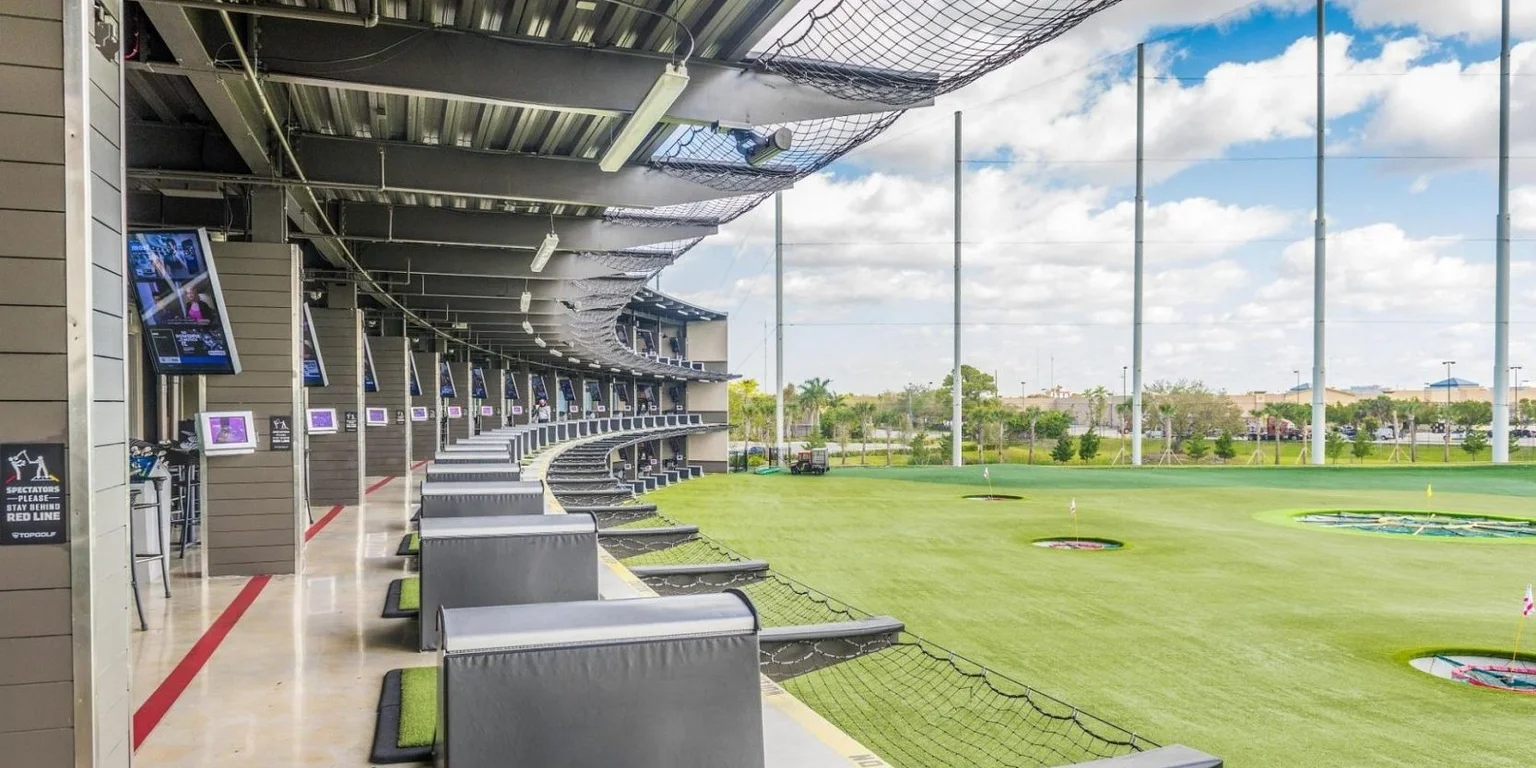
Golf netting should be selected around the shots, layout and surroundings of the facility it serves. Sportsmark's guide covers driving ranges, golf courses and smaller practice areas, with attention to installation, maintenance and the equipment used alongside the nets.
Containing stray balls helps protect neighbouring areas and supports a more predictable practice environment. The extent and position of the netting need to reflect the actual site; a portable practice enclosure and a high boundary system answer different requirements.
Assess the coverage required
Facilities should consider the directions and trajectories of balls, the areas that need protection and the available space. Height and length depend on the layout rather than a universal net size. Sportsmark describes installations ranging from low practice arrangements to much taller range-boundary systems, with custom specifications available.
Suitable netting helps keep balls within the intended area and can reduce interruptions during practice. It should form part of the facility's safety planning, with the supports and fixings considered alongside the mesh rather than chosen as separate accessories.
Choose material and mesh for the application
Sportsmark discusses UV-treated polyethylene and nylon for outdoor use, where repeated ball impact, sunlight and weather affect service life. The mesh needs to retain golf balls while providing suitable visibility for the application. The guide identifies 7/8in mesh as an option used for golf-ball containment.
Commercial ranges may need tailored dimensions and construction. Smaller residential or limited-space practice areas can use portable nets that provide a compact enclosure and a straightforward assembly arrangement. The system still needs to be appropriate for the intended use and installed to its requirements.
Inspect the whole structure
Nets should be checked for damage and wear, particularly after severe weather. Small defects need attention before they allow balls through or develop into a wider failure. Posts, anchors and other supporting components should be included in the inspection.
Appropriate mild cleaning removes dirt and debris, while tension and loose connections need to be addressed in line with the system's design. Regular care helps preserve the performance of the netting and the structure carrying it.
Balance budget with service life
Sportsmark supplies ball-stop netting, golf practice cages and nets in different sizes. The choice should reflect the coverage, portability and durability required, not simply the lowest initial price.
The guide also considers material use and sustainability. Durable, UV-treated products and reusable arrangements can help reduce avoidable replacement, while any recycling route depends on the material and the facilities available. The practical aim is a system that remains useful and can be maintained over time.
Coordinate the wider practice facility
Driving-range mats provide a consistent hitting surface and help protect the ground below. Ball dispensers can support daily operation, while tee-line markers help organise hitting positions. Clear signage assists navigation and provides information for players.
These items should work with the netting and the way the facility is supervised and maintained. Sportsmark supplies golf course and driving-range equipment with advice on selecting products for the site, budget and intended use.
Source: Sportsmark Group Ltd
For more information on A COMPREHENSIVE GUIDE TO GOLF NETS: THINGS YOU SHOULD KNOW talk to Sportsmark Group Ltd