 Get Listed

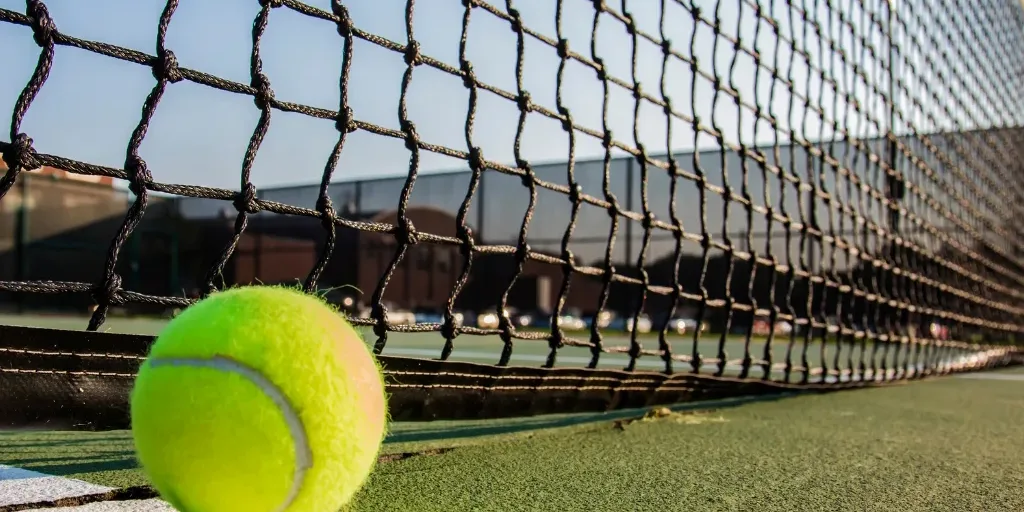
A tennis net should be selected as part of a complete court arrangement, with the posts, surround netting and windbreaks considered alongside it. Sportsmark Group Ltd's buying guide explains how materials, usage and maintenance influence the choice for schools, clubs and sports centres.
Sagging, damaged or poorly tensioned netting affects both presentation and play. A durable, compatible system can reduce repairs and replacement work, particularly on courts used frequently throughout the year.
Compare materials and construction
Outdoor nets need to tolerate moisture, UV exposure and repeated impact. Sportsmark discusses polyethylene and PVC-coated polyester as weather-resistant options, with twisted or braided twine available in different thicknesses.
The guide ranges from 2mm twine for lighter use to 2.5–3mm options for schools and community facilities and 3.5mm nets for more demanding club use. The required durability should be matched to the facility rather than assuming one thickness suits every court.
The top band also affects service life. Vinyl is durable and easy to clean, polyester provides strength and weather resistance, and canvas offers a traditional appearance but less weather protection. Reinforced edges and stitching help the net withstand tension and regular use.
Check the posts and tensioning arrangement
Posts supply the structure needed to hold the net at its intended height and alignment. Steel provides strength but needs protection from corrosion, while aluminium offers lower weight and corrosion resistance. Foundations, spacing and secure installation remain important whichever material is chosen.
The tensioning system should be practical to adjust and maintain. Centre straps and singles sticks may be needed as part of the arrangement. The guide identifies the familiar tennis heights of 3ft at the centre and 3ft 6in at the posts, with the appropriate width and setup checked for singles or doubles use.
Consider the surroundings
Surround netting helps contain stray balls, reduce interruptions and protect neighbouring areas. It can be particularly valuable at multi-court facilities or sites with limited space. Its material and installation should suit repeated impact and the outdoor environment.
Windbreak screens serve a different purpose. Dense mesh can reduce wind interference while allowing some airflow, and may also provide privacy and a consistent backdrop. Sportsmark discusses polypropylene and polyethylene options for exposed courts, with the choice guided by the location and the supporting structure.
Plan care over the season
Regular inspections should look for fraying, damage, loose attachments and changes in tension or alignment. Dirt can be removed using suitable mild cleaning methods. Posts and mechanisms also need checking, since a sound net cannot compensate for worn supports.
Protection during severe weather and taking down nets where appropriate over winter can reduce unnecessary exposure. The site's maintenance routine should account for both the net material and the demands of the installation.
Sportsmark recommends balancing use, player level, indoor or outdoor conditions and long-term value. The aim is to choose the net and supporting equipment together so the court remains practical to operate and maintain.
Source: Sportsmark Group Ltd
For more information on A COMPLETE BUYING GUIDE TO TENNIS NETS FOR YOUR FACILITY talk to Sportsmark Group Ltd