 Get Listed

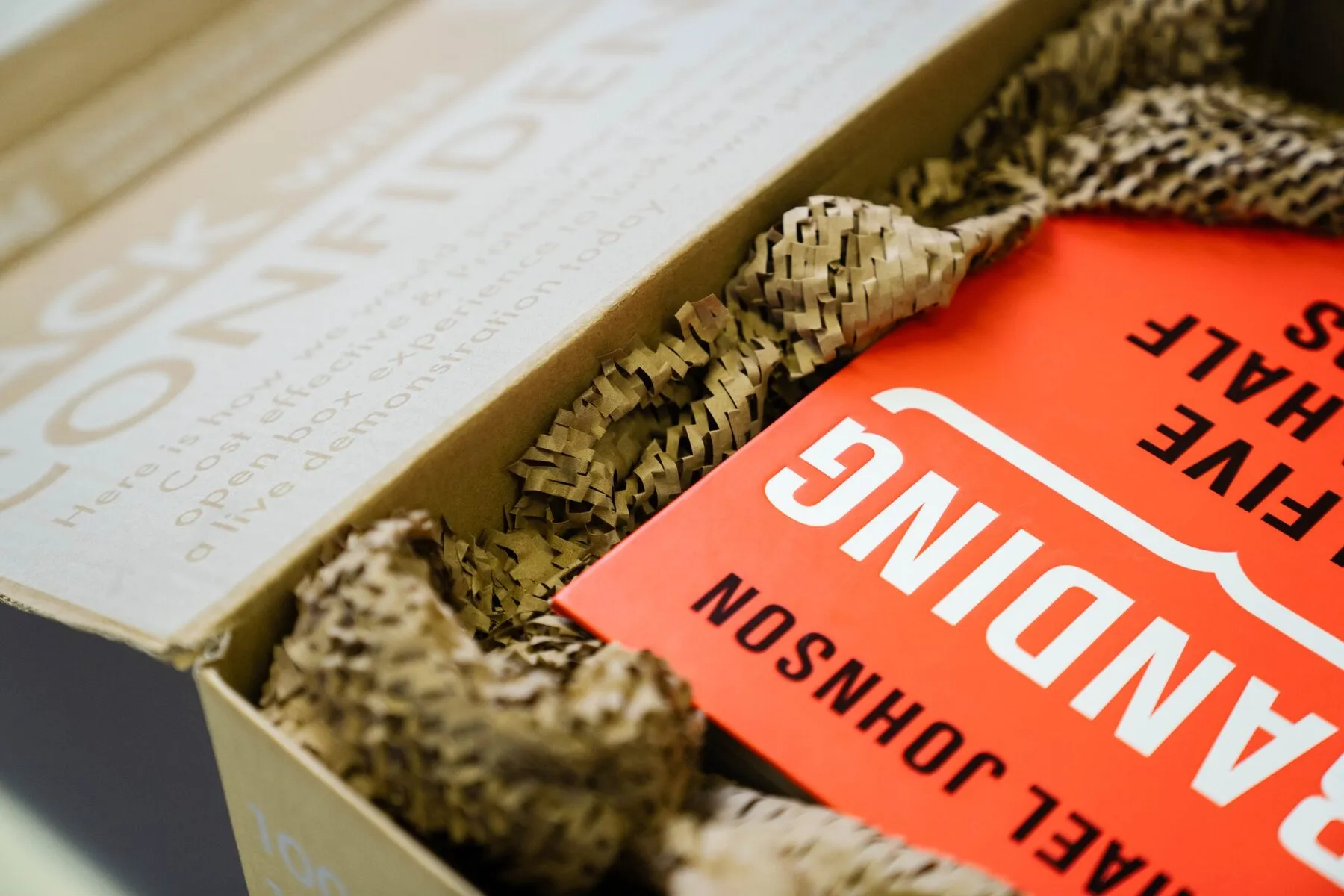
Severn Packaging is highlighting how paper-based protective packaging can help businesses reduce their reliance on plastic while maintaining product protection and efficient packing operations.
For busy fulfilment operations, particularly during seasonal peaks such as Black Friday and Christmas, changing packaging materials cannot come at the expense of packing speed or product protection.
Solutions including Hexcel Wrap, Hexcel MiniPack, Hexafil paper void fill, Protega paper pads and paper mailers provide different approaches depending on the weight, fragility and presentation requirements of the products being dispatched.
According to Severn Packaging, selecting the appropriate system and carefully positioning equipment around the packing bench can also help businesses control grams-per-order – the amount of packaging material used for each shipment.
What Is Protective Packaging?
Protective packaging includes the materials and systems used to cushion, stabilise or shield products as they move through packing and transportation.
The objective is to minimise product movement and absorb shocks while using an appropriate amount of material for the application.
For paper-based packaging, this can include honeycomb wrap around delicate products, paper void fill to prevent movement inside cartons and denser paper pads for heavier goods requiring additional bracing.
The most appropriate solution depends on factors including product weight, fragility, carton size and the required customer presentation.
Hexcel Wrap for Fragile and Giftable Products
Hexcel Wrap and Hexcel MiniPack are particularly suited to products such as cosmetics, candles, ceramics, jewellery, gifts and smaller electronic accessories.
The expandable honeycomb paper structure conforms around products, helping restrict movement while providing a neat presentation.
It can therefore provide a paper-based alternative to conventional plastic bubble packaging where appropriate.
Severn Packaging notes that businesses looking closely at packaging consumption should measure the actual amount of wrap required for adequate protection. The expansion of honeycomb paper does not by itself mean that less packaging will be used by weight, making grams-per-order a useful measure when comparing alternatives.
Correct dispenser placement can also make a significant difference to productivity. Keeping Hexcel within easy reach of the operator reduces unnecessary movement, while commonly used lengths can be prepared in advance for high-volume products where appropriate.
Hexcel MiniPack provides a more compact option for smaller packing benches or operations using several mobile packing stations.
Hexafil Paper Void Fill for Mixed Orders
For cartons containing a mixture of light-to-medium-weight products, Hexafil paper void fill can be used for blocking and bracing.
The paper creates cushioning within otherwise empty areas of a carton, helping restrict product movement during transportation.
For higher-volume operations, Severn Packaging highlights the benefits of Auto Hexafil, where preset paper lengths can be used to improve consistency between operators and shifts.
Rather than individual packers estimating how much material to pull for every order, presets can be matched to frequently used carton sizes.
This can support both packing speed and material control.
Positioning the outlet so that paper feeds directly towards the operator or into a conveniently located tote or bin can further reduce unnecessary movement at the packing bench.
Protega Paper Pads for Heavier Products
Where greater levels of bracing are required, Protega paper pads provide a denser protective packaging option.
They can be used to provide support around the corners, edges and bases of heavier, fragile or higher-value products.
Although individual pads may use more material than lighter void-fill solutions, Severn Packaging recommends considering the total amount of packaging required per order rather than simply comparing individual pieces.
A denser pad may, for example, allow the required level of protection to be achieved with fewer pieces.
For busy packing environments, pads can be fed into mobile bins positioned close to the packing benches, helping operators access the material without repeatedly leaving their work area.
Paper Mailers for Apparel and Soft Goods
Not every order requires a carton and void fill.
For products such as clothing, textiles, stationery and other suitable non-fragile goods, right-sized paper mailers can reduce the need for additional protective material.
Using an appropriately sized mailer can remove unnecessary empty space and simplify the packing process. Paper tape can also be selected according to the recycling requirements of the complete pack.
This approach can be particularly useful during periods with high levels of returns, including January and back-to-school exchanges.
Clear opening and resealing instructions can make returned goods easier to manage, while pre-staging mailers according to size can help maintain throughput during busy periods.
Choosing Paper Packaging During Peak Season
Different paper systems can perform different roles across a high-volume fulfilment operation.
During the Black Friday and Christmas period, Hexcel can provide a consistent presentation for giftable products, while Hexafil can handle higher-volume void-fill requirements.
Protega pads can be reserved for heavier seasonal products such as cookware or tool bundles, while paper mailers provide a relatively simple packing format for apparel and other soft goods.
The same flexibility can help during returns periods.
Mailers can be used to repackage suitable soft goods, Hexafil can support mixed accessory orders and Protega pads can provide additional protection where returned fragile or bulky products are being prepared for resale.
Controlling Grams-Per-Order
Moving from plastic to paper does not automatically mean packaging material is being used efficiently.
Severn Packaging recommends monitoring grams-per-order to understand how much protective packaging is actually being consumed for different order types.
For automated or semi-automated paper systems, standard lengths can be established for frequently used cartons. Operators can then add smaller increments where additional material is genuinely required rather than routinely overfilling packages.
Regular sampling can also help businesses identify where material consumption is increasing and adjust settings or working practices accordingly.
Packing Bench Layout Can Affect Throughput
The location of packaging equipment is another important consideration.
Dispensers positioned too far from the operator can introduce repeated reaching, walking and turning throughout a shift. Across hundreds or thousands of orders, these small movements can have a significant effect on productivity.
Severn Packaging recommends placing paper outlets within a short, comfortable reach and positioning foot controls so they can be operated naturally.
Paper mailers can be organised by size in easily accessible racks, while mobile bins can keep Protega pads close to multiple packing benches.
Short visual standard operating procedures can also help operators select the appropriate material and quantity consistently.
Combining Paper Packaging with Tabletop Bagging
Paper-first packaging can also form part of a mixed packaging line using automated or semi-automated bagging equipment.
Small components or apparel, for example, can first be packed using machine-compatible bags-on-roll before being placed into an appropriately sized carton or paper mailer.
Hexafil can then be used where additional blocking and bracing is required, while Hexcel provides an alternative for products requiring a more presentable protective wrap. Protega pads can remain available for heavier or particularly fragile items.
Where plastic bags are still used within the process, Severn Packaging points out that the resulting complete package should not be described as plastic-free simply because its outer protective packaging is paper-based.
A tabletop bagging machine can also be positioned alongside Auto Hexafil on mixed-SKU lines, reducing movement between sealing and void-fill operations.
Matching Protective Packaging to the Product
There is no single paper packaging system suited to every order.
For fragile or presentation-focused products, Hexcel Wrap can provide conforming honeycomb protection. Hexafil is suited to everyday void filling and blocking and bracing, particularly where standardised lengths can be introduced.
Protega pads provide denser protection for heavier or more demanding products, while paper mailers can minimise unnecessary material when dispatching suitable soft and non-fragile goods.
The key is to match the material to the product rather than applying the same packaging method to every shipment.
Paper-First Protective Packaging from Severn Packaging
For businesses looking to reduce plastic packaging, paper-based alternatives can provide several options without overlooking packing speed, product protection or material consumption.
Severn Packaging works with businesses to assess packaging materials, machinery and pack-bench workflows, including Hexcel protective wrap, Hexafil paper void fill, Protega pads and paper-based mailing solutions.
By testing materials against actual products and monitoring factors such as grams-per-order and packing throughput, businesses can make more informed decisions about where paper-based protective packaging provides the most practical alternative.
Severn Packaging can also provide packaging reviews, samples and on-bench trials to help businesses assess suitable materials and equipment before making wider changes across their packing operation.
For more information on Paper First, Plastic Less: Choosing the right paper-based protective packaging talk to Severn Packaging