 Get Listed


In modern manufacturing, the interface is no longer an afterthought—it is a defining feature of product quality, usability, and brand perception. From industrial control panels to medical devices, the point where users interact with technology must deliver consistent performance under real-world conditions. This is where performance-critical interface engineering is redefining expectations.
Unlike traditional approaches that treat overlays and keypads as simple printed components, this methodology focuses on engineering every layer of the interface to meet the demands of its environment. The result is a more reliable, durable, and user-focused product.
Moving Beyond Standard Printing
Historically, many suppliers have operated on a straightforward model: receive artwork, produce the component, and ship it. However, this approach often overlooks the environmental and operational challenges a product will face once deployed.
Performance-critical interface engineering takes a more comprehensive view. It considers factors such as chemical exposure, UV resistance, mechanical wear, and user interaction. Whether a device is used in a sterile healthcare setting or on a demanding construction site, each element—from materials to adhesives—is selected to ensure long-term performance.
This shift transforms the interface from a cosmetic feature into a fully engineered component that supports the product’s overall reliability.
The Hidden Cost of “Good Enough”
Choosing components based purely on cost can introduce significant long-term risks. A failing interface can lead to product downtime, increased returns, and potential compliance issues—particularly in safety-critical industries.
By addressing these risks during the design phase, performance-critical engineering helps eliminate failure points before production begins. This proactive approach reduces lifecycle costs and ensures that products perform as intended throughout their lifespan.
A Collaborative, Engineering-Led Approach
A key advantage of this methodology is the collaborative relationship between supplier and customer. Rather than simply fulfilling a specification, engineering-led providers work closely with design teams to refine and optimise solutions.
This may involve recommending alternative materials, improving durability, or identifying potential design flaws early in development. The result is a more robust and efficient product, supported by expert insight at every stage.
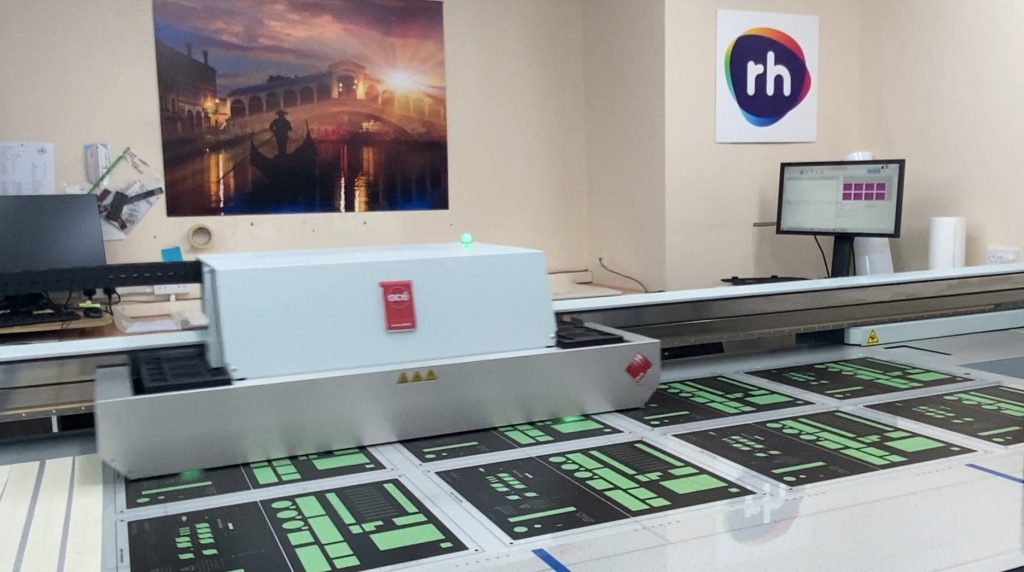
The Value of UK-Based Manufacturing
Working with a UK-based engineering partner offers additional benefits, including improved communication, shorter lead times, and greater transparency. Customers can engage directly with the teams responsible for design, production, and quality control, ensuring alignment throughout the project.
High manufacturing standards and accessibility also provide reassurance that every component meets strict performance and quality requirements.
Engineering Every Layer
A performance-critical interface is built through careful attention to detail across multiple layers:
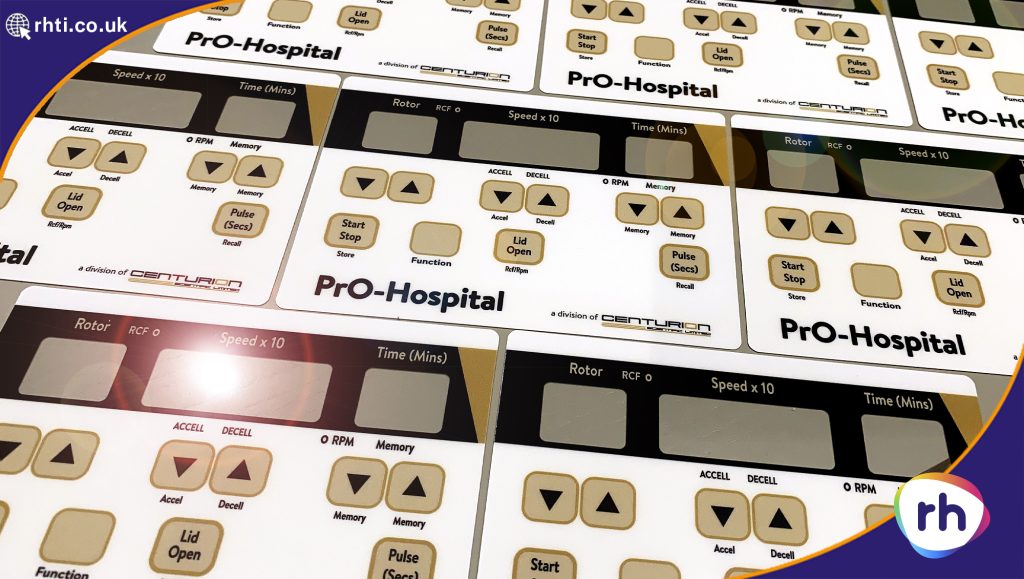
- Graphic overlays are produced using sub-surface printing to protect branding and ensure longevity.
- Spacer layers are precision-cut to deliver consistent tactile feedback.
- Circuitry is engineered for reliability, preventing issues such as electrical failure over time.
- Adhesives are selected based on the application surface to ensure long-term bonding strength.
Each layer plays a vital role in the overall performance of the interface, contributing to a seamless and dependable user experience.
Enhancing User Experience and Product Value
Beyond durability, engineered interfaces can elevate the overall feel and functionality of a product. Features such as tactile feedback, integrated backlighting, and antimicrobial coatings not only improve usability but also enhance perceived quality.
These details help products stand out in competitive markets, reinforcing brand reputation and user confidence.
A Future-Focused Approach
As products become more advanced and user expectations continue to rise, the demand for high-performance interfaces will only increase. Performance-critical interface engineering represents a forward-thinking approach that aligns design, functionality, and reliability.
By prioritising engineering over basic production, manufacturers can create interfaces that do more than look good—they perform consistently, withstand demanding environments, and contribute to long-term product success.
For businesses seeking to improve reliability, reduce risk, and deliver a premium user experience, this approach is quickly becoming the new industry standard.
For more information on Why Performance Critical Interface Engineering is the future of your products talk to RH Technical Industries Ltd