 Get Listed

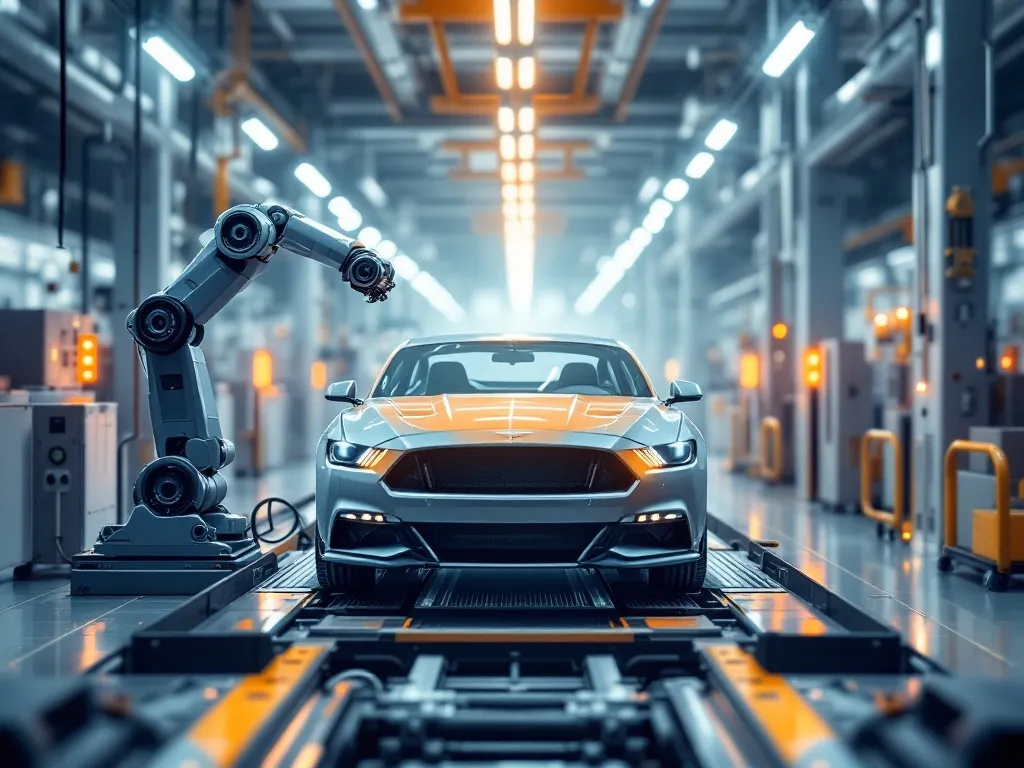
Manufacturing plays a crucial role in the economy of the European economy, with a significant portion of Europe’s exports and GDP coming directly from manufactured goods. In addition to generating income and revenue for Europe, driving the economic growth, the manufacturing sector positively impacts European countries in numerous other ways. The manufacturing sector is a significant source of jobs, employing millions of people across Europe and driving employment. This sector also creates innovation, with many European manufacturing companies contributing to technological advancements through their leading research and development. The EU also actively encourages the development of advanced manufacturing technologies, such as 3D printing and robotics, providing it with a competitive edge. Collectively, this enables Europe to holding a leading position in numerous manufacturing industries, enabling it to export the highest quality goods to countries all around the globe.
The largest manufacturing sectors in the EU
Europe thrives in many areas of manufacturing. Here are the top five manufacturing in sectors in the EU, the growth and current trends, as well as the challenges they face:
Food Products:
The food and beverage sector is the largest manufacturing sector in the EU. In 2024, the EU food and drink industry generated a turnover of €1.2 trillion and €250 billion in value added, accounting for a significant share of the total manufacturing production. In spite of economic uncertainty, inflation and supply chain issues, the EU food and beverage industry has remained stable, continuing to be the world’s largest exporter of food and drink products, supplying agricultural and processed food products globally. The EU food and drink industry employs 4.7 million people, with the food and drink industry being the biggest employer in manufacturing in half of the EU’s 27 member states. In the last 10 years exports of EU food and drink has doubled, although growth has slowed down.
Challenges:
Rising energy prices: The rising energy prices and new environmental regulatios are significantly impacting food processors, drastically increasing their operational costs. A large portion of the expenses of a food processor include refrigeration, heating and processing, all of which have become more costly with the increase in energy prices. This increase in production costs has led to decreased profit margins, with some plants struggling to remain profitable. As a result, some companies have been forced to increase prices for consumers, reduce production to operate at a lower capacity, invest in energy efficient equipment and technologies, or even close their businesses. In turn, this has led to a disruption of the overall supply chain.
Stricter packaging and sustainability regulations: Aimed at reducing packaging waste across the full life cycle of packaging, new regulations have been enforced with new requirements for packaging. This includes a minimum percentage of recycled content, minimising the weight and volume of packaging and minimising substances of concern, as well as restrictions on single-use packaging and both re-use targets and re-fill obligations. This has led to an increase in costs for manufacturers, who are now required to switch to more environmentally friendly materials and designs. The price of packaging has increased due to sustainable packaging such as recycled plastic and plant-based fibres, often costing more than traditional materials. In addition, manufacturing companies are also having to invest into research and design to adapt their existing designs and increase their compliance teams to ensure they can monitor and report on sustainability, and to manage any fines that arise for non-compliance.
Chemicals & Chemical Products:
The chemical industry is crucial for all industries, everything from agriculture to medicine, relies on the chemicals industry. Europe is the second largest producer of chemicals in the world (with Asia being the leader), in 2023 the EU generated almost €655.3 billion in chemical sales, meanwhile the revenue for the rest of Europe was more than €206.9 billion. The European Union is the largest exporter of chemicals worldwide, exporting approximately €225.1 billion in 2023, and registering a trade surplus of approximately €35 billion. Like most other sectors, the EU chemicals sector has faced major challenges in recent years, despite speciality chemicals such as those used in pharmaceuticals and electronics still being in high demand. Between 2013 and 2023, the sector saw a 9% decline in production value, a concerning trend for a core industry of Europe. In order to remain competitive, the industry will need to invest billions of euros and adapt to the expected transformations in the upcoming years, changing what it produces and the production process.
Challenges:
Changing EU environmental laws: These EU laws, especially the REACH regulation, are forcing the chemical industry to invest heavily in research and development in order to enhance production processes, reduce emissions, implement stricter risk management practices, demonstrate their safety and create more sustainable chemical solutions. Companies are therefore required to either invest in expensive upgrades, or even move their production overseas.
Rising energy costs: The EU chemical production sector has a high energy consumption, which means it is incredibly sensitive to fluctuations in energy price changes. This increase in energy costs inevitably leads to an increase in production costs, which then results in price increases for chemical products, a reduction in profitability and negatively impacts on global competitiveness.
Reduced investment: These new environmental laws and rising energy costs has caused uncertainty and has increased the risk for the new investors. As such, some major producers, including BASF, have already cut investment in Europe.
Fabricated Metal Products:
Referring to a category of manufactured goods that encompasses metal items such as structural metal components, fasteners, cutlery, hand tools, steel beams, reservoirs, components for vehicles and metal storage tanks that have been produced through processes such as forging, stamping, pressing and roll-forming, with finishing treatments added. Basically any metal product that doesn’t fall into the category of equipment or machinery. The EU fabricated metals industry has seen approximately 7% growth over the last decade, although this may not be a fast-growing sector, demand for EU-produced metal products remains strong. Especially as it plays a crucial role in other manufacturing sectors, such as construction, automotive and machinery. This industry benefits from continued investment in construction and infrastructure projects.
Challenges:
Fluctuations in raw material price: Raw materials fluctuate in prices, particularly materials such as steel and aluminium. This creates uncertainty in the industry, which potentially impacts on investment and may negatively impact upon profitability when materials costs are high.
New environmental regulations on emissions and waste disposal: As the world moves to become greener and more sustainable, businesses are expected to improve both their procedures and their tools and machinery. In order to achieve this, EU fabricated metals industry specialists (just like fabricated metals industries in other countries) are having to invest in new machinery, bigger teams to ensure the companies are meeting industry standards, and more environmentally friendly processes, all of which are increasing operational costs and reducing profitability.
Machinery & Equipment:
The machinery and equipment sector is an important element of the engineering industry, focused almost entirely on supplying capital goods and components to other sectors of the economy, such as agricultural, industrial and construction. The EU is a global leader in industrial machinery exports, with Germany at the forefront. With an increased focus on automation, robotics and smart manufacturing, the demand for European-made machinery is continuing to surge, with an increase of 11% in production value between 2013 and 2023. The EU’s machinery and equipment manufacturing had an approximate revenue of €946.3 billion in 2024, based on the growth rate of 4.1% seen between 2019 and 2024, with the approximate number of employees in this industry standing at 5 million. This growth is expected to continue as the industry transitions to Industry 4.0 and focus is places on AI-powered manufacturing.
Challenges:
Major investments are required: As the world focus shifts to energy efficiency, sustainability and low-carbon machinery, businesses in this sector will be required to invest not only in greener tools and machinery, but also in their understanding and the team they have in place to ensure targets are being met. All of this will require major investments.
Competition from around the globe: The competition from countries such as the US and China is putting pressure on EU firms both in terms of innovation and quality goods, but also in energy efficiency and better processes. As more countries find newer ways to manufacture goods at competitive prices, despite the shift to energy efficiency and sustainability, and continue to advance their own capabilities in areas such as robotics and artificial intelligence, the pressure increases on EU companies.
Motor Vehicles, Trailers & Semi-Trailers:
Of the top five manufacturing sectors mentioned here, the EU’s automotive industry is the fastest growing, with an increase of 17% in production value over the last decade. In 2023 the EU produced 14.8 million vehicles, which included 12.2 million cars, remaining home to some of the most prestigious car brands in the world. Although this is lower than pre-pandemic levels, it still results in the EU being one of the world’s largest producers of motor vehicles. Not only does the EU automotive sector employ 13.8 million people, but it is also the largest private investor in research and development. The shift to electric vehicles (EVs) is transforming the EU automotive sector, as major manufacturers are investing heavily in battery technology and sustainable mobility, EV production is now booming in Europe, with the EU pushing for a total shift from internal combustion engines to EV’s by 2035.
Challenges:
Zero emission vehicles: By 2023, all new vehicles in the EU must be zero emission and electrification has been the key strategy utilised globally to produce zero emission vehicles. This ban on gasoline and diesel cars by 2035 is forcing automotive manufacturers into a rapid and expensive transition.
Cheap Chinese EV’s: China is flooding the market with cheap EV’s, with costs 20-30% lower in China than in Europe. This is creating competition for EU manufacturers who are now looking to reduce their production costs in order to remain competitive in the market. China also has a much shorter development cycle, while they are able to move from concept to pilot stages within only 21 months, EU manufacturers are taking up to four years. Therefore, EU manufacturers are not only trying to find a more cost effective way to manufacture vehicles, but they also need to redesign their own procedures in order to accelerate innovation and development.
Job losses in traditional automotive supply chains: while the automative sector did employ a massive 13.8 million in 2023, the industry has seen thousands of job losses in this industry in 2024 alone, which is a growing concern. The reason for this is in part due to the shift in focus to EV’s, which requires significant factory upgrades and restructuring of the workforce. Another reason for these job losses is the fierce competition from manufacturers in the East, coupled with the increase in energy costs and reduced demand for demand for traditional combustion engine cars, all of which has led to economic uncertainty and has impacted production lines.
The Green Policy Debate: Boost or Burden for Manufacturing?
Whether the new Green Policies are helping or hurting the manufacturing industry is one of the biggest ongoing debates in EU manufacturing. There are both advantages and disadvantages with the world shifting its focus to greener, more environmentally friendly and sustainable activities. Here are some of the most common arguments for both sides:
Advantages:
Although the initial investment could potentially be high for some companies, becoming a greener company may come with some subsidies and/or tax benefits and rebates
Consumers may choose to do business with companies that are both good at what they do and show that they care. Businesses with a caring attitude have improved brand recognition and becoming a green company enhances that brand recognition.
Disadvantages:
The rise in prices and costs, such as the constant increase in carbon taxes, higher energy prices and environmental compliance costs, are making it harder for manufacturing companies to remain competitive and profitable. This is especially true of chemicals, heavy manufacturing companies, and other manufacturing companies whose biggest expenditure is energy.
To comply with the newer, greener, regulations enforced and switch to greener production methods, manufacturing companies are being forced to invest heavily in new equipment, processes and materials, leading to significant initial expenses. Unfortunately, not all companies are able to afford to do this and not all are lucky enough to secure investment.
Supply chain challenges: Finding suppliers that offer sustainable materials and comply with green standards may be problematic, potentially limiting their options and increasing costs.
Greener processes often lead to an increase in production costs, which could translate into higher consumer costs.
Navigating these strict and complex regulations can be time-consuming and a drain on resources.
Many companies are now moving production from EU to USA in order to escape these strict regulations and keep production costs low. This raises lots of concerns about deindustrialisation and the future of both the European manufacturing industry and the economy of the EU in the long-term.
For more information on The Five Largest Manufacturing Sectors in the EU: Growth, Trends & Challenges talk to RH Nuttall Ltd