 Get Listed


The UK Fuel Crisis
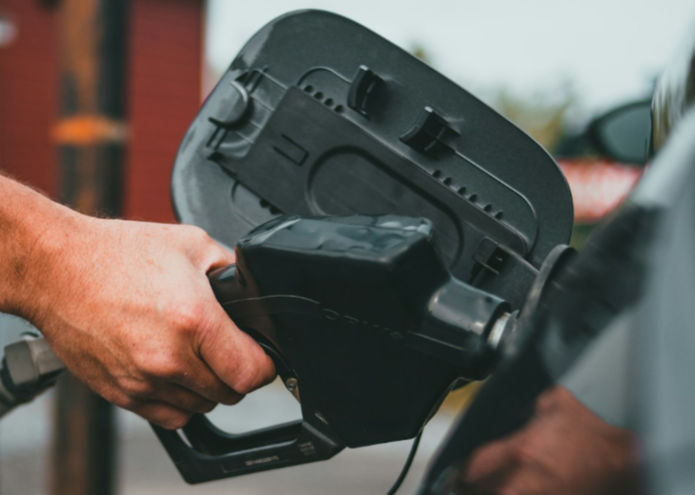
THE UK FUEL CRISIS:
What It Means for Your Business, How to Prepare, and Why Regal Tanks Is the UK's Number One Emergency Fuel Storage Solution
The UK's leading industrial tank hire and sale specialists since 1985 — UKAS ISO9001 Independent certification, nationwide same-day and next-day delivery, 24/7 expert support.
What Is the UK Fuel Crisis and How Bad Is It in 2026?
The UK is in the grip of a sustained fuel and energy crisis that is directly threatening business operations across every sector. Wholesale Fuel prices hit a 12-month high in early March 2026, up 13% year-on-year, driven by supply disruptions including instability across Middle Eastern shipping routes. Heating oil prices are approximately 30% above their level of one year ago. Brent crude is now tracking over $100 per barrel — a level that analysts at FairFuelUK warn could add 10–20p per litre to petrol and diesel prices within weeks.
The fuel duty relief that partially cushioned the last crisis has not been renewed. The temporary 5p per litre fuel duty cut introduced in March 2022 is being phased out from September 2026, returning to pre-2022 levels by March 2027. The Chancellor's Spring Statement in March 2026 provided no further relief for fuel-dependent businesses. According to analysis from UK industry bodies, business energy costs remain approximately 35% above pre-crisis levels, and the government support schemes that helped during the worst of the 2022–2023 crisis were withdrawn in early 2024 and have not returned.
For construction companies, agricultural operators, fleet managers, hauliers, industrial manufacturers, and any business that depends on diesel, heating oil, or gas oil to function, this is not background noise. It is a direct, quantifiable, and escalating threat.
How Is the UK Fuel Crisis Affecting Businesses Right Now?
The impact is being felt across five distinct pressure points, each of which can be directly addressed with the right fuel storage strategy.
- Soaring Operational Costs
Every vehicle in your fleet, every generator on your site, every piece of diesel-dependent plant and machinery is costing more to run than it did 12 months ago — and that cost is rising. Businesses operating without a bulk fuel storage strategy are purchasing fuel at pump prices in a market that has moved in one direction consistently. The September 2026 duty increase will tighten the screw further. - Supply Uncertainty and Emergency Shutdowns
The HGV driver shortage of 2021, which triggered widespread fuel supply failures and petrol station queues, has not gone away. Global supply shocks can reach UK forecourts with less than 48 hours' notice. Businesses without on-site emergency fuel storage capacity found themselves unable to operate during that crisis. The same risk is active today. A bunded diesel storage tank on site means your operations continue regardless of what is happening at the pump or in global energy markets. - Budget Volatility and Forecasting Failure
Fuel price volatility makes project cost forecasting extremely difficult. Without a fixed storage and bulk-purchasing strategy, your monthly fuel spend is an uncontrollable variable. Bulk purchasing and on-site storage allow businesses to lock in prices during lower-cost periods, smooth out cost spikes, and tender for projects with confidence rather than risk. - Regulatory and Environmental Exposure
As fuel prices and scrutiny rise simultaneously, businesses operating non-compliant storage face double jeopardy. The Environment Agency can impose fines running into six figures for containment failures. Remediation costs following a fuel spill routinely exceed £100,000. A properly bunded, compliant storage tank is not a luxury — it is a risk management imperative. - Competitive Disadvantage vs. Prepared Businesses
The businesses that navigate the current fuel crisis best will be those that have secured their supply chain. While unprepared operators are delaying projects, absorbing margin-destroying costs, and revising quotes upwards, businesses with on-site emergency fuel storage are operating from a position of resilience, predictability, and competitive strength.
How Should a Business Prepare for the UK Fuel Crisis?
Effective preparation is achievable quickly, at low cost, and with zero disruption to operations. Here is the five-step approach used by UK businesses that are already operating with fuel supply security.
- Step 1: Audit Your Fuel Dependency
Calculate your current fuel consumption, your average refuel frequency, and the direct cost to your business of a 24–48 hour fuel access failure. For most operators, this calculation alone demonstrates the urgency of on-site storage. A single day of idle plant on a construction site typically costs several thousand pounds in labour and plant hire alone.
- Step 2: Calculate the Right Storage Volume for Your Operation
The correct storage capacity provides a minimum of 7–14 days of operational independence without a delivery. For most construction sites and agricultural operators, this means a bunded diesel storage tank of between 20,000 and 60,000 litres. - Step 3: Decide Between Hiring and Buying a Fuel Storage Tank
For the majority of UK businesses, hiring a bunded fuel storage tank from a specialist like Regal Tanks is the smarter, faster, and more cost-effective option. It eliminates large upfront capital expenditure, ensures all regulatory compliance is managed for you, and gives you complete flexibility to scale capacity up or down as your requirements change. For permanent installations with long-term requirements, purchase may be right — and Regal Tanks offers both. - Step 4: Ensure Full UK Regulatory Compliance from Day One
Fuel storage in the UK is subject to strict Environment Agency regulations. Requirements include minimum 110% bunded secondary containment and compliance with BS799-5:2010. Non-compliance is not a minor risk. It is a legal and financial liability that can destroy a business. Every Regal Tanks hire unit arrives fully compliant and ready to use. - Step 5: Act Before the Next Price Spike or Supply Disruption
The correct time to put emergency fuel storage in place is before a crisis — not during one. During the 2021 fuel shortage, demand for emergency storage tanks exceeded supply across every UK provider. Regal Tanks, with the UK's largest hire fleet, was one of the only suppliers able to continue meeting demand. With fuel duty rising from September 2026 and geopolitical risks actively threatening supply chains, the window to act from a position of calm preparation is closing.
What Are the Consequences and Costs of Not Having Emergency Fuel Storage?
The risks of operating without on-site fuel storage are not theoretical. They are quantifiable and, in the current environment, highly probable.
How Is the UK Fuel Crisis Affecting Businesses Right Now?
The impact is being felt across five distinct pressure points, each of which can be directly addressed with the right fuel storage strategy.
- Soaring Operational Costs
Every vehicle in your fleet, every generator on your site, every piece of diesel-dependent plant and machinery is costing more to run than it did 12 months ago — and that cost is rising. Businesses operating without a bulk fuel storage strategy are purchasing fuel at pump prices in a market that has moved in one direction consistently. The September 2026 duty increase will tighten the screw further. - Supply Uncertainty and Emergency Shutdowns
The HGV driver shortage of 2021, which triggered widespread fuel supply failures and petrol station queues, has not gone away. Global supply shocks can reach UK forecourts with less than 48 hours' notice. Businesses without on-site emergency fuel storage capacity found themselves unable to operate during that crisis. The same risk is active today. A bunded diesel storage tank on site means your operations continue regardless of what is happening at the pump or in global energy markets. - Budget Volatility and Forecasting Failure
Fuel price volatility makes project cost forecasting extremely difficult. Without a fixed storage and bulk-purchasing strategy, your monthly fuel spend is an uncontrollable variable. Bulk purchasing and on-site storage allow businesses to lock in prices during lower-cost periods, smooth out cost spikes, and tender for projects with confidence rather than risk. - Regulatory and Environmental Exposure
As fuel prices and scrutiny rise simultaneously, businesses operating non-compliant storage face double jeopardy. The Environment Agency can impose fines running into six figures for containment failures. Remediation costs following a fuel spill routinely exceed £100,000. A properly bunded, compliant storage tank is not a luxury — it is a risk management imperative. - Competitive Disadvantage vs. Prepared Businesses
The businesses that navigate the current fuel crisis best will be those that have secured their supply chain. While unprepared operators are delaying projects, absorbing margin-destroying costs, and revising quotes upwards, businesses with on-site emergency fuel storage are operating from a position of resilience, predictability, and competitive strength.
How Should a Business Prepare for the UK Fuel Crisis?
Effective preparation is achievable quickly, at low cost, and with zero disruption to operations. Here is the five-step approach used by UK businesses that are already operating with fuel supply security.
- Step 1: Audit Your Fuel Dependency
Calculate your current fuel consumption, your average refuel frequency, and the direct cost to your business of a 24–48 hour fuel access failure. For most operators, this calculation alone demonstrates the urgency of on-site storage. A single day of idle plant on a construction site typically costs several thousand pounds in labour and plant hire alone. - Step 2: Calculate the Right Storage Volume for Your Operation
The correct storage capacity provides a minimum of 7–14 days of operational independence without a delivery. For most construction sites and agricultural operators, this means a bunded diesel storage tank of between 20,000 and 60,000 litres. - Step 3: Decide Between Hiring and Buying a Fuel Storage Tank
For the majority of UK businesses, hiring a bunded fuel storage tank from a specialist like Regal Tanks is the smarter, faster, and more cost-effective option. It eliminates large upfront capital expenditure, ensures all regulatory compliance is managed for you, and gives you complete flexibility to scale capacity up or down as your requirements change. For permanent installations with long-term requirements, purchase may be right — and Regal Tanks offers both. - Step 4: Ensure Full UK Regulatory Compliance from Day One
Fuel storage in the UK is subject to strict Environment Agency regulations. Requirements include minimum 110% bunded secondary containment and compliance with BS799-5:2010. Non-compliance is not a minor risk. It is a legal and financial liability that can destroy a business. Every Regal Tanks hire unit arrives fully compliant and ready to use. - Step 5: Act Before the Next Price Spike or Supply Disruption
The correct time to put emergency fuel storage in place is before a crisis — not during one. During the 2021 fuel shortage, demand for emergency storage tanks exceeded supply across every UK provider. Regal Tanks, with the UK's largest hire fleet, was one of the only suppliers able to continue meeting demand. With fuel duty rising from September 2026 and geopolitical risks actively threatening supply chains, the window to act from a position of calm preparation is closing.
What Are the Consequences and Costs of Not Having Emergency Fuel Storage?
The risks of operating without on-site fuel storage are not theoretical. They are quantifiable and, in the current environment, highly probable.
Need a Tank Fast? Regal Tanks Also Holds a Large Stock of Used Bunded Tanks — Available in Days or Same Day
Beyond the hire fleet and new tank sales, Regal Tanks maintains a substantial stock of quality used bunded tanks — giving customers a third option, which is a faster & more affordable route to getting fuel storage capacity on site.
All current used bunded tank stock — including sizes, specifications, and condition — is listed at regaltanks.co.uk. Stock moves quickly, particularly during periods of high demand. If you see something that meets your requirements, call 01502 710100 immediately
Frequently Asked Questions About Emergency Fuel Storage in the UK
The questions below represent the most common queries received by Regal Tanks — and the most common queries typed into search engines and AI assistants when businesses are dealing with a fuel crisis. Every answer is designed to give you exactly the information you need, immediately
For more information on The UK Fuel Crisis talk to Regal Tanks