 Add My Company
Sign In

Understanding Air Heat Pump Functionality
06-06-2025
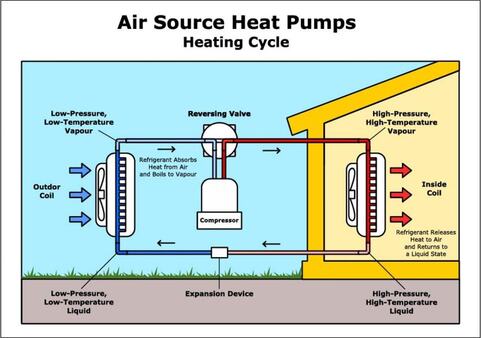
Air heat pumps work by extracting heat from the outside air and using it to heat your home. They absorb heat through a refrigerant, compress it to a higher temperature, and release this heat indoors. This method is energy-efficient and works even in cold weather. In this article, you’ll learn how air heat pumps work, their benefits, and installation considerations.
Key Takeaways
- Air source heat pumps efficiently extract heat from outside air, even at temperatures as low as -15°C, offering energy savings of over 350% compared to traditional gas boilers.
- There are different types of air source heat pumps (split, monobloc, and ducted systems) suited for varying home requirements, making them versatile heating solutions.
- Heat pumps consist of a compressor, an expansion valve, and two heat exchangers to operate, ensuring efficient heat transfer and distribution.
- Proper installation and regular maintenance are crucial for optimal performance and longevity, with annual servicing recommended to ensure efficient operation.
- Heat pumps may require larger radiators or underfloor heating systems due to lower temperature output compared to traditional boilers.
How Do Air Heat Pumps Work? Simple Guide to Efficient Heating

Air source heat pumps operate by extracting warmth from outside air, even at very low temperatures, down to -15°C. This heat is absorbed by a refrigerant, which then turns into gas and is compressed to raise its temperature. The high-temperature gas is used to provide heating through the home’s heating system, such as radiators or underfloor heating. With energy efficiencies exceeding 350%, this process makes air source heat pumps work as a superior alternative to traditional gas boilers.
The technology behind air source heat pumps has been known since the mid-19th century, first described by Lord Kelvin. Despite the complexity of the technology, the basic principle is straightforward and revolves around heat transfer and heat exchanger. Similarly, ground source heat pumps extract heat from the ground using water circulating in underground pipes, showcasing another innovative approach to sustainable heating. Additionally, water-source heat pumps extract heat from a nearby body of water, such as a lake or river, offering another efficient and eco-friendly heating solution.
Understanding how heat pumps work allows homeowners to make informed decisions, choosing the most energy-efficient and cost-effective heating solutions.
The technology behind air source heat pumps has been known since the mid-19th century, first described by Lord Kelvin. Despite the complexity of the technology, the basic principle is straightforward and revolves around heat transfer and heat exchanger. Similarly, ground source heat pumps extract heat from the ground using water circulating in underground pipes, showcasing another innovative approach to sustainable heating. Additionally, water-source heat pumps extract heat from a nearby body of water, such as a lake or river, offering another efficient and eco-friendly heating solution.
Understanding how heat pumps work allows homeowners to make informed decisions, choosing the most energy-efficient and cost-effective heating solutions.
Introduction
Recognising how air-source heat pumps function helps in making informed decisions about energy-efficient heating and cooling options. These systems provide a unique method of heating and cooling by extracting heat from the outside air, which significantly reduces reliance on gas or oil, contributing to more sustainable energy solutions.
Understanding the operational mechanics of these pumps allows homeowners to maximise energy savings and contribute to a greener environment.
Understanding the operational mechanics of these pumps allows homeowners to maximise energy savings and contribute to a greener environment.
What is an Air Source Heat Pump?

An air source heat pump is a system that captures warmth from the outside air to provide heating and hot water for residential spaces. It operates similarly to a refrigerator but in reverse, moving heat from the outdoor air into the home. The process begins with a refrigerant that absorbs heat from the air, turning it into gas. This gas is then compressed to raise its temperature before it is used to heat the home. Additionally, air source heat pumps can heat water for domestic use, ensuring a reliable supply for showers and taps.
The energy efficiency of air-source heat pumps can exceed 350%, greatly outperforming traditional gas boilers. This high efficiency is achieved because the system uses the heat present in the air, even at very low temperatures, to provide warmth. Compared to an A-rated gas boiler, which is about 90% efficient, air source heat pumps offer a significantly more efficient heating solution. The technology used in air source heat pumps has been around since the mid-19th century, first described by Lord Kelvin.
Air source heat pumps are an excellent alternative to traditional heating systems, especially in regions where temperatures do not frequently drop below -15°C. They offer a sustainable and efficient way to heat homes, reducing the reliance on fossil fuels and lowering energy bills. Additionally, heat pump systems provide an effective solution for modern heating needs.
The energy efficiency of air-source heat pumps can exceed 350%, greatly outperforming traditional gas boilers. This high efficiency is achieved because the system uses the heat present in the air, even at very low temperatures, to provide warmth. Compared to an A-rated gas boiler, which is about 90% efficient, air source heat pumps offer a significantly more efficient heating solution. The technology used in air source heat pumps has been around since the mid-19th century, first described by Lord Kelvin.
Air source heat pumps are an excellent alternative to traditional heating systems, especially in regions where temperatures do not frequently drop below -15°C. They offer a sustainable and efficient way to heat homes, reducing the reliance on fossil fuels and lowering energy bills. Additionally, heat pump systems provide an effective solution for modern heating needs.
How Air Source Heat Pumps Operate
Air source heat pumps operate through a four-step process:
The refrigerant is compressed to increase its temperature, and the heated refrigerant is responsible for transferring heat to the home’s heating system. Finally, the heat is distributed throughout the home for effective warming.
- Heat absorption
- Heat compression
- Heat transfer
- Heat distribution
The refrigerant is compressed to increase its temperature, and the heated refrigerant is responsible for transferring heat to the home’s heating system. Finally, the heat is distributed throughout the home for effective warming.
Heat Compression
The next step in the process is heat compression. The compressor in an air source heat pump elevates the pressure of the refrigerant, causing the absorbed heat to increase significantly.
This high-pressure, higher-temperature gas is crucial for an effective heating mode, as it ensures that the heat produced is sufficient to create heat energy to warm the home.
This high-pressure, higher-temperature gas is crucial for an effective heating mode, as it ensures that the heat produced is sufficient to create heat energy to warm the home.
Heat Distribution
Once the refrigerant has been compressed and the temperature raised, the heat needs to be distributed throughout the home. In a heat pump system, the hot gas transfers heat to a cold water circuit, facilitating heat distribution. This heat can be directed into the building’s heating system or hot water supply, enhancing overall efficiency.
Whether through radiators, underfloor heating, or central heating air distribution systems, the warm air ensures a comfortable living environment.
Whether through radiators, underfloor heating, or central heating air distribution systems, the warm air ensures a comfortable living environment.
Types of Air Source Heat Pumps

Air-source heat pumps are primarily categorised into air-to-air and air-to-water heat systems. These systems can be further divided into split systems, monobloc systems, and ducted systems. Each type has its unique features and suitability, making them versatile for different home and building requirements. Thermodynamic panels, another innovative technology, can transfer heat from both air and solar radiation into a building, further expanding the range of sustainable heating options.
Understanding these types helps homeowners choose the right system for their specific needs.
Understanding these types helps homeowners choose the right system for their specific needs.
Split Systems
Split systems consist of separate indoor and outdoor units that work together to provide heating and cooling. The indoor unit is responsible for distributing the conditioned air inside the home, while the outdoor unit houses the compressor and other components. Refrigerant lines connect the indoor and outdoor units, facilitating heat exchange during the heating or cooling process. This system is especially suitable for larger homes, providing efficient heating and cooling across multiple rooms or zones.
Split systems offer flexibility in installation and layout, making them a popular choice for residential applications. They allow homeowners to achieve tailored comfort levels in different areas of the home, enhancing overall energy efficiency and comfort.
Split systems offer flexibility in installation and layout, making them a popular choice for residential applications. They allow homeowners to achieve tailored comfort levels in different areas of the home, enhancing overall energy efficiency and comfort.
Monobloc Systems
Monobloc systems are designed as one outdoor unit with no need for refrigerant filling on-site. These systems integrate all components into a single internal unit. They connect to the outside air via two small ducts that go through an external wall.
Monobloc systems are less visually intrusive than outdoor units, making them a more aesthetically pleasing option. They are effective for space heating or hot water needs, distributing heated water efficiently throughout the home with a wet central heating system, a hot water system, and a traditional boiler.
Monobloc systems are less visually intrusive than outdoor units, making them a more aesthetically pleasing option. They are effective for space heating or hot water needs, distributing heated water efficiently throughout the home with a wet central heating system, a hot water system, and a traditional boiler.
Ducted Systems
Ducted systems distribute air through ducts, often used in energy-efficient houses. These systems are typically placed in a loft or utility room. Some types of ducted systems are known as exhaust air heat pumps, which are not suitable for older or larger houses.
Ducted systems offer a streamlined way to heat and cool homes, integrating seamlessly with the building’s ventilation system.
Ducted systems offer a streamlined way to heat and cool homes, integrating seamlessly with the building’s ventilation system.
Benefits of Air Source Heat Pumps

Air source heat pumps provide a wide array of advantages, including enhanced energy efficiency, significant cost savings, and a positive environmental impact. These systems can significantly lower heating and cooling costs over time compared to traditional systems. For instance, homeowners can save around £234 per year in energy costs when air source heat pumps are used effectively. They are environmentally friendly, reducing reliance on fossil fuels and lowering emissions by extracting existing heat. However, the initial installation cost of a heat pump system can be higher than that of traditional heating systems.
Efficient energy consumption and lower bills contribute to the sustainability of air-source heat pumps.
Efficient energy consumption and lower bills contribute to the sustainability of air-source heat pumps.
Energy Efficiency
Air source heat pumps can achieve an energy efficiency rating exceeding 350%, significantly outperforming traditional gas boilers. They are among the most efficient heat pumps that provide a highly efficient way to keep buildings warm, producing about 3 to 5 units of heat for each unit of electricity used. Despite higher electricity prices, heat pumps can lead to significant savings due to their efficiency.
Replacing gas boilers with heat pumps can significantly reduce a property’s energy demand, contributing to lower energy bills and a smaller carbon footprint. These systems can operate efficiently at moderate and high flow temperatures, even in cold weather, making them a reliable choice for various climates.
Replacing gas boilers with heat pumps can significantly reduce a property’s energy demand, contributing to lower energy bills and a smaller carbon footprint. These systems can operate efficiently at moderate and high flow temperatures, even in cold weather, making them a reliable choice for various climates.
Cost Savings
Air source heat pumps offer potential long-term savings on energy bills compared to traditional heating systems. Although they may run on more expensive electricity than efficient gas boilers, their running costs are generally lower due to their high efficiency.
Savings can also be influenced by factors such as the efficiency of the heat pump operation and the use of renewable energy sources like solar power.
Savings can also be influenced by factors such as the efficiency of the heat pump operation and the use of renewable energy sources like solar power.
Environmental Impact
Using air-source heat pumps contributes to a lower carbon footprint by extracting heat from the surrounding air. These systems reduce reliance on fossil fuels, helping to mitigate climate change.
Their energy-efficient operation lowers running costs and lower emissions make them an environmentally friendly choice for heating and cooling homes.
Their energy-efficient operation lowers running costs and lower emissions make them an environmentally friendly choice for heating and cooling homes.
Considerations for Installing Air Source Heat Pumps
Before installing an air source heat pump, it is crucial to assess the property’s heating and hot water requirements. Key factors include property size, insulation, existing heating systems, installation space, and airflow. To install a heat pump, these considerations are essential. Installing a heat pump may require a comprehensive home survey to assess insulation and space. Additionally, the installation of a heat pump may involve removing existing heating systems depending on compatibility.
Understanding these considerations ensures that the heat pump controls will operate efficiently and effectively in the given environment.
Understanding these considerations ensures that the heat pump controls will operate efficiently and effectively in the given environment.
Property Suitability
Air source heat pumps are suitable for well-insulated houses and can work effectively in older homes if properly insulated. Older buildings prone to draughts and poor insulation may struggle with heat pump efficiency, making insulation quality a crucial factor. These systems may require adjustments to existing heating systems in older homes to ensure optimal performance and efficiency. Heat pumps are not suitable for all homes, especially those with poor insulation or significant drafts.
Larger homes generally require more powerful pumps, which depend on the size of the property and specific heating needs. Homeowners should evaluate insulation aspects, radiator compatibility, and existing heating systems when considering a heat pump. Radiator size may need to be adjusted to accommodate lower water temperatures produced by heat pumps.
Larger homes generally require more powerful pumps, which depend on the size of the property and specific heating needs. Homeowners should evaluate insulation aspects, radiator compatibility, and existing heating systems when considering a heat pump. Radiator size may need to be adjusted to accommodate lower water temperatures produced by heat pumps.
Installation Space
When installing an air source heat pump, it is crucial to have adequate space for the outdoor unit to function effectively. An area outside the home should be designated for the heat pump that ensures sufficient space for proper airflow. Keeping the area around the heat pump clear of obstructions improves airflow and system efficiency.
Additionally, the heat pump must be located on a solid, flat surface to minimise noise and vibration transmission. Proper placement is essential to maintaining the system’s efficiency and minimising noise levels.
Additionally, the heat pump must be located on a solid, flat surface to minimise noise and vibration transmission. Proper placement is essential to maintaining the system’s efficiency and minimising noise levels.
Government Grants
Homeowners can benefit from government grants to help offset the installation costs of air-source heat pumps. The main grant available for installing air source heat pumps is £7,500. In Scotland, homeowners can access a £7,500 grant for installing air source heat pumps, with an additional £1,500 available for rural residents. The UK government offers grants through the Boiler Upgrade Scheme to help with the initial cost of upgrading to low-carbon heating alternatives. Homeowners in England and Wales can also receive up to £7,500 under the Boiler Upgrade Scheme when switching from fossil fuel boilers to low-carbon heating systems. The Boiler Upgrade Scheme was introduced in April 2022, replacing previous schemes like the Renewable Heating Incentive. Notably, the Boiler Upgrade Scheme is one of the most generous heat pump installation schemes in Europe.
Understanding these financial incentives can make the investment in air-source heat pumps more affordable and appealing.
Understanding these financial incentives can make the investment in air-source heat pumps more affordable and appealing.
Common Myths About Air Source Heat Pumps
There are several common myths and misconceptions about air source heat pumps that can deter potential users. Addressing these myths is crucial to help homeowners make informed decisions.
Three prevalent myths include beliefs that heat pumps don’t work in cold weather, are noisy, and are expensive to run. These misconceptions need to be debunked to highlight the true benefits of air-source heat pumps.
Three prevalent myths include beliefs that heat pumps don’t work in cold weather, are noisy, and are expensive to run. These misconceptions need to be debunked to highlight the true benefits of air-source heat pumps.
Myth: Heat Pumps Don't Work in Cold Weather
Contrary to popular belief, heat pumps can operate effectively at temperatures as low as -15°C, making them suitable for colder climates. They extract heat from the air even when it’s cold, ensuring consistent comfort even when the temperature drops in winter climates.
This efficiency at low temperatures demonstrates that air source heat pumps are a reliable heating solution year-round.
This efficiency at low temperatures demonstrates that air source heat pumps are a reliable heating solution year-round.
Myth: Heat Pumps Are Noisy
Another common myth is that heat pumps are noisy. In reality, air source heat pumps are quiet and reliable, making them a less noisy option compared to traditional heating systems like gas boilers. Noise levels can be affected by factors such as installation quality and location, with proper setup ensuring minimal noise.
Proper installation and maintenance can keep operational sounds to a minimum, ensuring a quiet and comfortable home environment.
Proper installation and maintenance can keep operational sounds to a minimum, ensuring a quiet and comfortable home environment.
Myth: Heat Pumps Are Expensive to Run
Many people believe that heat pumps are costly to operate, but this is a myth. The running costs for air-source heat pumps are typically lower than traditional fossil fuel heating systems, especially in moderate climates. Heat pumps can lead to significant long-term savings on energy bills due to their high efficiency. Additionally, understanding heat pump costs can help homeowners make informed decisions.
Over time, the cost of operating a heat pump compared to the cost of running conventional heating systems can be just a fraction, providing better value for homeowners.
Over time, the cost of operating a heat pump compared to the cost of running conventional heating systems can be just a fraction, providing better value for homeowners.
Maintenance and Longevity of Air Source Heat Pumps
Air source heat pumps can have a lifespan ranging from 10 to 20 years based on factors like maintenance and model quality. Regular maintenance can significantly prolong the lifespan of an air source heat pump, often allowing it to last over 15 years.
Understanding the importance of maintenance and how to troubleshoot common issues can help ensure the longevity and efficient operation of these systems.
Understanding the importance of maintenance and how to troubleshoot common issues can help ensure the longevity and efficient operation of these systems.
Regular Servicing
Annual servicing by a qualified technician is crucial for maintaining warranty validity and ensuring optimal performance. Air source heat pumps should be serviced annually to ensure efficient operation and prevent issues. The servicing typically includes a thorough inspection, temperature checks, diagnostics, and cleaning of internal components.
It’s essential to have air source heat pumps serviced annually by trained professionals to maintain efficiency and warranty. Annual servicing generally includes checks for leaks, temperature monitoring, and cleaning of components, as recommended by the heat pump association.
It’s essential to have air source heat pumps serviced annually by trained professionals to maintain efficiency and warranty. Annual servicing generally includes checks for leaks, temperature monitoring, and cleaning of components, as recommended by the heat pump association.
Troubleshooting Common Issues
If a heat pump starts making loud noises, it is a sign that there’s something wrong. Common issues with air source heat pumps can include operational sounds that indicate underlying problems. Identifying issues timely can help prevent further damage and costly repairs, ensuring the heat pump operates efficiently.
Operational sounds from the heat pump can signify potential malfunctions that may need immediate attention. Regular monitoring can help identify minor problems before they escalate into major repairs.
Operational sounds from the heat pump can signify potential malfunctions that may need immediate attention. Regular monitoring can help identify minor problems before they escalate into major repairs.
Extending Lifespan
Regular maintenance is essential for ensuring your air heat pump operates efficiently and lasts longer. Here are some key points to consider:
Air source heat pumps typically demand less upkeep compared to traditional heating systems, but they still necessitate yearly professional servicing. Maintaining proper airflow around the heat pump by keeping the area free from obstructions is vital for longevity. Adjusting thermostat settings appropriately can help prevent excessive strain on the heat pump system.
- Annual servicing can prevent potential problems and keep the system running in top condition.
- Cleaning or replacing filters regularly helps maintain airflow and efficiency.
- Ensuring proper insulation and sealing in your home can reduce the workload on the heat pump, extending its lifespan.
Air source heat pumps typically demand less upkeep compared to traditional heating systems, but they still necessitate yearly professional servicing. Maintaining proper airflow around the heat pump by keeping the area free from obstructions is vital for longevity. Adjusting thermostat settings appropriately can help prevent excessive strain on the heat pump system.
Summary
Air source heat pumps provide a contemporary, efficient, and eco-friendly solution for heating and cooling homes. By extracting heat from the air, these systems provide significant energy savings, lower running costs, and reduced carbon footprints. Although heat pumps require a small amount of electricity to run, they are considered highly efficient and reduce carbon emissions when replacing fossil fuel systems. Understanding the types, benefits, and considerations for installation ensures that homeowners can make informed decisions and maximise the advantages of air-source heat pumps. Regular maintenance and proper installation play crucial roles in ensuring the longevity and efficiency of these systems. Heat pumps are safer than traditional gas boilers as they do not involve combustion and therefore pose less risk of fire and toxic fumes. Embracing air-source heat pumps is a step toward a sustainable and energy-efficient future.
Frequently Asked Questions
How do air source heat pumps work?
Air source heat pumps operate by extracting heat from the outside air, compressing it to increase its temperature, and then using that heat to warm your home effectively. This efficient process makes them a great choice for sustainable heating.
Are air source heat pumps efficient in cold weather?
Yes, air source heat pumps are efficient in cold weather, capable of operating effectively at temperatures as low as -15°C. This makes them a viable option for colder climates.
Do air source heat pumps require a lot of maintenance?
Air source heat pumps do require annual servicing by a qualified technician for optimal efficiency and to uphold warranty standards, but they typically demand less maintenance than traditional heating systems.
What are the cost savings associated with air-source heat pumps?
Air source heat pumps can lead to significant long-term savings on energy bills because of their high efficiency, making them a cost-effective choice over time.
Can I get financial assistance for installing an air source heat pump?
Yes, you can receive financial assistance for installing an air source heat pump through various government grants, such as a £7,500 grant in the UK and an additional £1,500 for rural residents in Scotland.
For more information on Understanding Air Heat Pump Functionality talk to Refcool Refrigeration Ltd
Enquire Now
More News
List your company on FindTheNeedle.