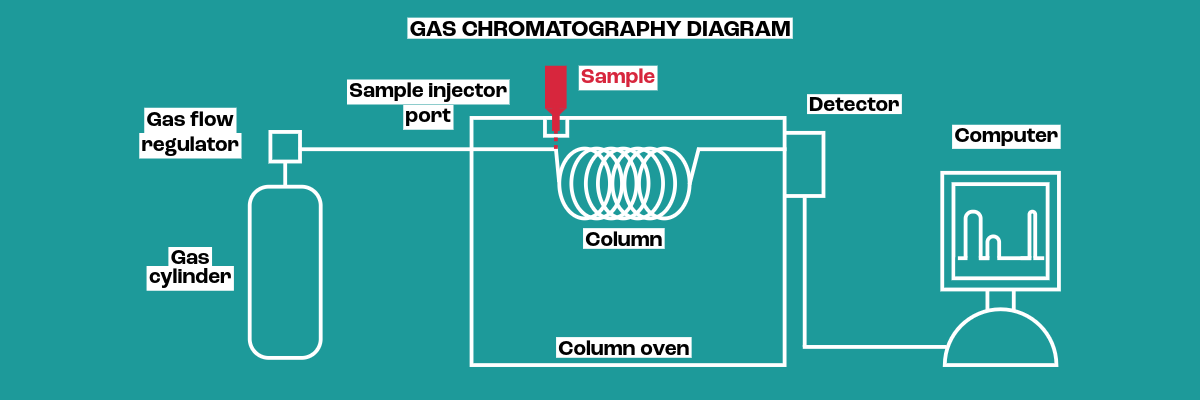


Residual solvent testing has become an increasingly important part of quality control within the flexible packaging industry. As packaging structures become more sophisticated and brand owners demand higher levels of packaging quality assurance, converters are under growing pressure to demonstrate that printed materials are safe and stable. The stakes are particularly high for food, pharmaceutical, and medical device packaging, where even trace amounts of residual solvents can compromise product integrity and consumer safety.
Although solvent-based printing systems remain highly effective for many flexible packaging applications, they introduce critical challenges for certain (usually ingestible) products. Most notably, how do you ensure that residual solvent levels remaining in the finished structure are sufficiently low to avoid both product contamination and compromising the packaging?
These challenges are increasingly addressed through fast, production-oriented analytical technologies that enable more frequent testing and faster decision-making compared to traditional laboratory approaches. This comprehensive guide on residual solvent testing by RDM Test Equipment explores what residual solvents are, why they matter, how they are measured with gas chromatography, and how analytical data can be leveraged for compliance, consumer safety, production optimisation, and brand protection.
Whether you’re a quality control manager seeking to enhance testing protocols or a compliance officer navigating regulatory requirements, understanding the principles of objective solvent measurement is essential for maintaining the highest standards of packaging quality.