 Get Listed

By Alexander Franklin, Director – Ranheat Engineering Ltd.
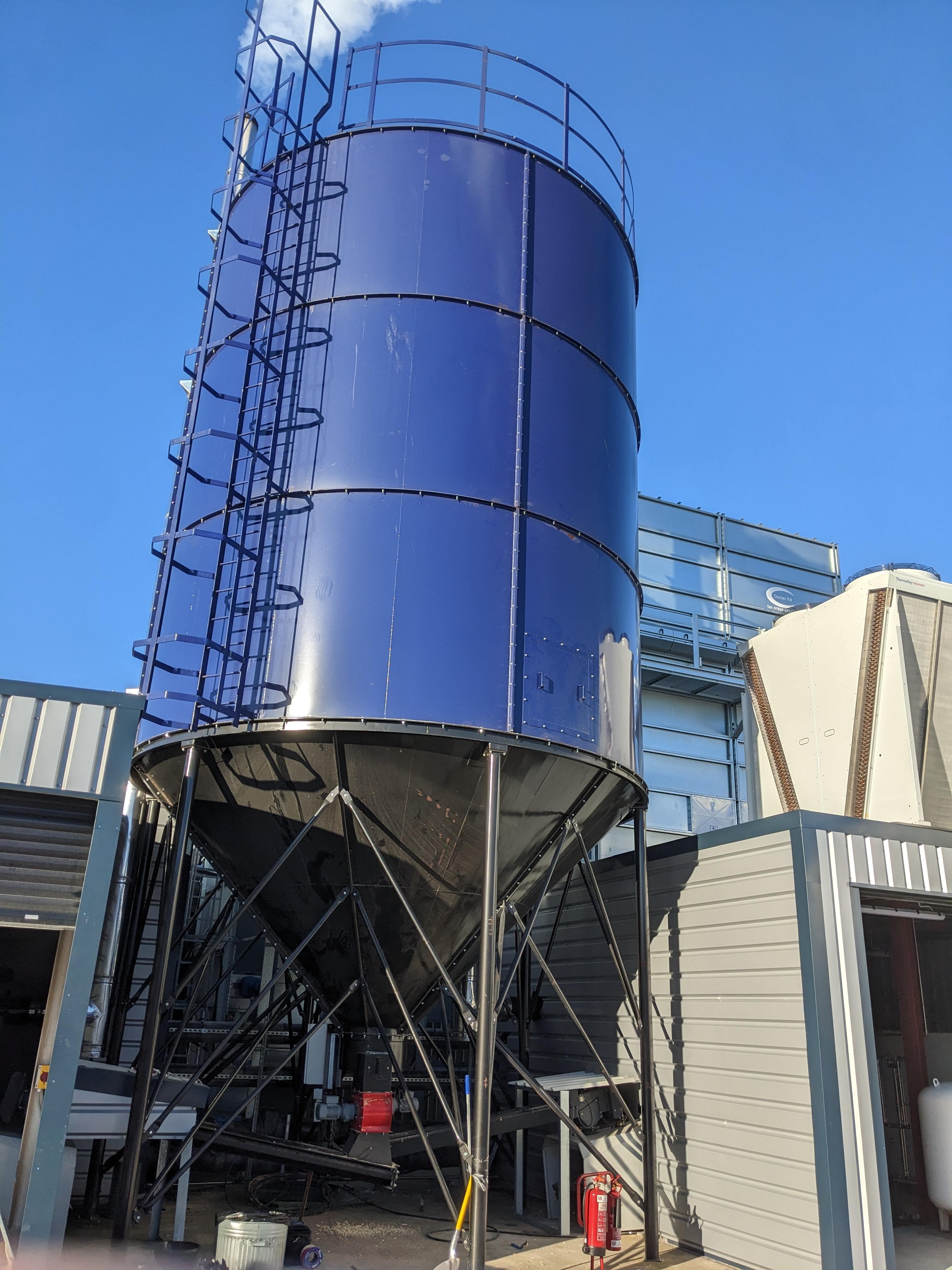
Whether you’re running a wood burning stove workshop, a full-scale woodworking factory, or just looking to streamline your wood waste technology, one of the biggest improvements you can make is in how your biomass system is fed. More specifically—how you fill your silo from your dust extraction system.
Here’s a breakdown of the main methods, their pros and cons, and where they work best.
1. Filter Mounted Directly on Top of the Silo (No Rotary Valve)
✔️ Very Low Capital Cost
💡 Very Low Running Cost
This is the simplest and cheapest method. The dust extraction filter is mounted directly onto the top of the silo. There’s no rotary valve, so there’s nothing to power or maintain.
Advantages:
-
Cheapest by far
-
Site labour only, no moving parts
-
Simple installation
Disadvantages:
-
Only works with smaller modular filters
-
Can’t be expanded easily
-
Back pressure can affect feed consistency
-
Not ideal for heavy wood waste loads
Best for:
Small workshops or starter systems using a workshop wood burner or wood burning water heater.
2. Filter on Top of Silo with Rotary Valve
✔️ Low Capital Cost
💡 Low Running Cost
This is a small upgrade on the basic setup. The rotary valve adds back-pressure isolation and more consistent material feed.
Advantages:
-
No back pressure into the silo
-
Still compact
-
Suits fixed filter sizes
Disadvantages:
-
Limited expansion potential
-
Still limited by filter size
Best for:
Mid-size wood stove workshops, especially where consistent burner feed is essential.
3. Closed Loop Cyclone with Transfer Fan
✔️ Medium Capital Cost
⚡ High Running Cost
In this system, a dedicated fan moves material from the dust system to a cyclone, which deposits it into the silo.
Advantages:
-
Very large filters can be used
-
Filter can be placed anywhere
-
Works with complex ducting runs
Disadvantages:
-
High fan power (15–18.5kW)
-
Continuous fan running = high electricity cost
-
More duct maintenance
Best for:
Larger sites where wood waste is generated in different buildings and ductwork routing is tricky. However, it depends.
4. Vertical Auger Feed System
✔️ Medium to High Capital Cost
💡 Low Running Cost
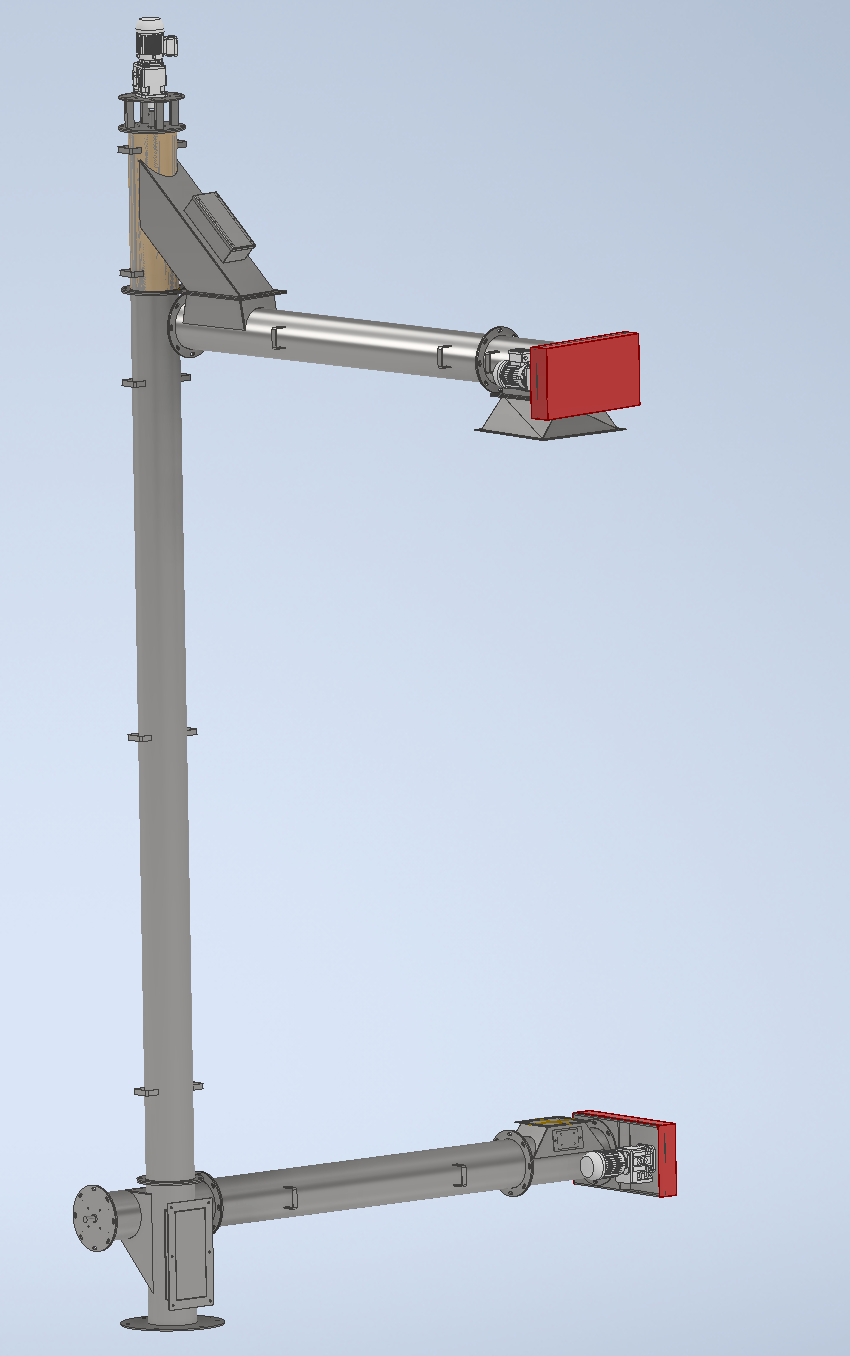
This system uses two horizontal augers feeding into a vertical auger that lifts material into the silo. Compact and powerful.
Advantages:
-
Great throughput
-
Works with large filters
-
Ideal where space is tight
Disadvantages:
-
Nails or long offcuts can jam the auger
-
Cost varies depending on length of horizontal runs
Best for:
Wood heater parts plants or woodworking factories with tight floor space and lots of dust.
5. Drag Conveyor System
✔️ High to Very High Capital Cost
🌿 Extremely Low Running Cost
This premium setup uses a mechanical drag chain to move material from the filter to the silo. It’s the ultimate in efficiency.
Advantages:
-
Very low energy usage
-
Silent and reliable
-
Easy to maintain
-
Works with big filters and heavy waste
Disadvantages:
-
High initial cost
-
Requires careful site planning
Best for:
Industrial biomass systems with high-volume dust output and where running cost matters most.
Why This Matters for Your Biomass System
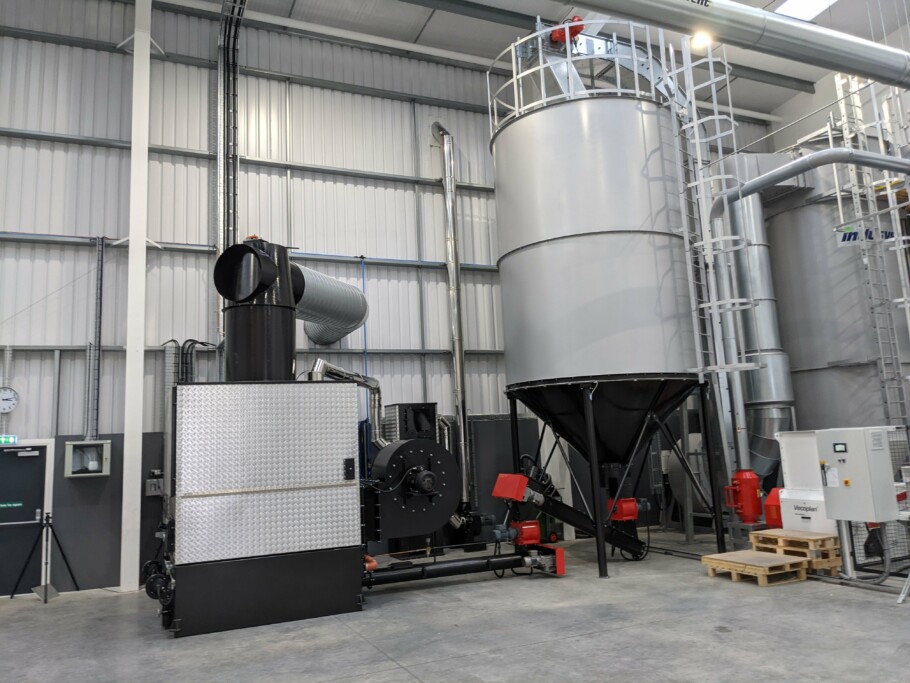
If you’re running a wood burner, biomass boiler, or wood waste heating system, the way you move material from dust extraction to silo directly affects:
-
Labour requirements
-
Electrical usage
-
System reliability
-
Fire safety and ATEX compliance
-
Burner feed consistency
Integration with Chippers and Offcut Waste
For businesses producing lots of board offcuts or skeleton waste, adding a chipper close to the cutting zone saves serious labour. Chipped material can be sent straight into the dust extraction system and then into the silo.
Best for:
High-throughput woodworking factories or workshops with lots of bulky timber waste.
Final Thoughts: Pick the Right Fit for Your Wood Waste
Every workshop and factory is different. Whether you’re using a wood burning stove, workshop wood burner, or investing in a full biomass boiler, your silo feeding method should match your fuel, footprint, and long-term goals.
At Ranheat, we’ve installed every type of silo system across the UK and Ireland. Let’s talk about which one is right for your business.
📞 01604 750005
✉️ sales@ranheat.com
🌐 www.ranheat.com
For more information on How to Fill a Silo: Wood Waste Technology for the Modern Workshop and Biomass System talk to Ranheat Engineering Ltd