 Get Listed
Sign In

Embroidered Vs Printed Custom Workwear
24-02-2023
Which custom workwear method is best for your business? Is there really a difference between the two or is it just as simple as putting a logo on your work uniform?
In this article we will be discussing both methods and analysing why putting more thought into a custom workwear uniform could help your employees and business succeed.
Making things specific to your business
Whilst both custom workwear packages have their benefits – something that works for one business might not work for another.
Before reading on, think about some of the points below.
What’s the purpose of your garment?
What type of garment are you customising?
How complex is the design?
How much are you looking to order?
What is custom embroidered workwear?
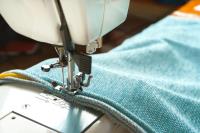
Custom embroidered workwear involves directly stitching threads into the fabric of a garment using state of the art embroidery machines.
These embroidery machines are used to speed the process up and are monitored by a professional so any errors can be quickly resolved.
In order to register a design with the embroidery machine, specialist software is used – this converts and optimises an image so that they can be accurately embroidered on to the material.
With embroidery you can create a logo with up to fourteen colours and textures within the design; helping you to create your unique vision.
Custom screen printed workwear
A popular type of printing commonly used to print designs on to custom workwear includes screen printing. Within this process a design is transferred to a mesh screen, through to a substrate using fabric ink. Before ink goes through, the screen needs to be prepared by an emulsion which stops ink from going into unnecessary areas.
By using multiple screens, it is possible to layer different colours on top of one another, this creates more detailed logos and designs which can be reused to save time.
These vibrant colours often don’t fade leaving a durable end result.
Custom vinyl transfer printed workwear
The design is first transferred to a specialist software where the image is flipped and printed onto the transfer vinyl.
From there the vinyl transfer is placed in a heat press on top of the material, allowing heat to transfer from the clothing to the vinyl sheet. Due to the vinyl sheet changing temperatures, the molecule structure of the fabric and adhesive changes, allowing them to bond together.
In order for the end design to be vibrant and detailed, the image supplied must be of high quality and provide accurate colourways.
Embroidered custom workwear vs printed custom workwear
The longevity of the design
Although embroidery is a more popular option when it comes to durable workwear, it all depends on how you look after the garment.
For example, to prevent printed designs cracking, it is good practice to turn the workwear inside out and wash no hotter than 30 degrees on a reduced cycle.
Whereas, with embroidered workwear, although it is seen as more durable, it must be also turned inside out, washed with mild detergent and not washed with other items that may pull on the thread such as zippers or buttons – this will prevent the thread from pulling.
In summary, it is advised you read the laundry specifications in order for you to make the most out of your workwear, with each type being unique to another.
Customising different garments
As different materials have unique properties – certain customisation features will be needed.
Custom embroidery
With embroidery methods, a thicker material must be used in order to support the thread.
Some products which can be embroidered on to include: polo shirts, fleeces, hoodies and hats.
Custom printing
With this kind of customisation, thinner materials work better. Vinyl transfer printing in particular works best when printed on to cotton t-shirts. This thinner material is suitable for this kind of printing due to the ink being able to penetrate the materials easier.
Some products which can be printed on to include: t-shirts, HI-VIS and protective workwear.
Custom workwear logo design
The customisation method used may also depend on the design you want printed.
Embroidery customisation is highly effective for small to medium detailed designs. But printed customisation is more suitable for medium to large, simple designs.
Transfer customisation is suitable for areas that are ‘hard to reach’ as the heat transfer then presses these areas down and makes them flat enough for printing on to – unlike the other processes that do not involve heat.
Order quantity and pricing of custom workwear
Embroidered workwear packages
With embroidered workwear the cost goes up depending on how many stitches or colours the design includes, meaning that a larger logo with more colours will be more expensive than a smaller logo with just one colour.
Screen printing workwear packages
Suitable for larger order quantities, the cost of this process comes from the set up costs of screens, individually made for each colour in the design. Each of these screens incur a higher set up cost. Once set up, the process itself is quite cheap, meaning to get your moneys worth, large orders are recommended.
Transfer printing workwear packages
The cost of this package depends on the amount of vinyl transfers used, with higher amounts equating to a higher price to make up for the material costs.
Embroidered workwear near me
From workwear necessities to stylish leisure wear, PPG Workwear provides bespoke embroidery and printing services to make a uniform unique to your company.
If you are still struggling to decide on what customisation option will work best for you then contact our friendly experts now; they’re happy to help.
For more information on Embroidered Vs Printed Custom Workwear talk to PPG Workwear
List your company on FindTheNeedle.