

Choosing between embroidery vs printing is one of the most important decisions when customising apparel. Whether you’re ordering branded workwear, personalised garments, event merchandise, or casual wear for your clothing brand, the decoration method you choose affects durability, cost, appearance, and how your brand is perceived.
This guide explains embroidery vs printing in a clear and practical way so businesses, organisations, and everyday shoppers can confidently decide which method suits their design, fabric, and branding goals.
What Is Embroidery?
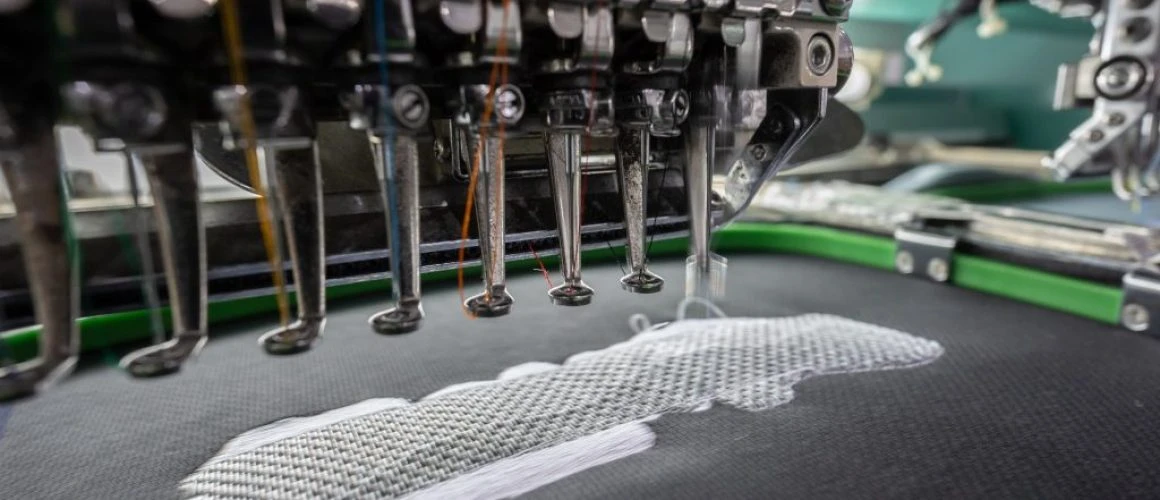
Embroidery is the process of stitching thread directly into the fabric to create raised, textured artwork. Modern industrial embroidery machines can reproduce company logos, names, and simple custom designs with impressive accuracy.
Embroidery involves using embroidery threads to form a tactile, long-lasting design. These threads are stitched directly into the garment, creating a premium feel and a professional appearance that works particularly well for work uniforms, polo shirts, jackets, caps, and thicker fabrics.
Why Embroidery Stands Out
- Raised texture adds depth and professionalism
- Extremely durable and able to withstand frequent washing
- Ideal for simple company logos and bold shapes
- Looks premium on thicker fabrics and corporate wear
Embroidered logos tend to last longer than most printed logos, especially on garments that require repeated washing or daily use.
How the Embroidery Process Works
To create embroidered designs, a design file is digitised so the embroidery machine understands the stitching process. The machine assigns a stitch count, thread paths, and density levels. Higher stitch counts create thicker, more textured embroidery, but also increase cost.
The stitching process requires the garment to be held firmly in place while thousands of stitches are applied. Thread colours are selected to match branding needs, and modern embroidery services offer extensive thread colour libraries.
Embroidery is better suited for heavier fabrics such as polo shirts, jackets, work uniforms, fleece, and corporate wear. Delicate fabrics or lightweight materials may distort under the needle tension.
What Is Printing on Clothing?
Printing involves applying ink, vinyl, or pigments directly to the fabric surface. Printing suits a wide variety of garments, including t shirts, hoodies, lightweight tops, technical sports apparel, and promotional merchandise.
Common garment printing methods include the following.
Screen Printing
Screen printing uses a mesh screen to transfer ink onto fabric. Each colour requires a separate mesh screen, making the method ideal for bulk orders of simple designs.
DTG Printing (Direct-to-Garment)
DTG printing uses digital inkjet technology to apply designs directly onto the garment. It is excellent for multi coloured designs, intricate details, and photographic artwork.
Vinyl Printing
Vinyl printing uses pre-cut vinyl sheets that are heat-pressed onto the garment. This printing method works well for personalised garments, such as names and numbers on sports apparel.
How the Printing Process Works
Screen printing begins by burning a stencil onto a mesh screen using light-sensitive emulsion. Ink is pulled across the screen with a squeegee, transferring the design onto the garment. Screen printing becomes cost-effective for larger quantities due to lower ink costs and fast production times.
DTG printing sprays ink into the fibres of t-shirts or similar garments, making it ideal for complex artwork, colourful designs, and full-colour prints. It requires little setup and allows for single-piece production.
Vinyl printing uses heat and pressure to bond the design onto the garment. It delivers sharp edges and solid colours for small orders, but isn’t ideal for intricate designs or complex artwork.
Embroidery vs Printing: Main Differences Explained
To help you compare embroidery vs printing clearly, the following sections outline durability, appearance, cost, fabric suitability, and design complexity, giving you the key factors you need to make a confident decision.
1. Durability and Longevity
Embroidery Durability
Embroidery is one of the most durable decoration methods. The stitching process creates designs that can withstand frequent washing, heavy use, and harsh environments. Embroidered designs often last through 100+ wash cycles without losing colour or shape.
Embroidery is ideal for work uniforms, branded workwear, hospitality garments, outerwear, and any item requiring long-term reliability.
Printing Durability
Printing durability depends heavily on the printing method. Screen-printed garments last longer than vinyl prints, while high-quality DTG printing can hold up well under repeated washing if cured correctly.
Printed designs may fade, crack, or lose detail over time, especially in high-friction areas such as t shirt fronts or sleeves. However, printing offers greater flexibility for colourful designs and intricate details.
2. Appearance and Texture
Embroidery Appearance
Embroidery creates a raised, premium-looking texture that adds dimension. The stitched design catches light differently and delivers a professional appearance, making it ideal for corporate wear and company logos.
Embroidery works particularly well when you want a premium finish, a tactile element, or a professional appearance.
Printing Appearance
Printing maintains a smooth fabric feel. Printed logos and printed designs lie flat and offer unlimited colour combinations, gradients, shading, and intricate details.
Printing suits, graphic t-shirts, fashion apparel, casual wear, artistic designs, and complex artwork that embroidery cannot reproduce.
3. Cost Considerations
Embroidery Costs
Embroidery typically includes a digitising fee and a per-unit price based on stitch count. Higher stitch counts and larger logos increase the cost. While embroidery may have a higher upfront cost, it offers long-term durability and professional value.
Printing Costs
Printing is generally cheaper, especially for bulk orders and multi coloured artwork. Screen printing becomes highly cost-effective at larger quantities. DTG printing eliminates setup costs, making it ideal for small runs or detailed artwork.
For promotional events, casual apparel, or large-scale merchandise, printing often provides the most cost-effective solution.
4. Fabric Suitability
Best Fabrics for Embroidery
Embroidery is best for:
- Polo shirts
- Jackets
- Fleece
- Work uniforms
- Corporate wear
- Thick or stable fabrics
Embroidery is not recommended for delicate fabrics or stretchy garments.
Best Fabrics for Printing
Printing suits:
- Cotton
- Polyester
- Blends
- T shirts
- Sports apparel
- Casual wear
- Lightweight fabrics
Printing and embroidery can also be combined on certain garments for added visual impact.
5. Design Complexity and Detail
Embroidery Limitations
Embroidery may lose detail with:
- Fine lines and intricate details
- Small text
- Multi coloured designs containing gradients
- Complex artwork
Embroidery is better suited to simple shapes, bold logos, and clean lines.
Printing Strengths
Printing handles:
- Multi coloured designs
- Intricate designs
- Colour gradients
- Photographic prints
- Complex artwork
- Detailed logos
If your artwork requires high accuracy, printing is the better option.
When to Choose Embroidery
Choose embroidery when:
- You want a premium, professional finish
- The garment will undergo frequent washing
- Decorating thicker fabrics like polo shirts or jackets
- Creating company logos or branded workwear
- Long-term durability is essential
Embroidery delivers a durable finish ideal for demanding environments.
When to Choose Printing
Choose printing when:
- You need colourful or complex designs
- Producing large quantities of T-shirts or promotional apparel
- Decorating lightweight fabrics
- Working with intricate artwork or detailed graphics
- You need a cost-effective option for events or merchandise
Printing suits, fashion items, promotional events, and casual wear.
Key Factors to Consider When Choosing
Before deciding between embroidery vs printing, consider:
- Budget
- Fabric suitability
- Design complexity
- Quantity
- Durability needs
- Brand positioning
- Intended garment lifespan
For many clothing brands and businesses, a combination of both methods offers the most flexibility. Embroidered logos with printed back designs, for example, create an impressive result without inflating production costs.
Frequently Asked Questions
Is embroidery or print better?
Embroidery is better for durability, raised texture, and a premium appearance. Printing is better for colourful designs, detailed artwork, and cost-effective bulk production. The best choice depends on your garment type and design complexity.
What are the disadvantages of embroidery?
Embroidery is not ideal for intricate designs, small text, or lightweight fabrics. It has higher upfront costs and may distort delicate materials. Embroidery also cannot reproduce gradients or very fine details as effectively as printing.
Is printing or embroidery cheaper?
Printing is generally cheaper, especially for bulk orders or multi coloured artwork. Screen printing offers excellent value for large quantities, while embroidery becomes cost effective for small logos or garments needing long-term durability.
Does embroidery last longer than print?
Yes. Embroidery typically lasts significantly longer than printed designs because the stitching is integrated into the fabric and can withstand frequent washing and regular wear without fading or cracking.
Final Thoughts: Choosing the Best Decoration Method
When comparing embroidery vs printing, the best choice depends on your budget, design complexity, fabric type, and how the garment will be used. Embroidery delivers a premium, durable finish ideal for work uniforms and corporate wear, while printing offers flexibility, detail, and cost effectiveness for fashion graphics and promotional apparel.
Many businesses and clothing brands now use both methods together to maximise visual impact. By understanding the key differences between embroidery vs printing, you can confidently create branded garments that look professional, last longer, and match your brand’s goals.