 Get Listed

The UK Government’s long-awaited publication of the Future Homes Standard (FHS) on 24 March 2026 marks a significant milestone in the transition towards low-carbon housing. Designed to ensure that new homes are “zero-carbon ready”, the FHS introduces a comprehensive package of regulatory changes that will reshape how residential properties are designed, constructed and heated across England.
What is the Future Homes Standard?
The Future Homes Standard is a reform of Building Regulations aimed at dramatically improving the energy efficiency of new homes while reducing their carbon emissions. It forms a central part of the UK’s pathway to net zero by 2050, ensuring that homes built in the coming years will not require costly retrofitting to meet future environmental targets.
Following years of consultation and delays, the Government has now confirmed the framework and direction of travel, with full implementation expected by 2028 after a transitional period.
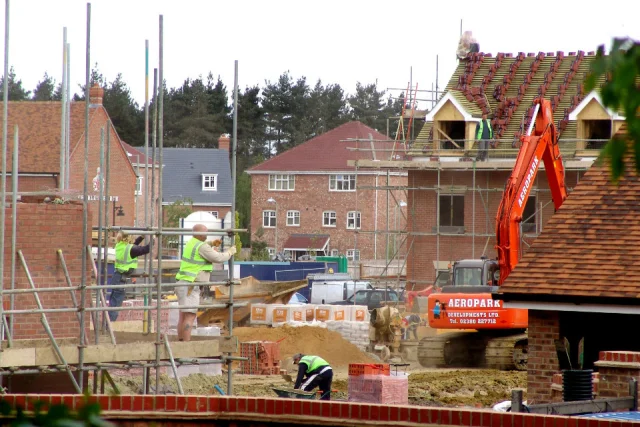
Core requirements of the Future Homes Standard
At its core, the FHS mandates a substantial reduction in operational carbon emissions from new homes. Properties built to the standard are expected to produce around 75–80% fewer emissions than those constructed under 2013 Building Regulations.
A central provision is the move away from fossil fuel heating. New homes will effectively be prohibited from connecting to the gas grid, driving widespread adoption of low-carbon heating technologies such as heat pumps. This represents one of the most transformative aspects of the policy, fundamentally altering the UK’s domestic heating landscape.
The standard also places strong emphasis on building fabric performance. Enhanced insulation, improved airtightness and the reduction of thermal bridging are required to minimise heat loss and energy demand. Windows and doors must meet stricter efficiency thresholds, with lower U-values ensuring better thermal performance.
In addition, the FHS introduces more sophisticated methods for assessing energy use. The shift towards dynamic modelling tools, such as the emerging Home Energy Model, will allow more accurate measurement of a building’s real-world performance, including peak energy demand and smart technology integration.
Renewable energy generation is another key feature. The Government has indicated that most new homes will incorporate technologies such as solar panels alongside low-carbon heating systems, further reducing reliance on grid energy and lowering household bills.
There is also growing alignment with water efficiency targets, with proposals suggesting reductions in household water consumption to as low as 90 litres per person per day by 2030. While not yet a core regulatory requirement, this signals a broader sustainability agenda embedded within the FHS.
Implementation timeline and transitional arrangements
Although published in March 2026, the FHS will not apply immediately to all developments. The Government has outlined a phased implementation, with regulations expected to come into force later in 2026, followed by a transitional period lasting approximately 12 months.
Full compliance is anticipated for all new homes commenced from 2028 onwards.However, the announcement has already been accompanied by controversy, as ministers confirmed that the effective rollout has been pushed back, meaning many homes built in the interim may still rely on gas heating.
Industry reaction and criticism
Reaction across the construction and housing sectors has been mixed. On one hand, industry bodies and sustainability advocates have welcomed the clarity and long-term direction provided by the FHS. Proponents argue that the standard will deliver warmer homes, lower energy bills and greater energy security for households.
There is also recognition that the policy will stimulate innovation across the supply chain, accelerating the adoption of heat pumps, renewable technologies and high-performance building materials.
However, the publication has also attracted significant criticism. A key concern is the delay to full implementation, with experts warning that postponement could result in hundreds of thousands of new homes being built to outdated, higher-carbon standards.
Environmental groups and planning organisations have argued that the FHS does not go far enough to deliver genuinely zero-carbon homes. Some critics suggest that concessions to housebuilders have weakened the standard, potentially allowing developers to meet only minimum requirements while limiting innovation.
Particular controversy has centred on policy “loopholes”, including the continued allowance of certain high-emission features such as wood-burning stoves. Experts warn that these could undermine the ambition of achieving fully carbon-free housing.
There are also concerns about regulatory uniformity. Proposals to standardise requirements nationally may restrict local authorities from imposing more stringent sustainability standards, prompting fears that ambition could be diluted in areas seeking to lead on climate action.
From a commercial perspective, some developers remain cautious about the cost implications of the FHS. While long-term savings for homeowners are widely acknowledged, the upfront costs of compliance—particularly for low-carbon technologies and enhanced building fabric—continue to be a point of debate.
Conclusion
The publication of the Future Homes Standard represents a pivotal shift in UK housing policy, embedding low-carbon design and energy efficiency at the heart of new residential development. Its requirements—ranging from the elimination of gas heating to enhanced insulation and renewable energy integration—signal a clear move towards “zero-carbon ready” homes.
However, the success of the FHS will ultimately depend on its implementation. Delays, perceived concessions and ongoing industry concerns highlight the challenges of balancing environmental ambition with housing delivery and commercial viability. As the transition period unfolds, the effectiveness of the standard in delivering truly sustainable homes will be closely scrutinised by both industry stakeholders and policymakers.
For more information on Long-awaited Future Homes Standard finally published talk to Nationwide Sureties