 Get Listed
Sign In

Why thermal protection starts on the roof
01/08/2026
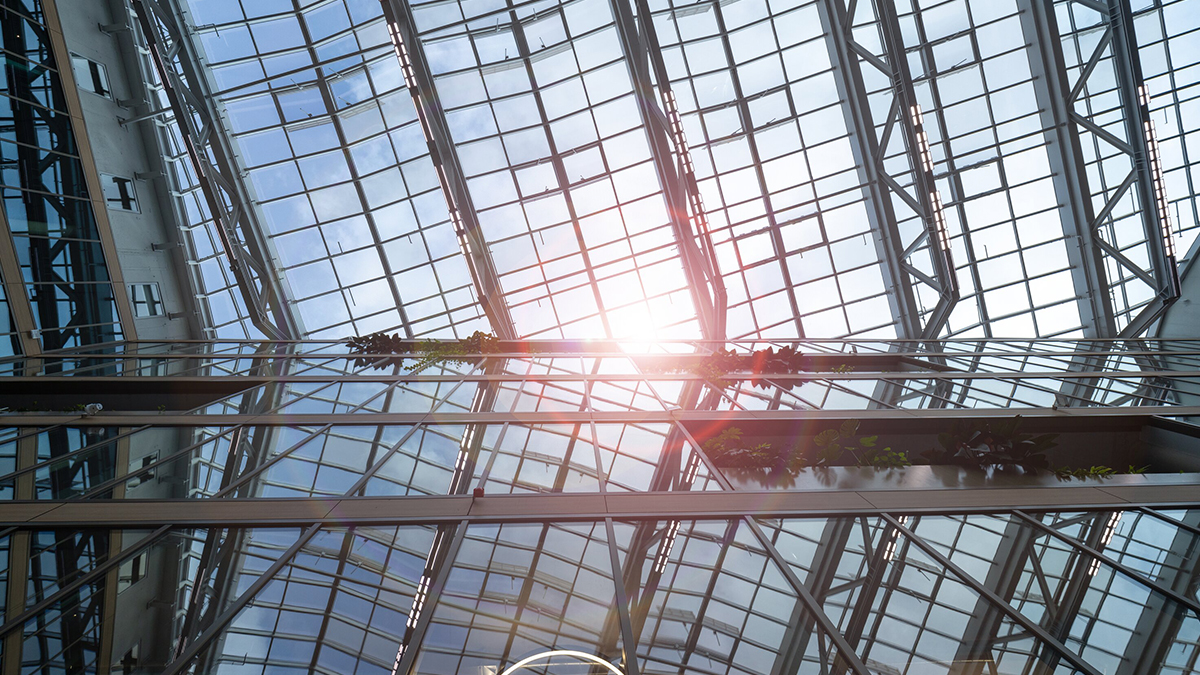
Rising temperatures and more frequent heatwaves are making summertime thermal protection an increasingly important consideration in building design. At the same time, offices, schools, industrial facilities and public buildings still need bright interiors with good levels of natural daylight.
LAMILUX says these requirements need to be considered together rather than as separate issues. Buildings with large glazed areas can be particularly vulnerable to overheating, which can reduce comfort and increase reliance on energy-intensive cooling systems.
Balancing daylight and heat gain
Roof glazing offers an effective way to bring daylight deep into a building, but rooflights, glass roofs and flat roof windows are also exposed to high levels of solar radiation. LAMILUX therefore recommends considering glazing, construction and solar shading together at an early stage of the design process.
Its skylight systems can incorporate glazing concepts that reduce solar heat gain while maintaining high levels of daylight transmission. Thermally optimised upstands and careful detailing at the roof interface can also help reduce thermal bridges and improve overall energy performance.
Integrating solar shading into the glazing
Summertime thermal protection can begin at the point where solar energy reaches the building envelope. Alongside external shading systems, modern skylights can use additional methods to limit heat gain.
Ceramic fritting integrated into the glazing can reduce direct solar radiation while helping to distribute daylight more evenly. Photovoltaic modules can provide shading while generating renewable electricity, while light-guiding systems can direct daylight deeper into the building and help reduce glare.
Using skylights for natural ventilation
Solar shading alone cannot remove all of the heat produced inside a building by occupants, machinery, lighting and technical equipment. Openable skylights can therefore provide a second function by supporting natural ventilation.
Warm air rises and can be released through roof openings while cooler outside air is drawn into the building. The same principle can be used for night-time cooling, allowing heat accumulated during the day to escape during cooler overnight periods.
Sensors and intelligent control systems can automate this process according to the building's requirements.
A complete approach to indoor climate control
LAMILUX says daylight, solar shading, ventilation and thermal protection should be planned as an integrated system. Its skylight solutions combine glazing, shading, opening elements, drives and controls with the aim of creating bright and comfortable interiors while reducing cooling demand during periods of high temperatures.
For more information on Why thermal protection starts on the roof talk to LAMILUX U.K. Ltd
List your company on FindTheNeedle.