 Get Listed


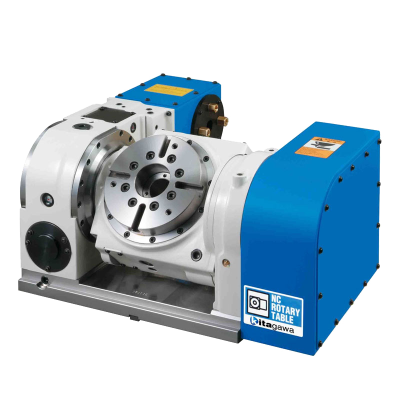
A CNC workholding system can remain operational for many years, but being functional does not necessarily mean it is still right for your production environment. Changes in component complexity, batch sizes, tolerances and automation requirements can all mean workholding that was once suitable begins to restrict machining performance.
For manufacturers under pressure to increase productivity without continually adding machine capacity, recognising these limitations matters. Upgrading a CNC workholding system should therefore be viewed as an opportunity to remove a production constraint, rather than simply replacing older equipment.
Your Setup Times Are Becoming a Bottleneck
One of the clearest signs that a CNC workholding system needs reviewing is excessive setup time. If operators spend significant time indicating fixtures, repositioning components, changing jaws or rebuilding setups between jobs, the workholding process may be limiting productive machining time.
This becomes particularly important in high-mix, low-volume environments where frequent changeovers can consume a substantial proportion of available machine capacity.
Modern quick-change, modular and zero-point workholding solutions can help standardise these processes, reducing non-cutting time and allowing machines to return to production faster.
Repeatability Is Becoming Harder to Maintain
A gradual decline in repeatability can be another indication that existing workholding needs attention. Wear to jaws, chucks, clamping mechanisms and other components can affect positioning and clamping consistency over time.
However, equipment condition is not always the problem. A CNC workholding system designed around older production requirements may simply no longer provide the stability required for tighter tolerances or more demanding components.
Signs that workholding repeatability may be becoming a problem include:
Increasing scrap or rework
More frequent setup adjustments
Inconsistent first-off components
Difficulty maintaining tolerances
Variation between operators or setups
Declining surface finish or machining consistency
These issues should prompt manufacturers to investigate the complete workholding process rather than automatically assuming the machine or cutting tool is responsible.
Your Production Mix Has Changed
Manufacturing requirements rarely remain static. A workholding solution originally selected for long production runs may become inefficient if the business moves towards smaller batches and greater component variety.
Equally, general-purpose workholding may struggle when increasingly complex or higher-value components enter production. Manufacturers should therefore consider whether their CNC workholding system still reflects what they actually produce today.
Greater component variety may favour modular workholding and faster changeovers, while complex multi-face components may require improved tool access or dedicated 5-axis workholding.
You Are Investing in More Capable Machine Tools
A new CNC machine does not automatically deliver its full productivity potential. Manufacturers investing in faster, more accurate or multi-axis machines should also consider whether their existing CNC workholding system can support those capabilities.
Poor tool access, inadequate rigidity or lengthy manual setups can restrict the benefits of an otherwise highly capable machine.
This is particularly relevant for 5-axis machining, where workholding geometry can determine how much of the component can be reached in a single setup. Workholding should therefore form part of the machine investment conversation from the beginning.
Automation Is Becoming Part of the Plan
Another important trigger for upgrading a CNC workholding system is the move towards automation. Robotic loading, palletisation and unattended machining depend on stable, repeatable processes.
This is becoming increasingly relevant as manufacturers invest in automation. Make UK’s Executive Survey 2026 found that “60% are increasing investment in digital technology, AI and automation.” (Make UK, Executive Survey 2026)
If fixtures require frequent manual adjustment or workpieces cannot be positioned consistently, automating the surrounding process becomes considerably more difficult.
Automation readiness can therefore begin before a robot arrives. Standardised workholding, repeatable positioning and consistent fixture locations can create the process foundation required for future machine tending and lights-out production.
For manufacturers taking a staged approach to automation, upgrading workholding can deliver immediate productivity benefits while supporting longer-term automation plans.
Maintenance Is Becoming Too Frequent
Existing workholding should also be reviewed when maintenance requirements begin affecting production reliability. Regular servicing is essential, but increasing downtime or difficulty maintaining clamping performance may indicate that continued maintenance is no longer the most economical option.
The decision should consider the total operational cost of retaining the existing system, including lost production, maintenance labour, replacement components and quality risk.
This total-cost approach provides a more meaningful comparison than looking at the replacement price of a CNC workholding system alone.
Build the Business Case Around the Constraint
Not every older CNC workholding system needs replacing. The strongest upgrade decisions begin by identifying a measurable production problem rather than starting with a particular product or technology.
That constraint might be setup time, inconsistent repeatability, insufficient tool access, excessive maintenance or an inability to support automation.
Manufacturers can then compare the investment against measurable improvements in spindle utilisation, throughput, labour requirements, scrap, setup time and production reliability.
This is particularly important for CapEx-conscious manufacturers, where investments need a clear operational justification and credible route to ROI.
Upgrade Workholding When It Improves the Process
The right time to upgrade a CNC workholding system is not determined by its age alone. The more important question is whether the existing system is preventing the machining process from performing as efficiently, reliably and consistently as it could.
For some manufacturers, the answer may be replacing worn components. For others, it could mean introducing quick-change jaws, modular fixtures, zero-point clamping or a different workholding strategy altogether.
At Kitagawa, we believe workholding decisions should start with the machining application. By understanding the component, machine, production requirements and future objectives, manufacturers can identify where workholding improvements will deliver genuine operational value and create a more reliable foundation for future production.
For more information on When Should You Upgrade Your CNC Workholding System? talk to KITAGAWA EUROPE LTD