 Get Listed


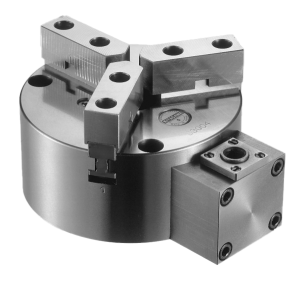
Chuck runout is one of the most common causes of machining inaccuracies in CNC manufacturing. Even small amounts of runout can affect dimensional accuracy, surface finish, tool life and overall production consistency.
As manufacturers continue to demand tighter tolerances and higher productivity, understanding what causes chuck runout - and how to reduce it - has become increasingly important.
For many manufacturers, chuck runout is initially treated as a machine problem. In reality, it is often influenced by multiple factors, including workholding condition, installation practices, machine maintenance and component quality. Addressing these factors can improve repeatability, reduce scrap and help manufacturers achieve more stable machining performance.
What Is Chuck Runout?
Chuck runout refers to the amount a workpiece deviates from true rotational centre when held in a chuck. Ideally, the workpiece should rotate concentrically around the spindle axis. When runout is present, the component rotates slightly off-centre, resulting in machining inaccuracies.
Excessive chuck runout can lead to:
Poor dimensional accuracy
Inconsistent surface finishes
Increased tool wear
Vibration during machining
Higher scrap and rework rates
Reduced process reliability
For manufacturers producing precision components for aerospace, defence, medical and energy industries, even minor levels of runout can have a significant impact on product quality.
Common Causes of Chuck Runout
Worn or Damaged Workholding
Over time, chuck jaws, scrolls, wedges and internal components naturally wear through repeated use. This wear can reduce clamping accuracy and prevent the workpiece from seating consistently.
Regular inspection and preventative maintenance help identify wear before it begins affecting machining performance.
Incorrect Installation
Even high-quality workholding systems can experience runout if they are not installed correctly.
Incorrect mounting, contamination between mating surfaces or poor alignment during installation can introduce unnecessary inaccuracies before machining even begins.
Following manufacturer installation procedures and checking alignment during commissioning helps ensure the chuck performs as intended.
Dirt and Contamination
One of the simplest yet most common causes of chuck runout is contamination.
Small chips, swarf, coolant residue or dirt trapped between the spindle nose, backplate or chuck body can prevent components from seating correctly.
Routine cleaning before installation and during scheduled maintenance can significantly improve repeatability.
Worn Machine Spindle
Chuck runout is not always caused by the chuck itself.
Machine spindle bearings naturally wear over time, particularly in high-production environments. Excessive spindle wear can introduce runout regardless of the quality of the workholding system.
Where persistent runout cannot be traced to the chuck, spindle condition should also be investigated.
Incorrect Clamping for the Application
Using the wrong jaws or applying unsuitable clamping forces can allow the workpiece to move slightly during machining.
Different materials, component geometries and cutting forces require different workholding strategies.
Selecting the appropriate workholding solution for the machining application helps maintain stable clamping throughout the machining cycle.
How to Reduce Chuck Runout
Reducing chuck runout begins with treating workholding as a critical part of the machining process rather than simply a method of holding components.
Maintain Your Workholding
Routine maintenance is one of the simplest ways to minimise runout.
Manufacturers should regularly inspect:
Chuck jaws
Lubrication points
Internal moving components
Clamping mechanisms
Wear surfaces
Preventative maintenance helps maintain repeatable performance while extending workholding life.
Keep Contact Surfaces Clean
Before installing or servicing a chuck, all mating surfaces should be thoroughly cleaned.
Removing swarf, dirt and coolant contamination helps ensure accurate seating between the spindle, backplate and chuck body.
Even microscopic contamination can affect machining accuracy.
Verify Runout Regularly
Rather than waiting for quality issues to appear, manufacturers should routinely measure chuck runout as part of preventative maintenance.
Monitoring runout over time allows maintenance teams to identify gradual wear before it begins affecting production.
This proactive approach helps reduce unplanned downtime and maintain consistent machining performance.
Use High-Quality Workholding
Reliable workholding is fundamental to achieving consistent machining accuracy.
High-quality chucks are manufactured to tight tolerances and designed to maintain repeatable clamping performance throughout long production cycles.
When combined with correct installation and maintenance, premium workholding systems provide greater process stability and long-term reliability.
Why Application Engineering Matters
Reducing chuck runout is not always about replacing equipment.
In many cases, the greatest improvements come from understanding the complete machining process.
Application engineering support can help manufacturers:
Select the correct chuck for the application
Optimise clamping strategy
Improve workpiece support
Reduce vibration
Increase process stability
Improve machining consistency
This engineering-led approach helps manufacturers identify the true cause of runout rather than simply treating the symptoms.
The Benefits of Reducing Chuck Runout
Reducing chuck runout delivers benefits throughout the manufacturing process.
Improved machining accuracy leads to better surface finishes, longer tool life, reduced scrap and greater confidence that components will consistently meet specification. Stable, repeatable workholding also supports higher spindle utilisation, more predictable production and a stronger foundation for future automation.
As UK manufacturers continue to focus on productivity and operational efficiency, reducing machining variation becomes increasingly important. Reliable workholding, combined with correct maintenance and practical application engineering, helps manufacturers improve process consistency while protecting long-term machining performance.
At Kitagawa UK, we understand that precision begins with reliable workholding. By combining high-performance chuck technology with practical engineering expertise, we help manufacturers reduce chuck runout, improve repeatability and achieve consistent machining performance across demanding production environments.
For more information on What Causes Chuck Runout and How Can You Reduce It? talk to KITAGAWA EUROPE LTD