 Get Listed


How often should a CNC chuck be maintained?
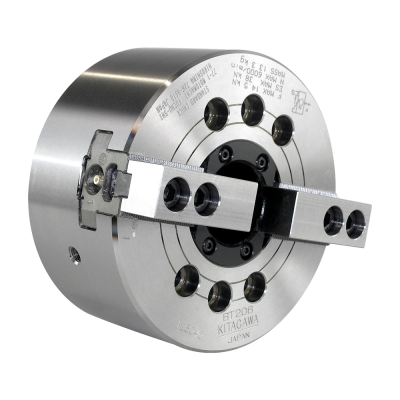
Regular CNC chuck maintenance is essential for maintaining gripping force, accuracy and reliable machining performance. However, there is no single maintenance interval that applies to every chuck and application. The correct schedule depends on chuck design, operating conditions, production intensity and the manufacturer’s recommendations.
As a general principle, chuck condition should be checked daily, lubrication carried out at the specified interval, and more comprehensive inspections scheduled throughout the year. For Kitagawa standard chucks, for example, greasing is recommended daily or once per shift, while other designs may require less frequent lubrication.
Why Is CNC Chuck Maintenance Important?
A CNC chuck operates under repeated clamping forces while being exposed to swarf, coolant and demanding machining conditions. Without adequate maintenance, contamination and insufficient lubrication can gradually affect its performance.
This can lead to reduced gripping force, poorer accuracy, abnormal wear and eventually operational problems. The consequences can extend beyond the chuck itself, affecting component quality, setup consistency and production reliability.
Lubrication can make a substantial difference. Kitagawa's 2026 technical guidance states that correctly greasing a chuck can “increase your gripping force by up to 50%.” (Kitagawa Workholding Solutions 2026)
What CNC Chuck Maintenance Should Be Done Daily?
Daily maintenance should focus on keeping the chuck clean and identifying developing problems before they affect production.
Operators should look for swarf, contamination, unusual movement or changes in clamping behaviour. Cleaning the chuck body prevents chips and coolant residue accumulating around critical moving and contact surfaces.
For Kitagawa standard chucks, daily or once-per-shift greasing is recommended to maintain repeatability and grip force. However, lubrication intervals differ between chuck designs, so operators should always follow the instruction manual for the specific model.
What Should Be Checked Periodically?
Not every CNC chuck maintenance task needs to happen daily. More detailed inspections should be incorporated into a planned preventative maintenance schedule.
Depending on the chuck and manufacturer guidance, this can include:
Checking bolts and fasteners for correct tightness
Inspecting jaws and sliding surfaces for wear
Checking gripping performance and jaw movement
Inspecting for contamination or abnormal wear
Confirming lubrication is reaching critical surfaces
Checking chuck accuracy and repeatability
Disassembling and cleaning at the recommended interval
Kitagawa’s current guidance for many chuck designs includes checking bolts every three months and disassembly and cleaning at six months or 100,000 strokes. Exact requirements should always be confirmed against the relevant chuck manual.
Operating Conditions Can Change Maintenance Frequency
Maintenance schedules should reflect how the chuck is actually being used.
High-volume production means considerably more clamping cycles than occasional machining. High rotational speeds and extensive use of water-soluble coolant can also increase lubrication requirements.
Material matters too. Machining cast iron, for example, can expose workholding components to fine abrasive particles that may require more frequent cleaning and inspection.
Rather than treating CNC chuck maintenance as a fixed calendar task, manufacturers should consider operating hours, cycles, materials and machining environment alongside manufacturer recommendations.
Look for Changes in Chuck Performance
Preventative maintenance should identify deterioration before it becomes a production problem.
Changes in gripping force, accuracy, jaw movement or repeatability can indicate that the chuck requires attention. Increasing setup adjustments or unexplained variation between components should also trigger an inspection.
These symptoms should not automatically lead to chuck replacement. Cleaning, lubrication, jaw maintenance or servicing may restore performance if the underlying issue is identified early enough.
Don't Wait for a Failure
Running a chuck until something visibly fails can turn routine maintenance into unplanned downtime.
A better approach is to integrate CNC chuck maintenance into the wider preventative maintenance programme. Recording lubrication, inspections and servicing also helps manufacturers understand how performance changes over the chuck's operational life.
This becomes particularly important in automated or unattended machining environments, where reliable and predictable clamping is fundamental to maintaining process stability without constant operator intervention.
Follow the Maintenance Schedule for Your Chuck
So, how often should a CNC chuck be maintained? The answer depends on the chuck, but maintenance should be ongoing rather than something carried out only when performance deteriorates.
Daily cleaning and inspection, correct lubrication and scheduled deeper maintenance can help preserve gripping force, accuracy and reliability. Most importantly, manufacturers should follow the maintenance instructions for their specific chuck rather than applying a generic interval across every workholding system.
At Kitagawa, maintaining reliable workholding performance is considered part of the complete machining process. Correct maintenance, appropriate lubrication and access to technical support can help manufacturers protect chuck performance while creating safer, more stable and repeatable production.
For more information on How often should a CNC chuck be maintained? talk to KITAGAWA EUROPE LTD