 Get Listed

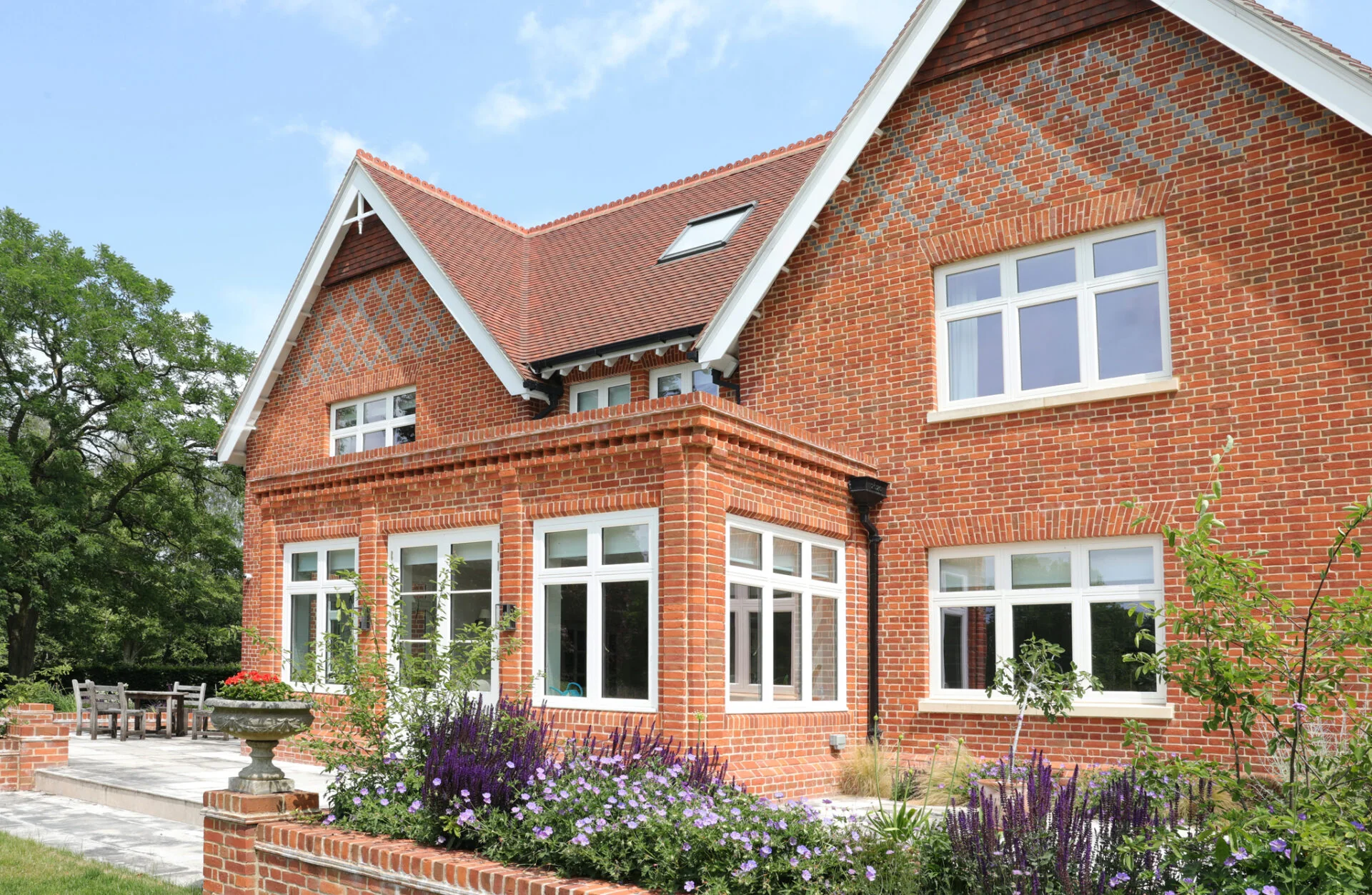
Getting Brick Matching Right from the Start
Matching existing brickwork is one of the most important parts of any extension, renovation, or restoration project — yet it is often underestimated until work begins. When handled properly, new brickwork blends naturally with the original building and helps preserve the overall character of the property. When it is done poorly, even high-quality construction work can feel visually disconnected from the existing structure.
Whether you are extending a Victorian terrace, repairing a Georgian property, or carrying out alterations to an older home, understanding how to approach brick matching correctly can make a significant difference to the final result.
Getting Brick Matching Right from the Start
Brickwork plays a major role in the appearance of a building. Small differences in colour, texture, size, or mortar can quickly become noticeable once new materials are introduced alongside older masonry.

This is particularly important on extensions where new and old brickwork meet directly, as well as on visible repairs, infill sections, conservation projects, and listed buildings where maintaining the original appearance of the property is essential.
A successful match helps new work sit naturally alongside the original building, while a poor match can make even a well-built project feel out of place.
Why Matching Brickwork Can Be Difficult
At first glance, brick matching might seem relatively straightforward. In reality, it is often one of the more challenging aspects of a project.
Older bricks change significantly over time. Years of weather exposure, pollution, moisture, and natural ageing all affect the appearance of brickwork. Bricks that may once have looked uniform can soften, darken, or develop variation in tone over decades.
Traditional manufacturing methods also contribute to the challenge. Many period properties were built using handmade or traditionally fired bricks, which naturally contain variation in colour, texture, and shape. Those subtle irregularities are part of what gives older buildings their character, but they can be difficult to replicate using standard modern facing bricks.
Modern production methods tend to prioritise consistency and uniformity, which can sometimes make newer materials appear too clean or overly precise when installed alongside older masonry.
The Most Important Factors to Consider
Successful brick matching usually comes down to balancing several different elements together rather than focusing on one feature alone.
Colour is often the first thing people notice, but it should never be judged in isolation. Traditional clay bricks often contain multiple tones created during the firing process, and these can appear very different depending on weather conditions and natural light.
Texture is equally important. Handmade and traditionally manufactured bricks tend to have softer edges and more variation across the face of the brick compared to machine-made alternatives. This becomes particularly noticeable across larger wall areas.
Brick size is another major consideration. Many older properties were built using imperial brick dimensions, which differ slightly from modern metric sizes. Even small differences can affect mortar joints and coursing lines, making the mismatch more noticeable across the wall.
Mortar also plays a huge role in the finished appearance. In many cases, mortar colour and joint finish influence the overall look just as much as the brick itself.
Why Standard Modern Bricks Often Look Wrong
One of the most common issues with extension and repair work is the use of standard modern facing bricks on older properties.
While the colour may initially appear close, many modern bricks lack the variation, texture, and softer appearance found in traditional materials. The result can feel too uniform and noticeably different from the original building once installed.
New bricks also have not yet weathered naturally, which can make them appear sharper and cleaner compared to surrounding masonry. Even a good match can initially stand out before it gradually softens over time.
For this reason, many homeowners, architects, and builders choose traditionally manufactured handmade bricks when working on period-style projects or heritage properties.
How Professionals Approach Brick Matching
Experienced builders and brick specialists rarely rely on a single sample or quick visual comparison. Brick matching is usually approached as a process rather than a one-step decision.

Samples are normally compared directly against the existing property in natural daylight and from multiple angles. This gives a far more accurate understanding of how the materials will look once installed.
It is also common practice to blend bricks from different packs during construction to recreate the natural variation found within older brickwork. This helps avoid the flat or overly consistent appearance that can occur when one batch is used throughout.
In many cases, the goal is not necessarily to achieve a perfect match, but rather a sympathetic one that feels appropriate to the style, age, and character of the property.
Choosing the Right Bricks for Period Properties
Traditionally manufactured bricks are often the best choice when working on extensions, renovations, and heritage-style projects. Handmade bricks, in particular, provide the texture, variation, and character that older buildings naturally developed over time.
At Heritage Brick Company, our range of handmade bricks is regularly used on period property extensions, restoration work, and sympathetic new builds where maintaining a traditional appearance is important.
For projects requiring a more aged or weathered appearance, reclaimed bricks may be better suited, these are available from Reclaimed Brick Company website offering alternative material supply suitable for matching existing masonry on older properties.
Common Brick Matching Mistakes
One of the biggest mistakes is focusing purely on brick colour while overlooking texture, mortar, and brick size. All of these elements work together visually, and ignoring one can affect the overall appearance of the finished wall.
Another common issue is relying on a single sample brick rather than comparing several options in context. Lighting conditions, weather exposure, and surrounding materials can all influence how brickwork appears once installed.
Using bricks from a single batch without blending can also make new work feel too uniform compared to older masonry.
How Heritage Brick Company Can Help
Matching brickwork on older properties can be challenging, particularly where materials have weathered over decades or original brick types are no longer widely available.
Our brick matching service helps identify suitable materials based on colour, texture, size, and overall character. We work with homeowners, builders, architects, and developers looking to achieve a more sympathetic finish on period-style projects.
Alongside our handmade and reclaimed ranges, we also supply a broad selection of traditional clay products suitable for extensions, renovations, and heritage-led developments across the UK.
Final Thoughts
Good brick matching is rarely about finding a brick that looks identical on its own. It is about understanding how colour, texture, mortar, weathering, and traditional manufacturing methods work together across the building as a whole.
While achieving a completely perfect match is not always possible, taking a careful and informed approach can produce results that feel natural, balanced, and visually consistent with the original property.
For advice on matching bricks for extensions, repairs, or renovation projects, Heritage Brick Company can help guide you towards materials that complement the age and character of your building.
For more information on Matching Brickwork for Period Property Extensions and Repairs talk to Heritage Brick Company