 Get Listed
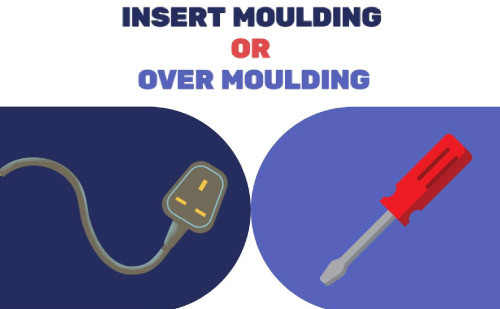
When designing a product that combines plastic with other materials—like metal, rubber, or another plastic—two terms often come up: insert moulding and over moulding. Both are specialised processes used by experienced injection moulders, but they serve different purposes and suit different applications.
In this article, we’ll break down the difference between the two and help you decide which process might be right for your next project.
What is Insert Moulding?
Insert moulding is the process of placing a pre-formed component (usually metal) into a mould and then injecting plastic around it. The result is a single, integrated part that combines plastic with the insert material.
Common examples include:
-
Metal screw threads within plastic housings
-
Electrical terminals inside plugs or connectors
-
Bushings, blades, or shafts embedded in plastic tools
Benefits:
-
Strong mechanical bond without adhesives
-
Reduced assembly time and costs
-
Improved durability and alignment
As a UK-based plastic injection moulder, we often engage in discussions with clients about components that require tight tolerances between metal inserts and plastic bodies—especially for automotive, electronics, and industrial clients.
What is Over Moulding?
Overmoulding involves moulding one material over another, typically a soft-touch plastic (like TPE or rubber) over a hard plastic base. This creates a dual-material part that feels and performs differently in different areas.
Common examples include:
-
Soft grips on tool handles
-
Sealed buttons on electronic devices
-
Ergonomic coatings on toothbrushes or razors
Benefits:
-
Enhanced grip, comfort, or impact resistance
-
Integrated seals or barriers
-
Aesthetic finishes with no secondary processes
Our over moulding capabilities allow clients to add premium features to consumer products, without extra assembly or adhesives.
So, What’s the Difference?
|
Feature |
Insert Moulding |
Overmoulding |
|---|---|---|
|
Purpose |
Bonding plastic to metal (or other hard insert) |
Moulding soft material over a plastic base |
|
Process |
Insert is placed in tool before plastic injection |
First shot is moulded, then second material moulded over |
|
Use Case |
Functional components (e.g. metal threads) |
Cosmetic/ergonomic enhancements (e.g. rubber grip) |
|
Materials |
Plastic + metal/glass/ceramic |
Two types of plastic or rubber + plastic |
Which One Is Right for Your Product?
Choosing between insert moulding and over moulding depends on:
-
The functionality of your part
-
Materials involved
-
Desired aesthetic or ergonomic features
-
Assembly and cost constraints
At Great Central Plastics, we help customers evaluate the right process early in the design phase—ensuring a more efficient production route with fewer surprises later on.
Talk to a Specialist Injection Moulder
Whether you’re working with metal inserts or need a soft-touch over moulded finish, our experienced team of plastic injection moulders is here to guide you from concept to tooling to production.
For more information on Insert Moulding vs Over Moulding: What’s the Difference? talk to Great Central Plastics Ltd