 Get Listed

Which Sectors Use Non-Destructive Testing?
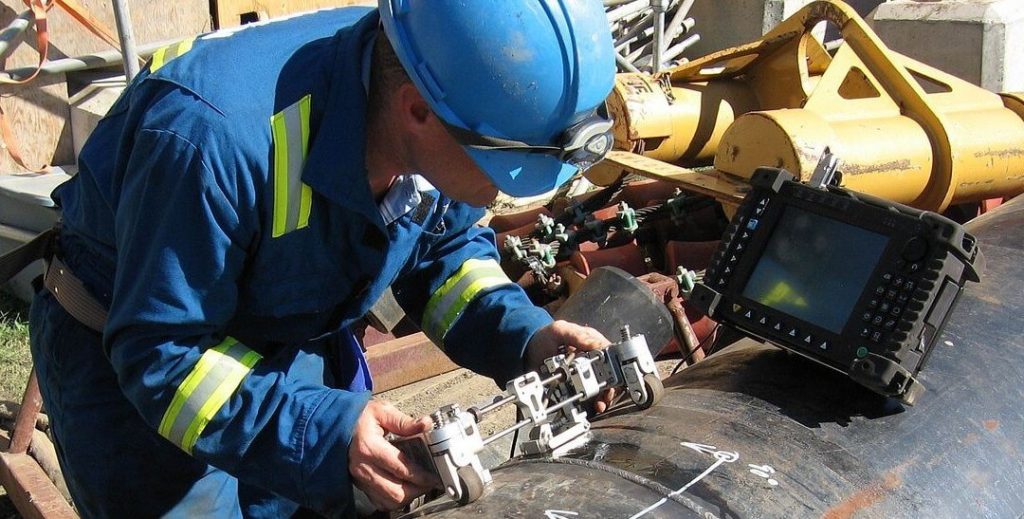
Non-destructive testing (NDT) is a vital component in industries where safety, reliability, and efficiency are paramount. This technology encompasses a range of techniques used to evaluate the integrity, properties, or functionality of materials, components, or structures without causing damage. It plays a significant role in ensuring compliance with safety regulations, extending the lifespan of assets, and preventing catastrophic failures. From aerospace to healthcare, the scope of NDT is both vast and critical. In this article, we explore the key sectors in the UK and beyond where non-destructive testing is indispensable, highlighting its applications and impact on the modern industrial landscape.
Aerospace: Maintaining Safety in the Skies
The aerospace industry relies heavily on non-destructive testing to maintain safety and performance standards. Aircraft components are subjected to intense pressures, vibrations, and varying temperatures during operation, making the detection of defects and material fatigue critical. Techniques such as ultrasonic testing, radiography, and eddy current testing are routinely used to inspect critical parts, including turbine blades, fuselage structures, and landing gear. In the UK, the stringent regulatory environment set by authorities such as the Civil Aviation Authority (CAA) requires aerospace companies to adopt advanced NDT techniques. These methods not only help detect flaws but also ensure that repairs are done efficiently without compromising structural integrity. Additionally, with the rise of additive manufacturing in aerospace, NDT plays a pivotal role in validating 3D-printed components to ensure they meet the required standards.
Oil and Gas: Ensuring Integrity in Harsh Environments
The oil and gas sector presents some of the most challenging conditions for materials and equipment. From the corrosive effects of seawater on offshore rigs to the high-pressure environments within pipelines, the risk of failure is significant. NDT provides a reliable means of monitoring the condition of assets without disrupting operations. In this sector, techniques such as magnetic particle testing, ultrasonic testing, and corrosion mapping are widely employed to inspect pipelines, storage tanks, and pressure vessels. The UK’s North Sea oil and gas operations rely extensively on these technologies to mitigate risks associated with ageing infrastructure and to ensure compliance with environmental and safety standards. By detecting cracks, corrosion, and weld defects early, companies can avoid costly downtime and environmental disasters.
Construction: Building with Confidence
The construction sector is another major beneficiary of non-destructive testing. As infrastructure projects grow in complexity and scale, ensuring the quality and safety of materials and structures has become a priority. NDT is widely used to inspect structural steel, concrete, and welds in buildings, bridges, and other infrastructure projects. In the UK, with its emphasis on sustainable and safe construction practices, NDT helps developers and contractors meet regulatory requirements while maintaining high-quality standards. For example, ultrasonic pulse velocity testing is used to assess the quality of concrete, while radiographic testing ensures the integrity of welds in steel structures. These methods not only verify compliance with design specifications but also enhance the lifespan of critical infrastructure.
Energy Generation: Safeguarding Power Plants
The energy sector, including nuclear, renewable, and conventional power generation, depends on non-destructive testing to ensure the reliability and safety of its equipment. In nuclear power plants, for instance, components such as reactor vessels, heat exchangers, and steam generators are inspected using techniques like phased array ultrasonic testing and radiography. In the renewable energy sector, NDT is used to inspect wind turbine blades, solar panels, and hydroelectric plant components. Wind turbine blades, often subjected to high stress and environmental exposure, are examined using methods like thermography and ultrasonic testing to detect delaminations, cracks, and other defects. The UK’s push towards renewable energy has increased demand for such inspections, ensuring that green energy assets remain operational and safe over their lifespans.
Customer representation NDT
Water and Wastewater: Monitoring Critical Infrastructure
Water and wastewater treatment facilities are vital for public health and environmental sustainability, and non-destructive testing plays a key role in their operation. Components such as pipelines, storage tanks, and treatment equipment are subject to corrosion, leaks, and wear over time. NDT techniques such as ultrasonic testing and thermography are used to inspect these assets without disrupting the water supply or treatment process. In the UK, where water management is heavily regulated, NDT ensures compliance with environmental standards and safety protocols. It also helps identify early signs of deterioration, allowing for timely repairs and reducing the risk of contamination or service interruptions. This is particularly critical as the demand for sustainable water management grows in response to climate change and population growth.
Agriculture: Supporting Modern Farming Equipment
Modern agriculture depends heavily on advanced machinery and equipment, from tractors to irrigation systems. Non-destructive testing is used in the agricultural sector to maintain the reliability and performance of these machines. Techniques such as magnetic particle testing and visual inspection are applied to check for cracks, corrosion, and wear in critical components. The UK’s agricultural industry, which is increasingly adopting precision farming technologies, benefits from NDT in ensuring the durability and efficiency of its tools and equipment. For example, drone-assisted thermographic inspections are used to monitor the condition of irrigation systems, while ultrasonic testing helps assess the integrity of metal components in heavy machinery. These measures enhance productivity and reduce maintenance costs for farmers.
Automotive: Enhancing Safety and Performance
The automotive industry is another major sector that depends on non-destructive testing for quality assurance and safety compliance. Vehicle components such as engines, axles, and brake systems must meet stringent safety standards, and NDT ensures that these parts are free from defects that could lead to failure. Techniques such as eddy current testing, X-ray inspection, and ultrasonic testing are commonly used in automotive manufacturing. In the UK, home to a thriving automotive industry that includes luxury and electric vehicle production, NDT is integral to maintaining high-quality standards. Manufacturers rely on these techniques to ensure that new technologies, such as battery packs for electric vehicles, are safe and reliable. By integrating NDT into production lines, the industry can reduce recalls, enhance performance, and build consumer trust.
Transportation and Railways: Ensuring Reliability and Safety
The transportation sector, particularly railways, is another domain where non-destructive testing plays a crucial role. Railway tracks, wheels, and axles are subjected to significant wear and tear, making routine inspection vital to prevent accidents. Ultrasonic testing and magnetic particle inspection are commonly used to detect cracks and flaws in rails and rolling stock components. In the UK, where rail transport is a critical mode of commuting and freight movement, NDT helps maintain the integrity of the rail network. Regular inspections ensure that tracks remain safe for high-speed trains and freight operations. Additionally, the adoption of automated NDT systems in the railway sector enhances the efficiency and accuracy of inspections, reducing downtime and maintenance costs.
Healthcare: Protecting Patients and Advancing Medicine
While non-destructive testing is often associated with industrial applications, it also has a significant role in the healthcare sector. Medical imaging techniques such as X-ray, MRI, and ultrasound are forms of NDT used to diagnose and monitor health conditions. These technologies allow healthcare professionals to examine internal structures of the body without invasive procedures. Beyond diagnostics, NDT methods are used to inspect medical equipment and devices. For instance, ultrasonic testing ensures the integrity of surgical instruments, while radiography checks the quality of prosthetics and implants. The UK’s robust healthcare system, including the NHS, relies on these technologies to deliver safe and effective care to patients.
Cultural Heritage and Conservation: Preserving the Past
Non-destructive testing has found a unique application in the field of cultural heritage and conservation. Museums, archaeologists, and conservationists use NDT techniques to examine historical artefacts, artworks, and structures without causing damage. Methods like X-ray radiography, thermography, and ultrasonic testing provide valuable insights into the composition and condition of heritage objects. In the UK, home to iconic historical sites and artefacts, NDT is instrumental in preserving the nation’s cultural heritage. By understanding the structural integrity and hidden details of artefacts, conservationists can make informed decisions about restoration and preservation efforts.
Non Destructive Testing Liverpool
Electronics: Guaranteeing Precision in Microtechnology
The electronics industry demands extreme precision, as even microscopic defects can render components useless or cause devices to fail. Non-destructive testing plays a crucial role in ensuring the reliability and performance of electronic components and systems. Techniques such as X-ray inspection and acoustic microscopy are frequently used to examine the internal structure of semiconductors, printed circuit boards (PCBs), and solder joints. In the UK, where advanced electronics manufacturing is integral to industries such as telecommunications, defence, and healthcare, NDT ensures that products meet rigorous quality standards. X-ray inspection, for instance, allows manufacturers to detect voids, cracks, or misalignments within PCBs without damaging the components. Similarly, acoustic microscopy helps identify delaminations or voids in materials used for microelectronics packaging. These technologies are particularly vital as devices become smaller and more complex, with components layered in intricate assemblies. Beyond manufacturing, NDT is essential for testing electronic systems used in critical applications, such as medical devices or aerospace avionics, where failure is not an option. The adoption of AI and machine learning in NDT processes is further enhancing the accuracy and speed of inspections in this sector. By ensuring flawless performance, NDT continues to underpin the UK’s reputation for cutting-edge electronics innovation and reliability.
Food and Beverage: Ensuring Product Safety and Packaging Integrity
The food and beverage industry, often overlooked in discussions of non-destructive testing, relies on NDT to uphold safety standards and maintain product quality. Techniques such as X-ray and ultrasonic testing are used to inspect packaging for leaks, contamination, or structural defects, ensuring that products reach consumers in pristine condition. In the UK, with its strict food safety regulations and high consumer expectations, NDT is an invaluable tool for quality assurance. For example, X-ray inspection systems are widely used in production lines to detect foreign objects such as metal fragments or glass particles in packaged goods. Ultrasonic testing, on the other hand, is employed to evaluate the seal integrity of flexible and rigid packaging, ensuring that products remain safe from contamination during storage and transport. Beyond packaging, NDT is also used to monitor equipment in food processing plants. Techniques such as thermal imaging and vibration analysis help identify wear, corrosion, or inefficiencies in machinery like pasteurisers, mixers, and conveyor belts. By preventing unexpected equipment failures, NDT supports uninterrupted production and reduces costs for manufacturers. As sustainability becomes a greater focus in the food sector, NDT also aids in the development and validation of eco-friendly packaging materials, contributing to the industry’s environmental goals.
Telecommunications: Securing Reliability in a Connected World
The telecommunications industry, at the heart of the UK’s digital economy, relies on non-destructive testing to ensure the reliability of its vast infrastructure. From fibre optic cables and satellites to cell towers and data centres, NDT is vital for inspecting components and maintaining the systems that keep the world connected. Fibre optic cables, which form the backbone of modern telecommunications, are subjected to rigorous NDT during manufacturing and installation. Techniques such as optical time-domain reflectometry (OTDR) are used to detect defects or breaks in cables without physical damage. Similarly, radiography and ultrasonic testing are applied to inspect the welds and joints of satellite components, ensuring the structural integrity of these critical assets before they are launched into orbit. On the ground, NDT helps maintain cell towers and antennas, which are exposed to harsh weather and environmental conditions. Corrosion and structural fatigue are common issues, and inspections using ultrasonic or visual testing ensure these structures remain safe and operational. With the rollout of 5G networks in the UK, the importance of NDT is growing further, as companies strive to install and maintain equipment that meets the demands of high-speed, low-latency communication. By ensuring the resilience of telecom infrastructure, NDT continues to support the digital transformation of society.
The Universal Relevance of Non-Destructive Testing
Non-destructive testing is a cornerstone of modern industry, touching nearly every sector that values safety, reliability, and efficiency. From ensuring the integrity of critical infrastructure to advancing healthcare diagnostics and preserving cultural heritage, its applications are diverse and essential. In the UK, where stringent regulatory standards and a commitment to innovation drive industrial practices, NDT continues to evolve, offering advanced solutions to meet emerging challenges. As technology progresses, the scope of non-destructive testing is set to expand further, solidifying its role as a vital tool in ensuring safety and sustainability across sectors. Whether in aerospace or archaeology, NDT remains an indispensable ally in safeguarding the present and building a resilient future. Contact the team at Format NDT to find out more.
For more information on Which Sectors Use Non-Destructive Testing? talk to Format NDT Ltd