 Get Listed

The Role of an NDT Inspector
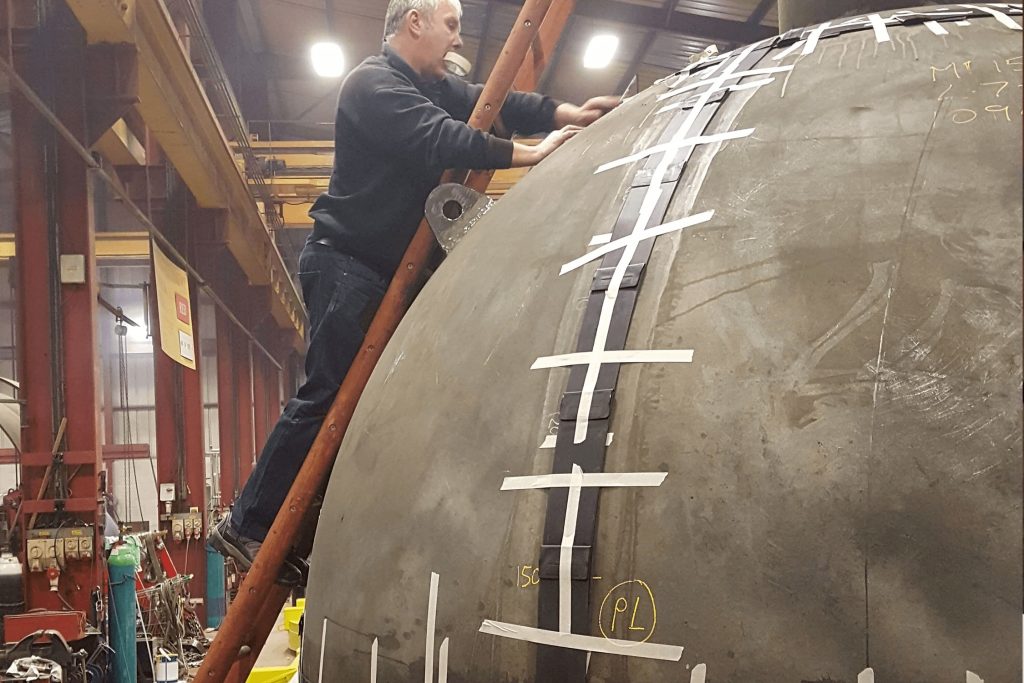
Non-destructive testing, known widely as NDT, is an essential process in many of the UK’s most critical industries. It allows engineers and technicians to assess the condition of materials, components, and structures without causing damage to them, ensuring they remain safe, reliable, and compliant with industry standards. At the heart of this process is the NDT inspector, a professional whose work protects people, the environment, and the integrity of industrial assets.
The role of an NDT inspector is highly skilled and requires a blend of technical expertise, meticulous attention to detail, and a deep understanding of safety and compliance regulations. From aerospace to rail, oil and gas to renewable energy, NDT inspectors provide the insight and assurance that keeps operations running safely and efficiently.
Understanding What an NDT Inspector Does
An NDT inspector is responsible for evaluating the condition of materials and structures using testing methods that do not alter their physical state. This work often involves identifying cracks, corrosion, welding defects, or other irregularities that could compromise safety or performance. Inspections may take place during the manufacturing process, as part of scheduled maintenance, or in response to suspected issues.
In the UK, the scope of an NDT inspector’s duties can be broad, depending on the industry and the type of asset being tested. In manufacturing, they may be checking newly fabricated components before they leave the factory floor. In the energy sector, they may be monitoring the ongoing condition of pipelines, turbines, or offshore structures. Whatever the setting, the core objective is the same: to ensure that materials and structures meet the strict standards set by both industry and government regulations.
The Skills Required to Be an NDT Inspector
The work of an NDT inspector is as much about interpretation as it is about testing. While modern NDT equipment can provide incredibly detailed data, it is the inspector’s skill and judgement that determine whether a component is fit for service. This requires a strong foundation in the principles of materials science, an understanding of different manufacturing processes, and the ability to apply complex testing techniques accurately.
An NDT inspector must also possess excellent observational skills, patience, and precision. Inspections are often carried out in challenging environments where access is restricted, lighting is poor, or external factors such as weather and temperature add complexity. In the UK, where inspections may be performed outdoors in variable conditions, adaptability is an important part of the job.
Radiographic inspection
Training and Certification for NDT Inspectors in the UK
In the UK, becoming an NDT inspector involves undertaking recognised training and achieving certification from an accredited body. The most widely recognised scheme is PCN (Personnel Certification in Non-Destructive Testing), administered by the British Institute of Non-Destructive Testing (BINDT). PCN certification is respected internationally and is often a prerequisite for working in certain industries.
Training typically combines theoretical study with hands-on practical experience. Candidates must learn not only how to operate testing equipment, but also how to interpret results and understand the limitations of different techniques. Each NDT method has its own specific training requirements, and inspectors may specialise in techniques such as ultrasonic testing, magnetic particle inspection, radiographic testing, penetrant testing, or eddy current testing.
Certification is structured into levels, with Level 1 allowing an inspector to carry out tests according to written instructions, Level 2 qualifying them to interpret results and take responsibility for inspections, and Level 3 designating an advanced expert who can develop testing procedures and oversee teams. Maintaining certification requires periodic renewal, ensuring that inspectors remain up to date with evolving industry practices and technology.
Day-to-Day Responsibilities of an NDT Inspector
The daily work of an NDT inspector can vary significantly depending on the sector they work in, but certain responsibilities are common across most roles. One key task is preparing the inspection site or component, which may involve cleaning surfaces, setting up equipment, or reviewing engineering drawings and specifications. The inspector must then select the most appropriate testing method for the job, considering factors such as material type, thickness, and the nature of the potential defect.
During the inspection itself, precision is critical. The inspector must operate equipment accurately, follow strict procedures, and document every step of the process. Once data is collected, they must analyse it carefully, identifying any flaws and determining whether they fall within acceptable limits. Detailed reports are then prepared for clients or supervisors, often including recommendations for repairs or further monitoring.
The Importance of Accuracy and Integrity
The findings of an NDT inspector can have significant consequences. A missed defect could lead to equipment failure, environmental damage, or even loss of life. Conversely, an incorrect diagnosis could result in unnecessary repairs, costly downtime, and wasted resources. For this reason, integrity and accuracy are at the heart of the profession.
In the UK, industries such as aerospace, nuclear energy, and rail are subject to strict regulatory oversight, and NDT inspectors play a key role in ensuring compliance. Inspectors must remain impartial, making their decisions based solely on the evidence at hand, regardless of external pressures or commercial considerations.
Working Environments for NDT Inspectors
An NDT inspector’s working environment can range from high-tech laboratories to offshore oil platforms. In manufacturing, inspections may be conducted in clean, controlled facilities. In contrast, inspectors in the oil and gas or renewable energy sectors may work outdoors in challenging weather, sometimes in remote or offshore locations.
In the UK’s growing offshore wind industry, NDT inspectors are often required to work at height or underwater, inspecting turbine blades, towers, and foundations. In rail, inspections may be carried out along miles of track, often during the night to avoid service disruptions. Each environment presents its own challenges, and inspectors must be prepared to work safely and efficiently under a wide variety of conditions.
Industry Sectors Employing NDT Inspectors in the UK
NDT inspectors are employed across a wide range of UK industries. In aerospace, they ensure that aircraft components are free from defects that could compromise safety. In the rail sector, they monitor the condition of tracks, wheels, and axles to prevent failures. In oil and gas, they inspect pipelines, storage tanks, and offshore structures to detect corrosion or fatigue before it leads to leaks or breakdowns.
The construction and civil engineering sectors also rely heavily on NDT, particularly for assessing the condition of bridges, tunnels, and other critical infrastructure. The UK’s nuclear and renewable energy industries depend on NDT inspectors to ensure the integrity of reactors, wind turbines, and hydroelectric equipment.
Technological Developments in the Work of NDT Inspectors
The role of an NDT inspector is evolving as new technologies are introduced. Digital imaging, data analysis software, and automated inspection systems are changing the way inspections are carried out and reported. Remote inspection techniques using drones or robotic systems are becoming more common, especially in hazardous or hard-to-reach locations.
In the UK, these technological advances are helping inspectors work more safely and efficiently, but they also require inspectors to continually update their skills. Understanding how to operate new equipment, interpret digital data, and integrate technology into established inspection procedures is becoming an increasingly important part of the job.
The Challenges Faced by NDT Inspectors
While the work of an NDT inspector can be rewarding, it is not without its challenges. Inspectors must often work to tight deadlines, balancing the need for thoroughness with the operational demands of their clients. Environmental factors such as weather, temperature, and lighting can affect the accuracy of inspections, requiring adaptability and problem-solving skills.
Another challenge is the responsibility that comes with the role. Knowing that their findings can influence major safety decisions means that inspectors must maintain high levels of concentration and professionalism at all times. In industries where safety is paramount, there is little margin for error.
Career Progression and Opportunities
In the UK, a career as an NDT inspector can lead to a wide range of opportunities. With experience and additional training, inspectors can progress to senior or supervisory roles, become Level 3 certified specialists, or move into consultancy positions. Some inspectors choose to focus on a particular industry or testing method, while others develop expertise across multiple techniques to broaden their career options.
Because NDT skills are in demand globally, certified inspectors may also have opportunities to work overseas. This can be particularly appealing for those interested in industries such as offshore oil and gas, shipbuilding, or large-scale infrastructure projects.
The Future of the NDT Inspector Role in the UK
The demand for skilled NDT inspectors in the UK is likely to grow in the coming years. Investment in renewable energy, infrastructure projects, and advanced manufacturing will increase the need for high-quality inspections. At the same time, the emphasis on safety, sustainability, and asset reliability means that the work of NDT inspectors will remain central to many industries.
As technology continues to advance, inspectors will need to adapt to new tools and techniques while maintaining the core skills that underpin the profession. The combination of human judgement, technical knowledge, and ethical responsibility will ensure that NDT inspectors remain an indispensable part of the UK’s industrial landscape.
Conclusion
The role of an NDT inspector is both technically demanding and critically important. These professionals provide the assurance that keeps aircraft flying safely, trains running smoothly, pipelines operating without leaks, and infrastructure standing strong. In the UK, where safety regulations are strict and industrial standards are high, the work of an NDT inspector is trusted and respected across multiple sectors.
For those with the right combination of technical skill, attention to detail, and commitment to safety, a career as an NDT inspector offers variety, challenge, and the opportunity to make a meaningful contribution to some of the country’s most vital industries. As technology evolves and industries adapt, the role will continue to grow in scope and importance, ensuring that NDT inspectors remain at the forefront of protecting the nation’s infrastructure and public safety.
For more information on The Role of an NDT Inspector talk to Format NDT Ltd