 Get Listed

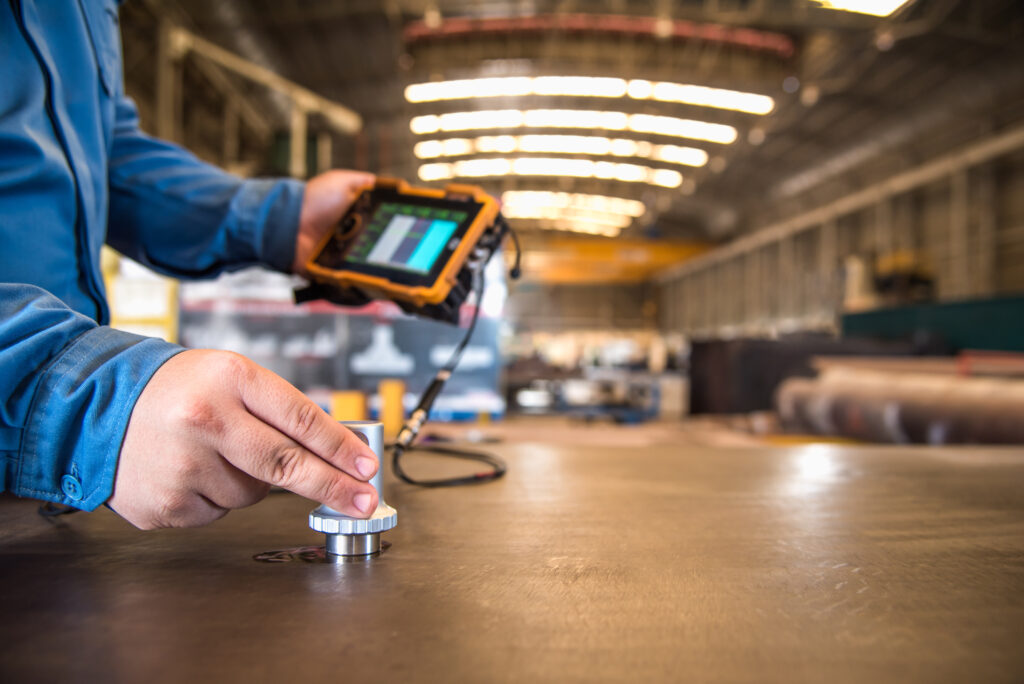
Testing methods are at the heart of quality assurance in manufacturing, construction, and many fields of engineering. Ensuring that materials and products meet strict safety, durability, and performance standards is essential, and testing allows companies to identify potential issues before they impact functionality or lead to failures. Two main approaches to testing exist: destructive testing (DT) and non-destructive testing (NDT). While both aim to assess the integrity and reliability of materials, they differ significantly in methodology, applications, and impact on the tested item. Understanding these differences helps companies choose the best approach for their needs, balancing accuracy, cost, and feasibility. This article will explore the intricacies of destructive and non-destructive testing, examining the advantages, limitations, and typical applications of each.
What is Destructive Testing?
Destructive testing involves applying stress or force to a material until it fails or is damaged. This approach seeks to understand the limits of a material by pushing it to its breaking point, allowing engineers to assess properties such as tensile strength, fatigue, and impact resistance. Since this process irreversibly alters or destroys the material, it is generally performed on sample materials rather than actual products, especially in cases where the cost of destruction is high. In industries where safety is paramount, destructive testing provides insights into how materials will behave under extreme conditions, such as high pressure, intense heat, or heavy loads. Common forms of destructive testing include tensile testing, where a material is stretched until it breaks; impact testing, where a material’s resistance to sudden force is measured; and hardness testing, which assesses a material’s resistance to deformation. These methods are valuable for understanding the true limitations of materials, making DT essential for fields like construction, aerospace, and automotive engineering. However, destructive testing has its limitations. Since it consumes the test sample, this approach can be expensive, especially when the materials being tested are costly or when large sample sizes are required to gain meaningful data. Additionally, DT can be time-consuming and may not always be feasible for every project. For instance, testing every component of a completed product would be impractical, as the components are destroyed in the process. Instead, companies often perform DT on prototype materials or smaller batches to infer the broader product quality.
Common Types of Destructive Testing
Destructive testing can vary in technique and complexity, with different methods revealing specific aspects of material behaviour. Some of the most widely used destructive tests include:
Tensile Testing: This test involves pulling a material until it fractures, allowing engineers to measure its strength, elasticity, and maximum elongation. The information gained from tensile testing helps manufacturers select materials that can withstand specific forces without failing.
Impact Testing: In impact testing, a material is struck with a controlled force to observe its reaction to sudden stress. The test evaluates a material’s toughness and ability to absorb energy, which is essential in industries like construction, where materials must withstand impacts.
Hardness Testing: Hardness tests determine a material’s resistance to deformation or indentation, which is crucial for applications where materials are exposed to abrasive forces. Brinell, Rockwell, and Vickers tests are common methods used to measure hardness.
Each of these methods provides valuable insights, allowing engineers to design products that meet rigorous safety and performance standards. However, the permanent alteration or destruction of the sample limits the applicability of DT to testing scenarios where the material cost is justified, or where prototypes are available for testing.
What is Non-Destructive Testing?
Non-destructive testing, in contrast, examines the properties of materials, components, or systems without causing any damage. NDT is invaluable for assessing the integrity of components that are already in service or for products where destructive testing would be impractical or too costly. Through a range of techniques, NDT can reveal cracks, defects, and structural weaknesses in materials without affecting their functionality, making it highly suitable for industries where continuous monitoring is necessary. Common methods of non-destructive testing include ultrasonic testing, radiographic testing, and magnetic particle testing. Ultrasonic testing, for example, uses high-frequency sound waves to detect internal flaws, while radiographic testing relies on X-rays or gamma rays to create images of a material’s internal structure. These methods allow engineers to assess materials in situ, meaning they can inspect critical parts of a bridge, aircraft, or pipeline without dismantling the structure or component. This capability is especially valuable in fields such as aerospace, power generation, and infrastructure, where failure could result in significant economic loss, environmental damage, or, in the worst cases, fatalities. NDT is favoured for its cost-effectiveness and versatility. Since it does not consume or alter the test sample, it allows for frequent inspections of the same item, helping identify early signs of wear or potential failure. Additionally, NDT can be applied across a range of materials, from metals to composites, making it a versatile choice for diverse applications. However, NDT also has limitations; for instance, its results can be influenced by factors such as surface finish or operator skill, and it may not always detect minor flaws that could later compromise material integrity under stress.
Common Types of Non-Destructive Testing
Non-destructive testing offers various techniques suited to different materials and inspection needs. Some of the most commonly used NDT methods are:
Ultrasonic Testing (UT): This method employs high-frequency sound waves to detect internal flaws or measure material thickness. UT is particularly effective for identifying cracks and voids within a material and is widely used in pipeline and aerospace inspections.
Radiographic Testing (RT): Radiographic testing uses X-rays or gamma rays to inspect the internal structure of a material. By capturing an image of the material’s interior, RT can identify hidden defects such as voids or inclusions, making it useful in weld inspections.
Magnetic Particle Testing (MPT): This technique is used to detect surface and near-surface flaws in ferromagnetic materials. By applying a magnetic field and introducing iron particles, MPT makes cracks and defects visible, aiding in the detection of material weaknesses.
Each method offers a unique way of inspecting materials, and the choice of technique depends on factors such as material type, defect location, and the testing environment. While NDT provides excellent insight into material health without causing damage, it requires skilled operators and sometimes complex equipment, which can make it a specialised field.
Comparing the Benefits and Limitations of DT and NDT
Destructive and non-destructive testing each have distinct advantages that make them suitable for specific applications. Destructive testing offers a comprehensive understanding of material limits, which is essential for designing safe, high-performance products. By subjecting materials to extreme conditions, DT reveals weaknesses that might not be evident in normal use, providing insights that enhance product durability and safety. However, the major drawback of destructive testing is its consumptive nature. Once a sample is tested destructively, it cannot be reused, which adds to material costs and can be impractical for high-value items. Destructive testing is often reserved for preliminary testing phases or when producing items in bulk, allowing manufacturers to validate material performance before mass production. In contrast, non-destructive testing is favoured for its ability to examine materials and components without causing damage. This makes it ideal for testing in-service equipment or inspecting large, valuable items like turbine blades or bridge supports. NDT enables continuous monitoring, allowing companies to perform regular checks to ensure safety without interrupting operations or incurring high material costs. Yet, non-destructive testing has its own set of limitations. It may not provide as detailed an understanding of material behaviour under extreme conditions as DT, and some types of flaws or internal weaknesses might go undetected. Additionally, NDT often requires sophisticated equipment and skilled technicians, which can add to operational costs, particularly in sectors requiring frequent or large-scale inspections.
Practical Applications of DT and NDT Across Industries
Different industries rely on both destructive and non-destructive testing depending on their unique requirements. In the construction industry, destructive testing is crucial for understanding how materials like concrete or steel behave under stress, ensuring that buildings, bridges, and other structures can withstand environmental forces. Meanwhile, non-destructive testing is used during the maintenance phase of infrastructure, allowing engineers to inspect components for signs of fatigue or corrosion without dismantling them. In the aerospace and automotive industries, both types of testing are integral to product safety and performance. Destructive testing is often used during the design phase to evaluate the performance of new materials, while non-destructive testing becomes critical during maintenance checks to prevent catastrophic failures. Similarly, in the energy sector, NDT methods like ultrasonic and radiographic testing are essential for inspecting pipelines, turbines, and reactors, as these structures operate under high-stress conditions where failure is not an option. The medical industry also benefits from non-destructive testing, especially in the development and maintenance of medical devices. Techniques such as ultrasonic testing are used to examine implants and prosthetics, ensuring they meet strict regulatory standards without compromising the device.
Advances in Testing Technology: Hybrid Approaches
With rapid advancements in technology, the testing landscape has evolved, and hybrid approaches that combine aspects of both destructive and non-destructive testing are now emerging. These methods aim to leverage the strengths of each technique while minimising their respective limitations. For instance, digital simulation software can model how a material might behave under stress, reducing the need for physical destructive testing. In industries like aerospace and automotive, where safety is critical, digital twins—virtual replicas of physical assets—are used to simulate real-world conditions and predict how materials or components would react under stress. Another promising innovation is semi-destructive testing. Techniques such as core sampling or miniature specimen testing allow for a partial sample to be taken, thus leaving the primary structure mostly intact. Semi-destructive testing is particularly useful in scenarios where the material is costly or difficult to replace but where a degree of damage is acceptable for the sake of obtaining accurate data. This method is often used in civil engineering and heritage conservation, where evaluating the durability of older structures is crucial yet must be done with minimal impact. As machine learning and AI become integrated into testing technologies, predictive models are also becoming more sophisticated. AI can analyse data from non-destructive testing to predict potential points of failure, reducing the need for destructive testing in some cases. By integrating both DT and NDT with advanced technologies, companies can gain a more complete understanding of material properties without compromising resources or efficiency, bridging the gap between research, design, and maintenance.
Non-destructive Testing
Ultrasonic Testing Services Being Carried Out
The Future of Material Testing: Sustainability and Ethical Considerations
As industries become increasingly focused on sustainability, testing methods are adapting to meet new environmental and ethical standards. Destructive testing, due to its consumptive nature, can contribute to material waste, which is a growing concern in sectors focused on reducing their carbon footprint. Materials like high-grade steel, composite alloys, and advanced ceramics are not only costly but also resource-intensive to produce, making wasteful testing practices less acceptable. To address this, industries are increasingly adopting non-destructive methods as a way to minimise waste and improve sustainability. Furthermore, as companies shift towards a circular economy—where resources are reused rather than discarded—non-destructive testing is expected to play a pivotal role in quality assurance and recycling processes. By using NDT, companies can inspect materials for reusability and durability without damaging them, ensuring that they meet quality standards for future applications. For instance, in the construction industry, NDT can evaluate whether materials from decommissioned structures are suitable for reuse, promoting resource efficiency and reducing environmental impact. Ethical considerations also come into play in industries like healthcare, where patient safety is paramount. In medical device testing, non-destructive methods allow for thorough testing without compromising the usability or lifespan of critical devices. Additionally, by employing non-destructive techniques, manufacturers can ensure that medical devices meet stringent safety regulations without resorting to excessive waste or overproduction.
Choosing the Right Testing Method
Both destructive and non-destructive testing are invaluable in ensuring material integrity and safety, though each has distinct applications and limitations. Destructive testing provides detailed insights into material strength and behaviour but at the cost of the sample, making it ideal for research and development phases. Non-destructive testing, on the other hand, allows for the inspection of materials without damage, which is essential for maintenance and quality assurance in high-stakes industries. Selecting between DT and NDT ultimately depends on factors like the material type, testing purpose, cost considerations, and safety requirements. While destructive testing provides comprehensive data on material limitations, non-destructive testing offers flexibility and efficiency, allowing for regular inspections and ongoing quality control. By balancing these methods, industries can ensure both the performance and safety of their products, fostering confidence in the materials and structures that underpin modern society.
Contact The Experts
The field of non-destructive testing is dynamic, with each method offering unique advantages suited to different inspection needs. As industries evolve, so too do the techniques and technologies underpinning NDT, driven by a universal commitment to safety, efficiency, and sustainability. The future of NDT lies in the integration of these traditional methods with emerging technologies, such as artificial intelligence and machine learning, which promise to enhance accuracy, reduce human error, and streamline inspection processes. Embracing continuous improvement and innovation, the NDT community is well positioned to address the challenges of modern industry, safeguarding the integrity of materials and structures worldwide. In the panorama of industrial safety and quality assurance, non-destructive testing remains an indispensable tool, ensuring that the wheels of progress turn smoothly and safely. Find out more about the most efficient uses of non-destructive testing by contacting the experts at Format NDT.000
For more information on The Difference Between Destructive and Non-Destructive Testing talk to Format NDT Ltd