 Get Listed

What Does NDT Stand For?
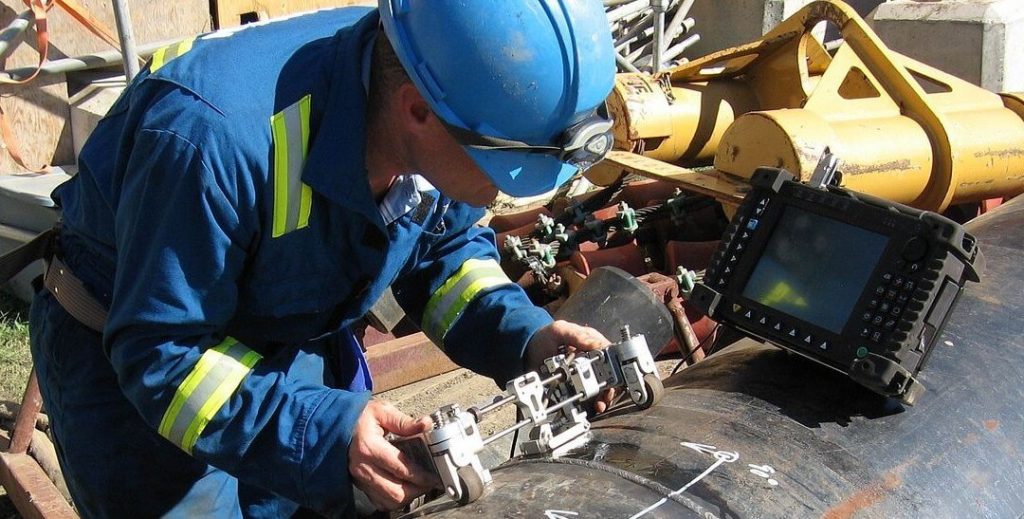
Non-Destructive Testing, commonly abbreviated as NDT, is a cornerstone of modern engineering and industrial practices. As the name suggests, NDT encompasses a wide array of techniques designed to assess the integrity, properties, or functionality of materials, components, or systems without causing any damage. By enabling detailed inspections and evaluations without impairing the item being tested, NDT offers unparalleled advantages across numerous industries. This blog delves into what NDT truly stands for, its methodologies, and its significance across sectors, with a focus on practices and applications in the UK.
The Basics of Non-Destructive Testing
At its core, Non-Destructive Testing is a method of quality control and assurance that examines objects or systems without compromising their usability. The primary goal of NDT is to detect potential defects, anomalies, or weaknesses in a material or structure. This ensures that flaws are addressed before they lead to failures, saving time, money, and, most importantly, lives. Unlike destructive testing, which involves physically breaking or deforming an item to test its limits, NDT allows for thorough examination while preserving the item’s integrity. This makes it ideal for high-value or critical components, such as aircraft parts, oil pipelines, or nuclear reactors, where failure is not an option. The methodology is underpinned by advanced physics, engineering principles, and cutting-edge technology, ensuring high accuracy and reliability.
Key Techniques Used in NDT
Non-Destructive Testing comprises a variety of techniques, each tailored to specific materials, applications, and objectives. Among the most widely used methods are ultrasonic testing, radiographic testing, magnetic particle inspection, eddy current testing, and dye penetrant testing. Each method has its strengths and limitations, making it important to choose the appropriate one based on the context. Ultrasonic testing employs high-frequency sound waves to detect flaws within a material. It is widely used to inspect welds, detect corrosion, and evaluate material thickness. Radiographic testing, on the other hand, uses X-rays or gamma rays to capture images of internal structures, much like medical imaging. This technique is invaluable for detecting hidden defects in welds or castings. Magnetic particle inspection is used to detect surface and near-surface cracks in ferromagnetic materials, while eddy current testing is ideal for identifying defects in conductive materials such as metals. Dye penetrant testing, which involves applying a liquid dye to the surface of a material, is a simple yet effective method for identifying surface cracks and other imperfections.
Why NDT Matters in Modern Industry
The significance of Non-Destructive Testing lies in its ability to enhance safety, reliability, and efficiency across industries. In sectors where safety is paramount, such as aerospace, nuclear energy, or oil and gas, NDT ensures that critical components operate as intended without the risk of catastrophic failure. In the UK, where regulatory standards for safety and quality are among the most stringent globally, NDT is an essential tool for compliance. Organisations must meet rigorous safety and performance benchmarks, and NDT provides the means to achieve these objectives. Moreover, NDT supports sustainability efforts by reducing waste, extending the lifespan of assets, and preventing environmental damage caused by equipment failure.
The History and Evolution of NDT
Non-Destructive Testing has its roots in the early 20th century, evolving alongside advancements in science and technology. The first recorded use of NDT can be traced to radiography in the 1890s, shortly after the discovery of X-rays by Wilhelm Conrad Roentgen. During the First and Second World Wars, NDT techniques became increasingly sophisticated, driven by the need to ensure the safety and reliability of military equipment. Post-war industrialisation saw the widespread adoption of NDT in sectors such as construction, manufacturing, and energy. In the UK, industries began to embrace these techniques to enhance safety and performance in everything from railways to shipbuilding. Today, NDT is at the forefront of modern engineering, incorporating digital tools, artificial intelligence, and robotics to deliver more accurate and efficient inspections.
Customer representation NDT
Applications of NDT in the UK
Non-Destructive Testing finds applications in nearly every major sector of the UK economy. In aerospace, NDT ensures the safety of aircraft by inspecting components such as turbine blades, landing gear, and fuselage structures for defects. The oil and gas sector relies on NDT to monitor the integrity of pipelines, storage tanks, and offshore platforms, preventing environmental disasters and costly downtime. In construction, NDT techniques are used to assess the quality of materials and the structural integrity of buildings, bridges, and other infrastructure. This ensures compliance with safety regulations and enhances the longevity of projects. Similarly, the energy sector employs NDT to inspect critical components in power plants, wind turbines, and solar installations, supporting the UK’s transition to sustainable energy sources. The transportation sector also benefits from NDT, particularly in railways, where it is used to inspect tracks, wheels, and axles for wear and tear. In healthcare, NDT takes the form of medical imaging techniques such as X-rays, MRI, and ultrasound, which allow doctors to diagnose and treat conditions without invasive procedures.
Advancements in NDT Technology
The field of Non-Destructive Testing has undergone significant advancements in recent years, driven by the integration of digital technology and automation. Today, techniques such as phased array ultrasonic testing, 3D computed tomography, and thermography offer unparalleled accuracy and detail. In the UK, where innovation is a hallmark of industrial practice, NDT technology has been embraced with enthusiasm. For example, the adoption of drones equipped with thermal imaging cameras has revolutionised the inspection of wind turbines and other hard-to-reach assets. Similarly, AI-driven NDT systems can analyse vast amounts of data in real-time, identifying patterns and anomalies with exceptional precision. As the demand for efficiency and sustainability grows, the role of advanced NDT techniques in predictive maintenance is becoming more prominent. By identifying potential issues before they escalate, organisations can optimise maintenance schedules, reduce costs, and extend the lifespan of assets.
NDT and the UK’s Regulatory Framework
The UK has a robust regulatory framework that governs the use of Non-Destructive Testing, ensuring that inspections are conducted safely and effectively. Standards such as those set by the British Institute of Non-Destructive Testing (BINDT) provide guidelines for best practices, training, and certification. Certification schemes such as PCN (Personnel Certification in Non-Destructive Testing) ensure that professionals possess the necessary skills and knowledge to perform accurate and reliable inspections. This rigorous approach has cemented the UK’s reputation as a global leader in NDT, fostering trust among industries and consumers alike. Moreover, the UK’s regulatory environment encourages innovation in NDT practices. By supporting research and development, the government and industry bodies have enabled the adoption of cutting-edge techniques that enhance safety and efficiency across sectors.
The Role of NDT in Sustainability
Sustainability is a pressing concern for industries worldwide, and Non-Destructive Testing plays a crucial role in achieving environmental goals. By detecting defects early and enabling repairs rather than replacements, NDT reduces waste and conserves resources. This aligns with the UK’s commitment to reducing carbon emissions and promoting circular economy practices. In sectors such as energy, NDT supports the development and maintenance of renewable energy infrastructure. For example, it ensures the structural integrity of wind turbine blades, enabling the UK to meet its ambitious targets for wind power generation. Similarly, in manufacturing, NDT helps optimise production processes, reducing material waste and energy consumption. The role of NDT in sustainability extends beyond environmental benefits to economic resilience. By improving asset longevity and reliability, it reduces costs and minimises downtime, contributing to a more sustainable industrial ecosystem.
Non Destructive Testing Liverpool
NDT in Cultural Heritage Preservation
Non-Destructive Testing is not limited to industrial applications; it also plays a significant role in preserving cultural heritage. In the UK, with its rich history and abundance of historical landmarks, NDT techniques are used to assess the condition of artefacts, monuments, and ancient structures. These methods allow conservators to gather critical information about the integrity of objects without causing any harm, making it a valuable tool for preservation efforts. For example, ultrasonic testing and thermography are employed to inspect historical buildings for hidden cracks or structural weaknesses. X-ray imaging is used to analyse the internal composition of artefacts, such as pottery, sculptures, or historical weaponry, revealing insights into their craftsmanship and history. In some cases, NDT has uncovered previously unknown details about artefacts, such as hidden compartments or inscriptions. The application of NDT in cultural heritage preservation is essential for ensuring that future generations can continue to enjoy and learn from the UK’s historical treasures. By detecting and addressing deterioration early, conservationists can make informed decisions about restoration techniques while maintaining the authenticity and integrity of these priceless pieces of history.
NDT in Defence and National Security
In the defence sector, where safety and reliability are non-negotiable, Non-Destructive Testing is a critical tool. The UK’s armed forces and defence contractors rely on NDT to ensure the integrity of equipment, vehicles, and weaponry. From inspecting aircraft and naval vessels to testing the structural soundness of tanks and munitions, NDT safeguards personnel and enhances national security. Radiographic testing and ultrasonic inspection are commonly used to assess the condition of armoured vehicles, ensuring that their hulls remain resistant to damage. Similarly, advanced NDT methods are applied to naval vessels, such as submarines and frigates, to detect corrosion or fatigue in their hulls and other critical components. The aerospace division of the defence sector also benefits from NDT, with techniques such as phased array ultrasonic testing ensuring that military aircraft meet rigorous performance standards. Moreover, the development of new materials and technologies for defence applications necessitates innovative NDT approaches. For example, as composite materials are increasingly used in modern military vehicles and equipment, NDT methods are adapted to evaluate these advanced materials for structural integrity. By supporting the UK’s defence capabilities, NDT plays an integral role in maintaining readiness and operational effectiveness.
NDT in Mining and Natural Resource Management
The mining industry presents unique challenges, with harsh environments and heavy-duty equipment demanding robust inspection methods. Non-Destructive Testing is essential in this sector, ensuring the safety and efficiency of operations by identifying wear, corrosion, or defects in machinery and infrastructure. In the UK, where mining remains an important part of the economy, NDT is widely used to inspect critical assets such as conveyor belts, crushers, and underground support systems. Ultrasonic testing is employed to detect cracks in metal components, while thermography identifies overheating in machinery that may signal potential failures. These techniques reduce the risk of catastrophic equipment breakdowns, ensuring uninterrupted operations. NDT also plays a role in assessing geological formations and the stability of mine shafts. Ground-penetrating radar (GPR) and seismic imaging are used to evaluate the structural soundness of underground environments, protecting workers and equipment. Furthermore, as sustainability becomes a priority, NDT aids in monitoring and maintaining environmental safeguards, such as containment systems for mining by-products. By ensuring the reliability of mining operations and reducing the risk of accidents, NDT supports the efficient extraction and management of natural resources while prioritising safety and sustainability.
The Significance of NDT
Non-Destructive Testing stands for more than just a set of inspection techniques; it represents a commitment to safety, quality, and sustainability. By enabling thorough evaluations without causing damage, NDT underpins the reliability and efficiency of critical infrastructure and assets. In the UK, where high standards and innovation drive industrial practices, NDT plays a pivotal role across sectors ranging from aerospace and energy to healthcare and construction. Its applications are as diverse as its benefits, encompassing everything from defect detection to predictive maintenance and environmental conservation. As technology continues to evolve, the importance of NDT will only grow. By embracing advancements and adhering to best practices, industries can harness the full potential of Non-Destructive Testing, ensuring a safer, more sustainable future for all.
Future Trends in NDT
The future of Non-Destructive Testing is shaped by emerging technologies and evolving industry needs. Digitalisation, artificial intelligence, and the Internet of Things (IoT) are set to redefine how inspections are conducted, making them more efficient, accurate, and accessible. In the UK, the integration of NDT with smart technologies is already underway. IoT-enabled sensors can continuously monitor the health of assets, sending real-time data to centralised systems for analysis. This shift from periodic inspections to continuous monitoring enhances safety and reduces maintenance costs. The use of robotics in NDT is another exciting development. Automated systems can perform inspections in hazardous or hard-to-reach environments, improving safety for workers and ensuring thorough evaluations. As these technologies mature, they will further cement the role of NDT as a critical tool in modern industry. Contact the team of experts at Format NDT today.
For more information on What Does NDT Stand For? talk to Format NDT Ltd