 Get Listed

Is NDT Equipment Expensive?
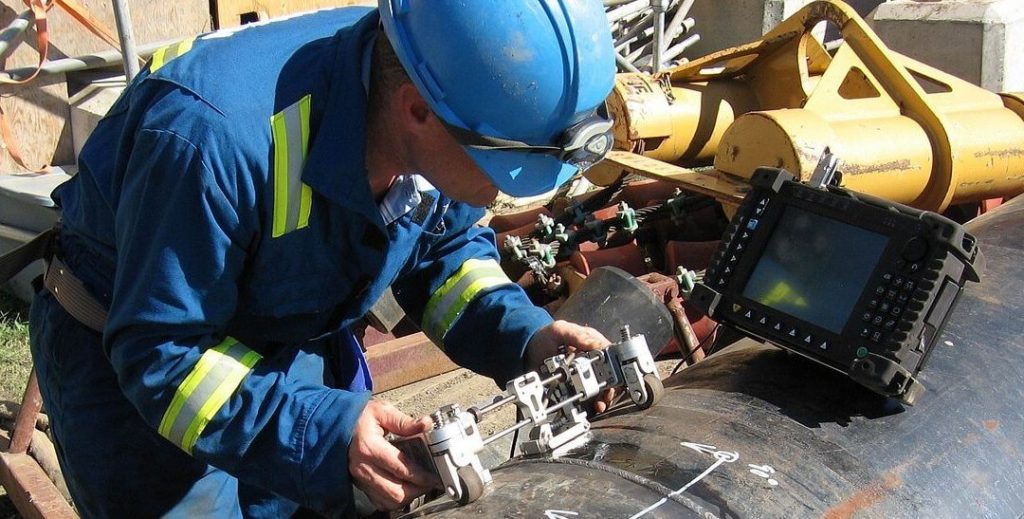
Non-destructive testing (NDT) is an essential practice in industries where safety, reliability, and efficiency are paramount. From aerospace and oil and gas to construction and manufacturing, NDT ensures that materials and structures are free from defects without causing damage. However, one of the most common concerns for businesses and professionals entering this field is cost. Is NDT equipment expensive? The answer is not straightforward, as prices can vary significantly depending on the type of equipment, technology, and specific industry requirements.
Understanding the Cost of NDT Equipment
The cost of NDT equipment is influenced by multiple factors, including the complexity of the testing method, the level of accuracy required, and the sophistication of the technology. Some basic NDT methods, such as dye penetrant testing (DPT) or magnetic particle testing (MPT), require relatively inexpensive consumables and handheld tools. However, advanced techniques like phased array ultrasonic testing (PAUT) or radiographic testing (RT) involve high-end digital equipment, software integration, and skilled operators, all of which can drive up the price. Businesses looking to invest in NDT technology must also consider long-term costs. These include calibration, maintenance, software updates, and training, all of which can add up over time. While some equipment may have a high upfront price, the long-term benefits, such as improved safety, reduced downtime, and compliance with industry regulations, often justify the investment.
The Price Range of Different NDT Methods
The cost of NDT equipment varies widely depending on the method used. Some techniques are relatively low-cost, while others require significant financial investment. Penetrant testing, for example, is one of the most affordable NDT methods. A basic kit containing dye, developer, and cleaner can cost a few hundred pounds. It is widely used for detecting surface cracks in metals and non-porous materials. However, while the initial investment is low, the ongoing costs of consumables must be factored into the budget. Magnetic particle testing is another cost-effective method. Handheld yokes, which generate the magnetic field required for testing, can range from a few hundred to over a thousand pounds, depending on the model and brand. Again, while the equipment itself is relatively inexpensive, consumables such as magnetic inks and powders contribute to ongoing costs. Ultrasonic testing (UT) equipment is more expensive due to the advanced technology involved. A basic flaw detector can cost between £3,000 and £10,000, while phased array ultrasonic testing (PAUT) instruments can exceed £30,000. The increased cost reflects the enhanced capabilities of these devices, such as real-time imaging and improved defect detection. Radiographic testing, which uses X-rays or gamma rays to inspect materials, is one of the most expensive methods. Digital radiography (DR) systems can cost anywhere from £50,000 to over £200,000, depending on resolution, portability, and additional features. Traditional film-based systems are generally more affordable, but they come with ongoing expenses for film, processing chemicals, and storage. Eddy current testing (ECT) is another mid-to-high-range NDT method, commonly used in aerospace and power generation. A portable eddy current tester can cost between £5,000 and £15,000, with more advanced multi-frequency or array systems costing significantly more. Thermographic inspection, which relies on infrared cameras to detect temperature variations, is a versatile but costly NDT technique. Entry-level thermal imaging cameras start at around £1,000, but high-end models with greater sensitivity and resolution can exceed £20,000.
Customer representation NDT
Factors That Influence NDT Equipment Costs
Several factors contribute to the overall expense of NDT equipment. The brand and manufacturer play a significant role, with established names commanding higher prices due to reliability, precision, and support services. Companies such as Olympus, GE Inspection Technologies, and Sonatest are known for their high-quality instruments but often come with a premium price tag. The level of automation also affects cost. Manual equipment is generally more affordable, while automated systems with software integration and real-time data analysis tend to be more expensive. For industries requiring high throughput, such as automotive or pipeline inspection, automated NDT systems provide significant efficiency gains despite their higher initial investment. Portability is another consideration. Handheld and portable devices tend to be more expensive due to their compact design and durability. Field-ready NDT equipment must withstand harsh environments, including extreme temperatures, moisture, and mechanical stress, which increases manufacturing costs. Software is an often-overlooked factor in the total cost of ownership. Many modern NDT instruments require specialised software for data analysis, reporting, and compliance documentation. Some manufacturers charge separate fees for software licences, upgrades, and cloud-based storage solutions, adding to the overall investment.
Buying vs. Renting NDT Equipment
For businesses with limited budgets, purchasing NDT equipment outright may not always be feasible. In such cases, renting can be a practical alternative. Many suppliers offer rental options, allowing companies to access high-end equipment without the substantial upfront cost. Renting is particularly beneficial for short-term projects, occasional inspections, or when testing new technologies before committing to a purchase. However, for businesses that require frequent testing, the cumulative cost of renting over time may exceed the price of purchasing equipment outright. Leasing is another option that provides financial flexibility. Some suppliers offer lease-to-own programmes, allowing businesses to spread payments over time while still benefiting from equipment ownership. This approach can be advantageous for small to medium-sized enterprises looking to scale their NDT capabilities without a significant initial investment.
Training and Certification Costs
Beyond the equipment itself, businesses must consider the cost of training and certification. NDT operators must be qualified to perform inspections accurately and interpret results. Training courses and certification exams can range from a few hundred to several thousand pounds, depending on the level of expertise required. In the UK, certification schemes such as PCN (Personnel Certification in Non-Destructive Testing) and CSWIP (Certification Scheme for Welding Inspection Personnel) are widely recognised. Achieving certification involves coursework, practical training, and examinations, all of which add to the overall investment in NDT. Employers must also account for the cost of ongoing training. As technology evolves, NDT professionals must stay up to date with the latest advancements, techniques, and industry regulations. Continuous professional development ensures that operators maintain their competency and compliance with safety standards.
Long-Term Benefits vs. Initial Cost
While NDT equipment can be expensive, the long-term benefits often outweigh the initial cost. High-quality testing instruments improve safety, reduce the risk of catastrophic failures, and extend the lifespan of critical infrastructure. Industries such as aerospace and nuclear energy rely heavily on NDT to maintain strict safety and regulatory standards. Investing in advanced inspection technologies helps prevent costly downtime, legal liabilities, and reputational damage. For businesses conducting frequent inspections, the return on investment (ROI) can be substantial. Detecting defects early minimises repair costs and prevents more significant structural failures. In industries where product reliability is critical, such as automotive manufacturing, quality assurance through NDT can lead to higher customer satisfaction and brand reputation.
Emerging Technologies and Their Impact on NDT Equipment Costs
The field of non-destructive testing is continually evolving, with new technologies shaping the industry and influencing equipment costs. Emerging trends such as artificial intelligence (AI), machine learning, and digital twin technology are beginning to integrate with NDT methods, improving efficiency and accuracy. AI-assisted defect recognition, for example, can enhance ultrasonic and radiographic testing by reducing human error in flaw detection. However, implementing AI-driven systems requires advanced software, powerful computing capabilities, and cloud-based data storage—all of which add to the overall cost of NDT equipment. Another significant development is the use of drones for remote inspections in industries such as energy, infrastructure, and aviation. Drone-mounted ultrasonic and thermographic cameras allow for safer and more efficient inspections of hard-to-reach areas, such as bridges, pipelines, and offshore platforms. While the initial investment in drone technology may be high, the reduction in labour costs and improved safety can make it a cost-effective solution in the long term. Additive manufacturing (3D printing) is also influencing the cost of NDT equipment, particularly in the production of custom inspection tools and replacement parts. This innovation reduces the cost of specialised components and allows for faster prototyping, making high-tech NDT solutions more accessible to businesses of all sizes. As these technologies continue to develop, the cost of NDT equipment may fluctuate. While some innovations may drive prices higher, others have the potential to make advanced inspection techniques more affordable and widely available.
Non Destructive Testing Liverpool
The Role of Regulations and Compliance in Pricing
Regulatory requirements play a crucial role in the cost of NDT equipment. Industries such as aerospace, nuclear power, and oil and gas are subject to stringent safety and quality control standards, which often necessitate the use of high-end testing equipment. Compliance with international standards such as ISO 9712, ASME, ASTM, and EN 473 requires businesses to invest in certified instruments, regular calibrations, and documentation software, all of which contribute to higher costs. For companies operating in multiple jurisdictions, the need to comply with different regulatory frameworks can further impact equipment costs. Some testing methods or equipment models may be accepted in one country but require additional certification or modifications to be used in another. This can result in businesses needing to purchase multiple systems or pay for costly upgrades to meet regulatory requirements. The push for environmental sustainability is also influencing NDT equipment costs. Traditional radiographic testing, for instance, often relies on hazardous chemicals for film processing. As regulations around environmental impact become stricter, businesses may need to invest in more expensive digital radiography systems to comply with new guidelines. While meeting regulatory standards can be costly, non-compliance carries even greater financial risks, including fines, legal consequences, and reputational damage. Investing in high-quality NDT equipment that meets industry regulations is ultimately a safeguard against these risks.
The Second-Hand Market for NDT Equipment
For businesses looking to reduce costs, the second-hand market for NDT equipment can provide a more affordable alternative to purchasing brand-new instruments. Used ultrasonic flaw detectors, eddy current testers, and radiographic systems are often available at significantly lower prices than their new counterparts. However, buying second-hand equipment comes with risks. Older models may lack the latest technological advancements or may not be compatible with current industry standards. Additionally, used equipment may require extensive calibration, servicing, or software upgrades, which can add unexpected costs. To mitigate these risks, businesses should source second-hand NDT equipment from reputable suppliers who offer warranties, service contracts, and proof of calibration. Purchasing from certified refurbishment companies can ensure that the equipment is still reliable and fit for purpose. While the second-hand market can be a cost-effective solution, companies should carefully assess whether the savings outweigh the potential drawbacks. In some cases, investing in newer, more efficient technology may offer better long-term value.
The Future of NDT Equipment Pricing
The cost of NDT equipment will continue to evolve as technology advances and industry demands change. Several factors are likely to influence pricing trends in the coming years, including increased automation, digitalisation, and sustainability initiatives. One potential trend is the growing use of subscription-based models for NDT software and equipment. Instead of purchasing high-end testing systems outright, businesses may be able to access cloud-based NDT solutions through monthly or annual subscriptions. This approach could lower the barrier to entry for smaller companies while ensuring access to the latest technology. The expansion of remote and robotic inspection methods is also expected to affect pricing. As industries seek to reduce human involvement in hazardous environments, the demand for robotic NDT solutions is rising. While these systems require a higher initial investment, they can significantly reduce labour costs and improve safety in the long term.
Conclusion
NDT equipment can be expensive, but the cost varies widely depending on the method, technology, and industry application. While basic testing methods like dye penetrant and magnetic particle testing are relatively affordable, advanced techniques such as phased array ultrasonics and digital radiography require significant financial investment. Factors such as brand reputation, automation, software, and portability all influence the overall price of NDT instruments. Businesses must also consider ongoing costs, including maintenance, calibration, training, and certification. For those with budget constraints, renting or leasing can provide access to high-end equipment without the upfront expense. However, for companies conducting frequent testing, purchasing high-quality NDT equipment often proves to be the more cost-effective long-term solution. Ultimately, the value of NDT equipment should be measured not just in terms of price but in its ability to ensure safety, regulatory compliance, and operational efficiency. While the initial cost may seem high, the benefits of early defect detection, reduced downtime, and enhanced product reliability make it a worthwhile investment in the long run. Contact the team at Format NDT to find out more.
For more information on Is NDT Equipment Expensive? talk to Format NDT Ltd