 Get Listed


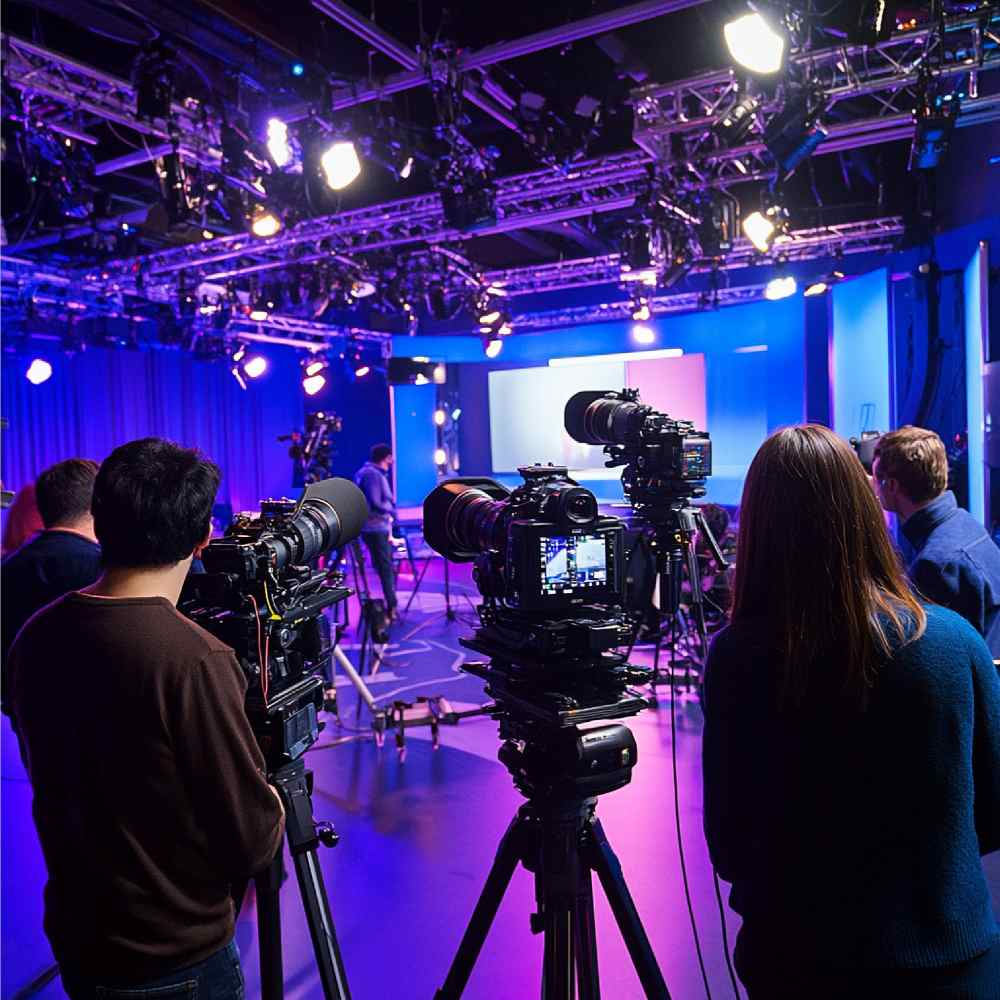
Hybrid events are the future of corporate events because they expand audience reach beyond physical locations, offer flexible participation options, increase engagement through interactive digital tools, provide valuable data and analytics, and reduce costs while improving return on investment.
The corporate events landscape has undergone a remarkable transformation in recent years. Traditional in-person gatherings, once considered the gold standard, are now being reimagined through the integration of digital technology. At the centre of this shift lies a powerful and adaptable format—hybrid events.
Understanding Why Hybrid Events Are the Future of Corporate Events is essential for businesses aiming to stay competitive, relevant, and connected in a rapidly evolving world. Hybrid events combine the best of both physical and virtual experiences, creating opportunities that were previously unimaginable.
What Are Hybrid Events?
Hybrid events are a blend of in-person and virtual experiences. They allow attendees to participate either physically at a venue or remotely through online platforms. This dual format ensures inclusivity and accessibility, enabling organisations to connect with a broader audience.
Unlike traditional events, hybrid formats are designed to deliver value to both audiences simultaneously, ensuring neither group feels secondary.
The Shift Towards Hybrid Experiences
The global shift towards digital transformation has accelerated the adoption of hybrid events. Businesses have realised that relying solely on physical gatherings limits their reach and flexibility.
With advancements in streaming technology, high-speed internet, and interactive tools, hybrid events have become more immersive and effective. Companies are no longer confined by geography, allowing them to engage audiences across the globe.
Expanded Audience Reach
One of the most compelling advantages of hybrid events is their ability to reach a much wider audience.
In a traditional setting, attendance is limited by location, travel costs, and time constraints. Hybrid events eliminate these barriers by offering virtual access to participants worldwide. This significantly increases attendance numbers and enhances brand visibility.
For corporate organisations, this means connecting with international clients, stakeholders, and employees without logistical challenges.
Cost Efficiency and Better ROI
Hosting large-scale physical events can be expensive. Venue hire, catering, travel, and accommodation costs quickly add up. Hybrid events offer a more cost-effective alternative.
While there is an initial investment in technology and production, the overall cost is often lower. Additionally, the increased reach and engagement contribute to a higher return on investment.
Businesses can also reuse recorded content for marketing, training, and internal communications, extending the value of a single event.
Enhanced Flexibility
Flexibility is a key reason why hybrid events are becoming the preferred choice for corporate organisations.
Attendees can choose how they participate, whether in person or online. This flexibility accommodates different preferences, schedules, and circumstances.
For organisers, hybrid events provide contingency options. If unforeseen issues arise, such as travel restrictions or scheduling conflicts, the event can still proceed seamlessly in a virtual format.
Improved Audience Engagement
Modern hybrid events go beyond simple live streaming. They incorporate interactive features such as:
- Live Q&A sessions
- Polls and surveys
- Virtual networking rooms
- Real-time chat
These tools create a dynamic experience that keeps both virtual and in-person audiences engaged.
Engagement is no longer limited to those physically present. Remote participants can actively contribute, making the event more inclusive and interactive.
For more information on Why Hybrid Events Are the Future of Corporate Events? talk to Film Your Event