 Get Listed

How to Film Talks and Interviews Like a Pro?
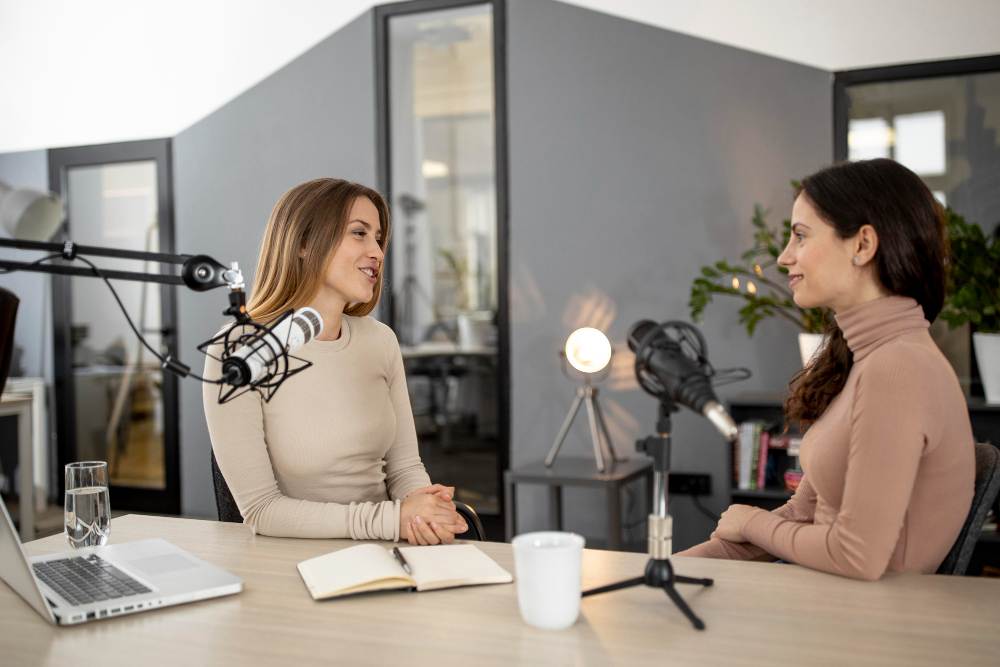
To create engaging talks and interviews, focus on clear storytelling, professional lighting, high-quality audio, natural conversation flow, and strong visual composition. Use multi-camera setups, proper planning, and expert editing to enhance engagement and emotional impact.
In a world where attention spans are shrinking and content consumption is at an all-time high, the ability to create compelling visual conversations has never been more important. Talks and interviews are no longer just recordings of conversations; they are powerful storytelling tools that shape opinions, build authority, and connect audiences emotionally.
Understanding The Art of Filming Talks and Interviews That Truly Engage Your Audience is essential for brands, creators, and businesses that want to communicate effectively in the digital age. Whether it’s a corporate discussion, expert interview, or live panel, the way it is filmed determines how deeply it resonates with viewers.
Why Talks and Interviews Matter Today
Talks and interviews are one of the most authentic forms of content. They allow real people, real experiences, and real insights to come forward. Unlike scripted advertisements, they feel natural and trustworthy.
Businesses increasingly rely on formats like talks and interviews to:
- Build credibility
- Share expert knowledge
- Promote services or ideas
- Connect emotionally with audiences
This is why professional production is no longer optional—it is essential.
The Foundation of Engaging Interview Videography
Great interview content begins long before the camera starts rolling. It requires planning, storytelling, and technical precision.
At its core, successful interview videography is built on three pillars:
- Clear storytelling structure
- High-quality visuals and audio
- Natural and engaging conversation flow
Without these, even the most insightful discussion can feel flat or unprofessional.
The Role of Lighting in Storytelling
Lighting is one of the most powerful tools in visual storytelling. It sets the tone, mood, and emotional impact of the interview.
Key lighting principles include:
- Soft lighting for natural skin tones
- Controlled shadows for depth and dimension
- Balanced exposure between subject and background
Poor lighting can make even the most interesting speaker look unprofessional. In contrast, well-planned lighting enhances trust and focus.
Framing and Composition Techniques
How you frame an interview directly influences how the audience perceives the subject.
Effective framing techniques:
- Rule of thirds for balanced composition
- Eye-level framing for connection and authenticity
- Negative space to emphasise the subject
In professional Interview Videography London environments, framing is carefully designed to reflect both brand identity and message clarity
For more information on How to Film Talks and Interviews Like a Pro? talk to Film Your Event