 Get Listed


How Does Live Streaming a Funeral Work?
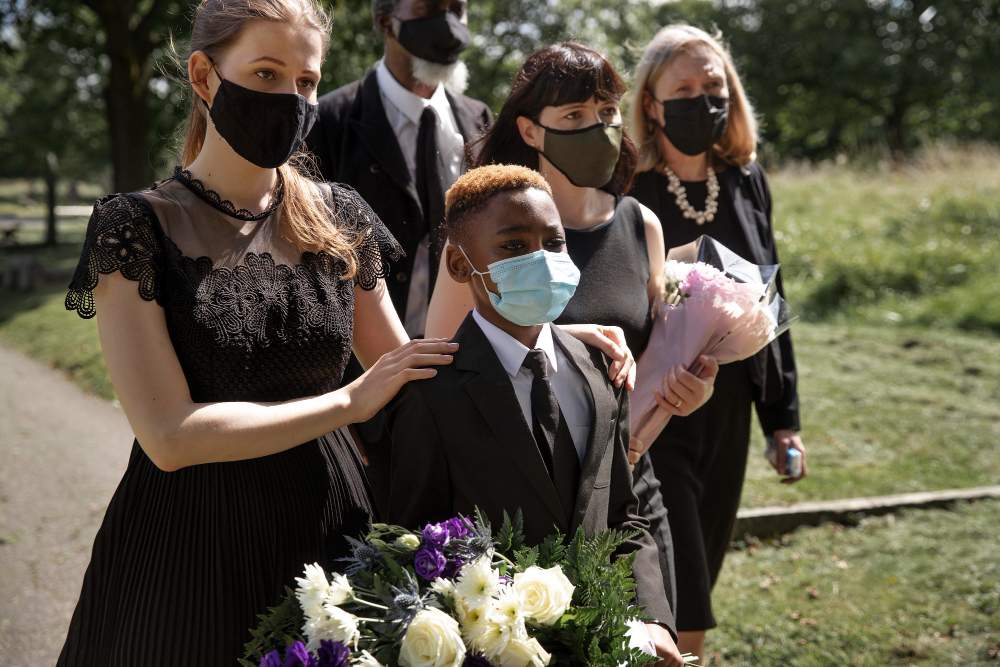
Live streaming a funeral works by planning the service, setting up cameras and microphones, ensuring a stable internet connection, and sharing a secure viewing link—allowing the ceremony to be broadcast live and recorded for later viewing.
In today’s connected world, live streaming has transformed the way people come together during significant life moments — including times of loss. Funerals have traditionally been intimate, in-person gatherings, but modern technology now allows families and friends to participate remotely, no matter where they are in the world.
If you’ve ever wondered how live streaming a funeral works, this comprehensive guide will walk you through the process, the technology involved, and what to expect. Whether you’re planning a service or simply want to understand the concept, this article provides a clear and respectful explanation.
Understanding Funeral Live Streaming
Live streaming a funeral means broadcasting the service in real time over the internet. This allows people who cannot attend physically — due to distance, health issues, or travel restrictions — to still be part of the ceremony.
It is a thoughtful way to ensure that no one feels excluded during an emotional and important occasion. Viewers can watch the service on their computers, tablets, or smartphones, often through a private and secure link.
Why Families Choose to Live Stream Funerals
There are many reasons why families opt for live streaming:
- Distance barriers: Loved ones living abroad can attend virtually
- Health concerns: Elderly or vulnerable individuals can participate safely
- Limited venue capacity: Some locations cannot accommodate large gatherings
- Inclusivity: Ensures everyone has the chance to say goodbye
Live streaming creates a sense of togetherness, even when people are physically apart.
How the Process Works Step by Step
To understand how funeral live streaming works, it’s helpful to break it down into simple steps.
1. Planning and Coordination
The process begins with planning. Families usually discuss their wishes with the funeral director or a professional streaming provider. Decisions are made about:
- Where the cameras will be placed
- Whether the service will be public or private
- Which platform will be used
Clear communication at this stage ensures everything runs smoothly on the day.
2. Setting Up Equipment
Professional live streaming typically involves high-quality equipment to ensure a clear and respectful broadcast. This may include:
- Video cameras (often more than one for different angles)
- Microphones to capture speeches and music clearly
- Tripods for stability
- A laptop or streaming device
Good audio is particularly important, as viewers need to hear readings, eulogies, and music clearly.
3. Internet Connection
A reliable internet connection is essential. The streaming team will:
- Test the venue’s Wi-Fi or use mobile data networks
- Ensure sufficient upload speed
- Have backup options in case of connection issues
Without a stable connection, the stream could lag or disconnect, so this step is critical.
For more information on How Does Live Streaming a Funeral Work? talk to Film Your Event