 Get Listed


Why Hydrogen Generators Matter
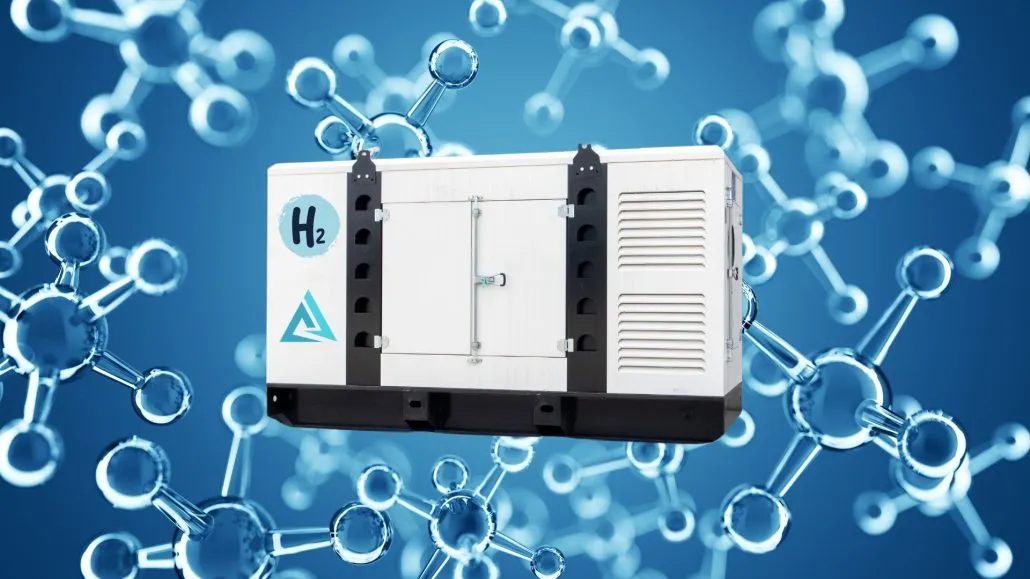
Hydrogen generators are a clean, silent alternative to diesel for off-grid and backup power. They’re already in use across UK construction sites, events, and critical infrastructure projects. Compared to diesel, they emit zero on-site emissions, produce no noise, and require less maintenance. Businesses can lease these units and fuel supply, making them easy to trial. This guide explains the benefits, case studies, leading suppliers, and which generator models are available in the UK now.
Quick Navigation
- Environmental and Operational Benefits
- Use Cases and Industry Applications
- Leading Hydrogen Generator Manufacturers and Suppliers
- Hydrogen Generator Comparison Table
- Conclusion
- Sources
Introduction
Hydrogen generators are emerging as a sustainable alternative to diesel gensets for businesses seeking clean, efficient power. From music festivals and film sets to construction sites and critical infrastructure, these generators use hydrogen fuel cells (or hydrogen-fueled engines) to produce electricity with zero on-site emissions.
This article explores the environmental and operational benefits of hydrogen generators, profiles leading suppliers and models available in the UK and examines their viability across various industries and use cases.
We also include real-world examples, such as London construction projects and off-grid events and a comparison table of hydrogen generator models and specifications to help UK businesses understand the options for switching to hydrogen power.
Environmental and Operational Benefits
Zero Emissions and Improved Air Quality: Unlike diesel generators, hydrogen fuel cell generators emit no harmful exhaust – no CO₂, NOx, carbon monoxide, or particulate matter. The only by-product at the point of use is water vapour. This dramatic reduction in emissions helps companies slash their carbon footprint and eliminate local air pollutants. For example, a hydrogen generator trial at a UK construction site saved over 4.25 tonnes of CO₂ in just one month, compared to diesel.
In London’s Ultra Low Emission Zone (ULEZ), where even construction machinery must meet strict Stage V diesel standards, hydrogen generators provide a truly zero-emission solution that future-proofs sites against tightening regulations. By cutting out diesel fumes, these units also improve on-site air quality for workers and surrounding communities.
Quiet, Low-Noise Operation: Hydrogen fuel cell generators are near-silent in operation, with no noisy combustion engine running. This is a major advantage for noise-sensitive applications like film shoots or events in residential areas.
At the 2022 Boomtown Fair festival, a 100 kVA hydrogen generator provided power with virtually no sound, a stark contrast to roaring diesel gensets. Site personnel in a recent hydrogen generator trial noted the “positive impact” of the unit’s silence, appreciating the calmer work environment. The quiet operation not only benefits crews (no need for ear protection) but also enables uses like nighttime construction or powering film production equipment without audio disturbance.
Additionally, hydrogen fuel cells have minimal vibration compared to diesel engines, protecting sensitive equipment and reducing wear.
Reliable Power and Efficiency: Hydrogen generators can match diesel in delivering reliable, on-demand power. Many use proton exchange membrane (PEM) fuel cells coupled with lithium battery buffers, enabling instant response to load changes and uninterruptible power output. For example, the GeoPura hydrogen power unit provides 250 kVA three-phase power backed by a 216 kWh battery, forming a fully redundant UPS-grade system.
This hybrid design means it can handle surge loads and seamlessly bridge any fuel supply gaps. Fuel cell systems also maintain high electrical efficiency (~45–50% in real-world use (How we helped pioneer a Hydrogen Powered site on Canvey Island | Sunbelt Rentals) (EODev GEH2 Hydrogen Fuel Cell Generator)) across varying loads, whereas diesel engines often run inefficiently at partial load. Improved efficiency means more power from each kilogram of hydrogen, reducing operational costs over time. And unlike diesel gensets that may struggle or wet-stack at low loads, hydrogen fuel cells scale down without issues, making them well-suited for variable and critical loads.
Lower Maintenance and No Fuel Spills: With no moving parts in the power-generating process (aside from small fans or pumps), fuel cell generators require far less maintenance than diesel engines. There are no oil changes, filters, or complex engine overhauls, resulting in higher reliability and uptime.
This is crucial for backup power scenarios where the generator must start instantly after sitting idle for months. Hydrogen fuel (when stored as gas cylinders or tanks) also eliminates the risk of fuel spills and soil contamination that can occur with diesel storage.
Overall, the simplicity and solid-state nature of fuel cells translate to maintenance intervals measured in thousands of hours, and a longer service life. Many hydrogen units feature remote monitoring and self-diagnostics; for instance, the EODev GEH2 generator includes 4G telemetry to report status and fuel levels in real time, simplifying operation and fuel logistics.
Renewable and Sustainable Fuel: Perhaps the biggest long-term benefit is that hydrogen fuel can be produced renewably. Green hydrogen, made by electrolysers using solar or wind power, carries zero carbon debt. Using green hydrogen, a fuel cell generator’s entire energy chain is carbon-free. An attractive proposition for businesses aiming for net-zero operations.
Leading providers like GeoPura produce their own green hydrogen in the UK to supply clients, and others partner with gas suppliers (BOC, Air Liquide, etc.) to deliver certified green hydrogen to site. This means a hydrogen generator’s environmental benefits extend beyond the work site to the entire energy lifecycle.
In contrast, even the cleanest diesel blends or biofuels have upstream emissions and sustainability challenges. By switching to hydrogen, companies can tap into 100% renewable energy in a stored form, enabling clean power even in off-grid or peak demand situations. Moreover, every kilogram of green hydrogen used displaces roughly 2.66 kg of CO₂ that a liter of diesel would have emitted. Hydrogen thus offers a pathway to significant emissions reductions, helping meet corporate sustainability goals and comply with government clean-air policies.
Use Cases and Industry Applications
Hydrogen generators are versatile and scalable, making them suitable across a range of sectors. Below we highlight how this technology is being applied or trialled in events, film production, construction (especially in low-emission zones), remote/off-grid locations and critical backup power for infrastructure.
Real-world case studies from the UK demonstrate the viability in each scenario.
Events and Film Production
Live events and film sets often require portable power with minimal noise and emissions. An ideal match for hydrogen fuel cell generators. Traditional diesel generators at concerts or outdoor festivals produce fume clouds and loud rattling that can detract from the audience experience and harm local air quality. By contrast, hydrogen generators offer silent, clean power that lets the show go on without pollution.
A pioneering example is Boomtown Fair, a 65,000 attendee music festival in the UK. In 2022, Boomtown deployed a 100 kVA hydrogen fuel cell generator (the EODev GEH2) to run its public transport hub, replacing what would normally have been a diesel unit.
Provided by UK startup Hydrologiq in partnership with French manufacturer EODev, the fuel cell generator operated continuously through the four-day festival, delivering reliable power with zero on-site emissions.
Festival organisers noted the hydrogen unit was “near-silent” and produced only water vapour, offering a glimpse of how stages and event infrastructure could be powered in a sustainable future. Building on that success, Boomtown announced that in 2025, one of its main stages (“HYDRO”) will be powered entirely by hydrogen fuel cells instead of diesel, in what is expected to be a first for a major festival. (Hydrogen-expo.com) This underscores the confidence gained in hydrogen technology’s ability to handle large entertainment power loads.
Film and TV production is another arena benefiting from hydrogen generators.
On film sets and broadcast locations, the demand for quiet power is paramount. Engine noise can ruin audio recording and exhaust fumes are unwelcome for indoor shoots or nature documentaries.
In early 2021, BBC Studios demonstrated the potential by powering the entire production of Winterwatch (a popular nature program) using a 250 kW hydrogen generator instead of diesel. GeoPura’s containerised Hydrogen Power Unit delivered all the electricity for the remote filming base camp, with zero emissions and no noise except a faint “hum” of the fuel cell.
This allowed cameras and broadcasting equipment to run off-grid in a wilderness area without disturbing wildlife or the crew. According to the BBC, this was a world-first net-zero broadcast setup, proving that even critical live broadcasts can run on hydrogen. Similarly, movie studios are exploring fuel cell generators to power lighting and electrical gear on sets, enabling shooting in sensitive locations (e.g. urban streets at night) without noise or air pollution. The silent operation is a huge bonus for cinematography, and producers also appreciate the green credentials as the film industry seeks to cut its carbon emissions.
Beyond production equipment, events and media companies are using hydrogen gensets to support auxiliary needs like broadcast vans, PA systems, and catering areas. The lack of vibration and fumes means a fuel cell generator can even be placed indoors or in confined event spaces (with proper ventilation for the small amount of water vapour), something diesel could never safely do.
Overall, hydrogen power units have shown they can meet the dynamic and high-power demands of concerts, festivals, and filming, all while letting artists and crews work in a cleaner, quieter environment. This improves regulatory compliance (especially for events in city centres with noise ordinances or air quality rules) and demonstrates a commitment to sustainability to audiences. With high-profile trials in entertainment underway, the event industry is poised to be an early adopter of hydrogen generators as the technology scales up.
Construction Sites and Low-Emission Zones
The construction sector in the UK is under pressure to reduce diesel use due to carbon targets and strict urban emission regulations. Construction equipment and site generators fall under London’s Non-Road Mobile Machinery (NRMM) Low Emission Zone, which mandates at least Stage V emissions standards for engines 19–560 kW in the city.
Other cities are adopting similar rules. Hydrogen generators offer a way for contractors to eliminate emissions on-site entirely, helping meet these requirements and improve worker health and safety. They also support corporate initiatives like HS2’s pledge to make all its construction sites diesel-free by 2029.
Major UK infrastructure projects have begun deploying hydrogen power units to validate their performance on real construction sites. High Speed 2 (HS2), the new high-speed rail line, has been pioneering hydrogen generators at multiple locations.
At HS2’s Victoria Road Crossover Box site in West London, two white shipping containers housing GeoPura hydrogen power units quietly supplied the site’s electrical needs, a notable sight amid the cranes and machinery. These units delivered continuous power for site offices, welfare cabins, lights, and equipment with zero on-site emissions. According to HS2’s contractors, the HPUs emitted nothing but water vapour, avoiding the CO₂ and diesel particulates that construction sites normally generate.
GeoPura has since deployed units at other HS2 sections (e.g. in Aylesbury) and with construction firms like BAM Nuttall and Balfour Beatty, demonstrating that hydrogen can handle the rugged demands of construction power. Contractors report that the units are reliable and easy to integrate, and that using them is a major step toward decarbonising site operations.
An AFC Energy “H-Power Tower” fuel cell generator being used on an HS2 construction site to charge an electric telehandler and run site equipment. The unit provides emission-free, quiet power on-site, reducing noise and diesel pollution during construction.
Even medium-sized hydrogen generators (25–100 kW) can be very useful on construction sites, often in hybrid setups. For example, at the HS2 Euston station worksite in London, contractor Mace Dragados trialed an AFC Energy 30 kW fuel cell system (H-Power Tower) to charge electric plant (a JCB electric telehandler) and run lighting towers. Dubbed the H-Power Tower, this compact unit – roughly the size of a large toolbox cabin – delivered power for tools and EV charging with zero emissions and significantly less noise than a generator or even mains hookup. HS2’s environment managers highlighted that such trials are crucial for proving hydrogen can replace diesel on job sites, especially in dense urban areas where grid connections are limited and air quality is paramount. The reduced noise and vibration were additional benefits in a city construction environment, causing less disturbance to neighbors and less wear on equipment.
Contractors are also combining hydrogen generators with battery storage and solar to optimise efficiency.
In Essex, Balfour Beatty and Sunbelt Rentals ran a 4-week trial at an Environment Agency flood defense project (Canvey Island) using a 100 kVA hydrogen fuel cell generator alongside solar panels and battery units.
The hydrogen unit (an EODev GEH2 supplied by Hydrologiq) provided 24/7 power to site cabins and equipment, with the battery smoothing out peaks and solar contributing daytime energy. The results were impressive: the site ran “fuel-free” (no diesel) much of the time, consuming 202.5 kg of hydrogen over 4 weeks to generate 3,310 kWh, at an average fuel-cell efficiency of ~49%.
This saved an estimated 4.3 tonnes of CO₂ compared to a diesel genset and eliminated all direct (Scope 1) emissions for site power.
Just as importantly, the crew observed a tangible difference: the hydrogen generator ran silently day and night, and its only emission was water, improving on-site comfort and eliminating local air pollution.
Such trials give construction firms confidence that hydrogen generators can meet their power needs (from site lighting to electric cement mixers) without operational hitches. Hydrologiq, which managed the Canvey Island trial, noted that careful planning of hydrogen refuelling and integration with their digital monitoring platform was key to success. As hydrogen fuel supply networks grow, refuelling logistics are becoming easier – hydrogen can be delivered in cylinders or by tanker, much like diesel deliveries today.
Crucially, hydrogen generators enable construction in emission-sensitive areas where diesel may be prohibited or penalised. City centre projects, tunnelling sites, and indoor construction (like retrofitting inside a large building) all benefit from a power source that has no exhaust.
Fuel cell generators have already been used in enclosed or sensitive environments: for instance, EODev’s GEH2 is certified for use in confined spaces like tunnels or mines, since it has no toxic emissions.
We are also seeing hydrogen gensets used to power electric cranes and charge battery equipment on construction sites, further reducing noise and pollution. As more construction equipment (excavators, telehandlers, etc.) becomes electric, hydrogen generators can serve as on-site charging hubs, providing green electricity where the grid can’t easily reach. This was demonstrated at the HS2 Euston trial, where the H-Power Tower kept an electric telehandler running without tapping into mains power.
In summary, hydrogen generators are proving viable for construction workflows: they deliver steady power for site operations, meet strict environmental standards (like ULEZ and NRMM rules in London), and help companies hit sustainability targets. Early adopters in UK construction have shown that by swapping diesel generators for hydrogen fuel cells, emissions can drop to zero and fuel costs will eventually fall as hydrogen becomes more common.
There are still challenges – hydrogen fuel is currently more expensive per unit energy than red diesel, and supply infrastructure is in its infancy – but the trend is clear. With each successful trial, confidence grows that hydrogen will play a key role in powering construction sites, especially as industry and government work to scale up green hydrogen production and distribution. The construction sector’s big players (Skanska, Costain, Kier, etc.) are actively exploring hydrogen gensets, often via rental partnerships, to accelerate adoption. This means businesses of all sizes can soon rent or lease hydrogen generators for projects, accessing cutting-edge clean tech without high upfront costs. In the coming years, we can expect building sites – particularly in low-emission zones – to increasingly swap out noisy diesel units for quiet, green hydrogen ones.
Isolated and Off-Grid Locations
In remote locations or off-grid sites, securing reliable power is a constant challenge. Diesel generators have long been the default solution, but they come with issues of fuel delivery, spillage risk, maintenance and the issue of emissions in pristine environments. Hydrogen generators offer a compelling alternative for isolated sites, islands and other off-grid needs, providing dependable electricity without the drawbacks of diesel.
One strong advantage of hydrogen fuel cell systems is that they can be deployed as self-contained microgrid power stations. For example, the GeoPura Hydrogen Power Unit (HPU) is a 20-foot containerised system delivering 250 kW of power with an integrated battery and even optional heat recovery.
Units like these have been used to power remote construction compounds, research outposts, and temporary facilities that have no grid connection. A case in point is National Grid’s Deeside Innovation Centre substation trial in Wales: a GeoPura HPU was installed to power the site’s equipment entirely off-grid for 10 weeks. The HPU supplied all required low-voltage power for cooling systems, pumps, and lighting at the test substation, proving that even critical operations can run on hydrogen in isolation.
National Grid reported that the fuel cell unit was quieter than the diesel backup generators it could replace and since it ran on 100% green hydrogen, it dramatically cut carbon emissions (an estimated 90% reduction in carbon intensity for backup power). This trial demonstrated the feasibility of using hydrogen units as stand-in generators for remote infrastructure, where connecting to the grid is impractical.
Remote communities and island locations are also exploring hydrogen for power. In places where diesel has to be shipped in (at great cost and risk), locally produced hydrogen could offer energy independence. Some Scottish and Orkney islands, for instance, have pilot projects using excess wind power to produce hydrogen, which then feeds fuel cell generators to power homes and businesses.
Hydrogen generators can start up as needed to balance renewable sources, acting as on-demand clean power when the sun isn’t shining or the wind isn’t blowing. This ability to store renewable energy as hydrogen and convert it to electricity on demand is key for off-grid sustainability.
Telecommunications and signaling sites (e.g. remote cell towers or rail signal boxes) are another use case: fuel cell systems like Ballard’s or Plug Power’s small GenSure units (typically 5–10 kW) have been used for backup or primary power at off-grid telecom towers for years, reducing diesel generator maintenance trips and ensuring longer autonomy.
Now, larger 50–100 kW hydrogen gensets are becoming viable for things like temporary military camps, mining sites, or isolated research stations, where reliable power is mission-critical and diesel logistics are complicated. The absence of engine noise means a quieter environment for workers or residents and the lack of exhaust means these generators can sometimes be placed in semi-enclosed shelters (useful in extreme climates).
Even off-grid EV charging is a growing niche for hydrogen generators. Companies have demonstrated mobile EV chargers powered by hydrogen fuel cells, which can be deployed in remote areas or events to charge electric vehicles without grid access. For example, EODev has shown that two GEH2 generators can be paralleled to create a 265 kVA zero-emission microgrid capable of fast-charging EVs in remote locations. This concept was tested in the UK to provide rapid charging at an event site where grid power was limited. Such setups could be very useful for roadside assistance (mobile EV charging vans) or establishing pop-up charging hubs along highways under development, all without any fossil fuels.
Hydrogen’s energy storage benefits also shine in off-grid scenarios. A tank of hydrogen (or a bundle of high-pressure cylinders) can store a large amount of energy that can be converted to electricity on demand, much like a fuel tank for a generator, but with no degradation over time (unlike batteries). This is valuable for backup power in remote critical infrastructure – e.g., backup for a remote data center or emergency bunker can be provided by hydrogen fuel cells, with hydrogen stored on-site to cover hours or days of outage.
Companies like Microsoft have even tested a 3 MW hydrogen fuel cell system for data centre backup, finding it capable of replacing diesel gensets for their server farms. While Microsoft’s test was in the US, it underlines that hydrogen fuel cell generators can scale to off-grid power requirements at the megawatt level, suitable for isolated industrial facilities or large campuses. In those tests, the 3 MW system (built with 18×125 kW fuel cell modules from Plug Power) ran stably and could pick up the data center load, demonstrating performance sufficient to completely displace a diesel backup in function. This bodes well for future off-grid installations where multiple fuel cell units can be combined (modularly scaling to multi-megawatt) for communities or critical sites.
In summary, any scenario that today relies on diesel for off-grid electricity, from a mountain research lab to a festival in a field to a backup generator at a remote substation, is a candidate for hydrogen power.
The technology has proven it can handle continuous duty in harsh conditions (fuel cells have been tested from deserts to the Arctic). The key requirements are ensuring hydrogen supply (which can mean delivering hydrogen cylinders or setting up on-site hydrogen production via electrolysers if local renewable power is available). As green hydrogen production expands in the UK and globally, supplying remote locations with hydrogen will become easier and more cost-effective. At that point, hydrogen generators could become the default choice for clean off-grid power, offering reliability on par with diesel but without the environmental downsides. Companies investing in hydrogen now are essentially building the blueprint for how to power off-grid sites sustainably, which has huge implications for reducing diesel use in remote areas and cutting carbon emissions from sectors like mining, construction, and telecommunications.
Critical Infrastructure and Backup Power
Critical infrastructure, such as data centres, hospitals, utilities, and transportation hubs, traditionally rely on diesel generators for backup power or peaking power needs. These applications demand absolute reliability: the generator must start instantly during a grid outage or maintain power during peak loads.
Hydrogen generators are increasingly being eyed as a drop-in replacement for diesel gensets in backup and emergency power systems, thanks to their reliability and lack of emissions.
One high-profile use case is in electrical grid infrastructure. National Grid UK, which operates the transmission network, has thousands of diesel standby generators at substations and control centres to ensure the lights stay on during power failures. In a recent trial at the Deeside Centre for Innovation, National Grid tested a hydrogen fuel cell generator as the backup supply for a full-scale 400 kV substation environment. The trial ran for 10 weeks, during which the hydrogen unit successfully powered cooling fans, pumps, and lighting whenever called upon. Importantly, the test data showed that switching from diesel to hydrogen for substation backup could reduce carbon emissions by 90% or more, given how infrequently backup generators run.
Over 250 substations could eventually adopt this solution, saving an estimated 500,000 kg of CO₂ annually if rolled out system-wide. The HPU used in the trial could provide up to 100 kW continuously and 250 kW for short durations, using green hydrogen fuel. After proving it met the performance requirements (responding to different load profiles of critical equipment), National Grid is now analysing the results as a viable zero-emission alternative for backup generators. This example shows that hydrogen fuel cells can meet the stringent demands of grid backup power, where reliability is paramount and generators may need to sit idle (with minimal maintenance) for long periods yet start up instantly on command.
Data centres are another critical sector making moves toward hydrogen. Large data centres have massive diesel generator farms to provide emergency power to server racks during outages, but these emit pollution and are increasingly at odds with tech companies’ climate pledges. Microsoft made headlines by running a 48-hour test of a 250 kW hydrogen fuel cell system in 2020, then scaling up to a 3 MW fuel cell generator test in 2022, intended to match the capacity of a standard diesel backup unit.
Working with fuel cell manufacturer Plug Power, Microsoft engineers assembled 18 fuel cell modules into a 3 MW system (housed in several shipping containers). The prototype successfully powered the equivalent of 10,000 servers (about what 3 MW of diesel would cover) and validated that hydrogen fuel cells could start quickly and carry the load in a data centre scenario. This was a major milestone, proving multi-megawatt hydrogen generators and Microsoft has since stated that hydrogen fuel cells are a promising route for eliminating diesel use in its facilities by 2030. Other data centere operators like Equinix and Google are also experimenting with fuel cells (including solid-oxide fuel cells that can run on hydrogen or biogas) to eventually replace their diesel backups. The incentive is not only environmental; fuel cells can offer higher reliability (fewer moving parts to fail) and can be tested regularly under load without the efficiency penalties of running diesel engines for testing. Additionally, the only emission is water, which means data centres in urban locations could operate backup generators without contributing to local air pollution or violating any future bans on diesel use (some cities are considering restricting diesel gensets due to air quality concerns). For hospitals and emergency services, hydrogen backups could ensure power during grid outages without spewing exhaust near patients or sensitive equipment.
Transit infrastructure is also exploring hydrogen gensets for backup. For instance, railway signal systems and airport control towers often have diesel generators for redundancy. Hydrogen fuel cells, with their instantaneous power delivery (many include a battery or ultracapacitor for seamless transition), can provide uninterruptible power with less maintenance.
In Japan, some railway companies have already installed small hydrogen fuel cell units to back up signal equipment, citing the benefit of longer autonomous run time (since hydrogen tanks can be larger to provide more hours than a limited battery UPS) and no emissions in tunnels or stations. We are likely to see pilot projects in the UK for such uses, especially as the rail industry invests in hydrogen technology for trains, a complementary use is stationary power at depots or remote signal sites.
A key aspect for critical backup is fuel storage and refuelling. Diesel has the advantage of an existing refuelling network and high energy density. Hydrogen is catching up: industrial gas suppliers (like BOC/Linde and Air Products) can deliver hydrogen to customer sites in bulk, and new on-site hydrogen storage solutions (compression, liquid hydrogen, or even metal hydride storage for smaller units) are making it easier to have a ready supply.
For extended backup runtime, facilities might keep a hydrogen tank or trailer on-site, analogous to a diesel tank. Another approach is on-site hydrogen production: if a facility has some renewable energy or grid power, it could use an electrolyser to generate hydrogen and store it, creating a self-replenishing backup system. This concept, sometimes called a “hydrogen battery,” is being explored for microgrids – store surplus power as hydrogen and use it via fuel cells when needed. In fact, GeoPura’s model involves having localised green hydrogen production that feeds their generators as a service. Over time, as hydrogen infrastructure develops, refuelling a hydrogen generator may become as routine as diesel delivery is today.
Finally, it’s worth noting that hydrogen generators can serve dual purposes in critical infrastructure by providing both power and heat. Many fuel cell systems, like the Siemens Energy/GeoPura HPU, capture waste heat from the fuel cell to provide hot water or space heating (combined heat and power, CHP).
In National Grid’s Viking Link construction site example, the hydrogen unit supplied 250 kVA of power and up to 80 kW of heating, which was used to warm onsite cabins and drying rooms for workers’ gear . In a backup scenario, this cogeneration ability means a fuel cell generator could keep a facility powered and also provide emergency heating (or process heat) during an outage, something diesel generators cannot do (diesel’s waste heat is usually not captured). This increases the overall efficiency and utility of the generator in critical settings.
All these factors indicate that hydrogen-based generators are on the cusp of playing a significant role in critical and backup power systems. Early trials have shown they can meet the reliability and performance needs, with the huge bonus of eliminating emissions at the point of use, an increasingly important factor for facilities located in cities or near communities. The viability across industries is clear: wherever backup or off-grid power is needed, hydrogen generators can provide a clean solution, and businesses have more options now to acquire and deploy them (many via turnkey rental or lease, as discussed next).
Leading Hydrogen Generator Manufacturers and Suppliers (UK Focus)
The rapid development of hydrogen generator technology has led to a growing ecosystem of manufacturers and suppliers. In the UK and Europe, several companies are at the forefront, offering generators of various sizes to suit different sectors. Many operate on a rental or “power as a service” model, making it easier for businesses to trial and adopt hydrogen without huge upfront costs. Below is an overview of some leading players and their offerings:
- GeoPura (UK): GeoPura is a UK-based innovator providing zero-emission hydrogen power as a service. In partnership with Siemens Energy, they developed the GeoPura Hydrogen Power Unit (HPU) – a 250 kW (250 kVA) mobile generator housed in a 20 ft container. It integrates a large battery (216 kWh) for load balancing and can also deliver ~80 kW of heat for CHP applications. The HPU is designed as a drop-in replacement for diesel generators at construction sites, events, and industrial operations. GeoPura provides green hydrogen fuel from its production sites and offers the HPU on a hire basis, complete with remote monitoring and refueling support. This model has been proven in projects like the National Grid substation trial and BBC’s Winterwatch broadcast. GeoPura is also expanding its lineup: an HPU-Mobile (HPU-M) with integrated hydrogen storage for easier deployment, and a forthcoming HPU-Advanced (HPU-A) towable unit for smaller power needs. For high-capacity needs, their next-gen HPU2 will be scalable to multi-megawatt power. As of 2024, GeoPura received significant investment to scale up production of HPUs (aiming for thousands of units by 2030), indicating strong momentum. Businesses can engage GeoPura for temporary power or backup solutions that come with everything included – equipment, fuel, and operational support – making it straightforward to replace diesel gensets with a clean alternative.
- AFC Energy (UK): AFC Energy is a British company specialising in hydrogen fuel cell technology, with a focus on construction and temporary power markets. They offer the H-Power range of hydrogen generators. The H-Power Tower is a smaller, modular system (up to 10 kW) designed for easy portability – it’s about the size of a phone booth and can be moved by forklift. These towers can provide 230 V or 415 V AC output and even include options to directly charge EVs (Technology products – AFC Energy), making them ideal for construction sites to charge electric tools, lighting rigs, or small vehicles with zero emissions. For larger needs, AFC’s H-Power Generator (S Series) is a 30 kW fuel cell generator configured with an integrated 45 kWh battery, yielding about 50 kVA peak output in a self-contained unit. These are scalable – multiple 30 kW modules can be combined – and are intended as direct diesel replacements for mid-scale power demands. AFC has supplied such units to construction giant ACCIONA for site use (with a 60 kWh battery pack) and formed a joint venture with rental firm Speedy Hire to get H-Power generators into the UK hire market (Fuel cell specialist AFC raises funds for rental JV). Additionally, AFC’s S+ Series (planned or in early release) targets 200 kW high-power outputs for larger applications, packaged in rugged enclosures suitable for outdoors. A notable achievement for AFC was deploying a H-Power fuel cell to an HS2 construction site at Euston (with Mace Dragados), where it successfully powered an electric telehandler and site equipment. The company markets its systems as “diesel generator alternatives” that can be bought or leased, and is working with partners to scale up manufacturing (e.g., a partnership with Swiss firm ABB for mass production was announced, and more recently with Japanese manufacturer IHI for fuel cell production). AFC’s technology includes both alkaline fuel cells (L Series) and newer air-cooled systems (S Series) to cover a range of outputs. Their presence in the UK means local support and a clear commitment to UK construction decarbonization; e.g., AFC’s fuel cells have been used to power the Extreme E electric rally series and off-grid charging “Urban Air Port” demonstrations (Technology products – AFC Energy), underlining their reliability in tough conditions.
- EODev (France) via Hydrologiq (UK): EODev (Energy Observer Developments) is a French manufacturer that has gained recognition for its GEH2 hydrogen generator – a 100 kVA (80 kW) fuel cell generator designed to be a plug-and-play replacement for diesel gensets. The GEH2 uses Toyota PEM fuel cell modules and features a compact footprint (<4 m²) and weight of ~3.3 tons. It includes a built-in battery for load smoothing and can operate at 50 or 60 Hz, making it versatile. Uniquely, multiple GEH2 units can synchronise in parallel to scale up power or work in hybrid with existing diesel generators and even grid connections. In the UK, Hydrologiq (a London-based hydrogen power solutions company) has partnered with EODev to make the GEH2 available for rental and projects. Hydrologiq received government support (BEIS grants) to deploy hydrogen gensets and has been instrumental in UK pilots – notably providing the GEH2 unit for Boomtown Fair 2022 and for the Canvey Island construction trial with Sunbelt. The GEH2’s zero pollution and near-silent operation are heavily emphasised and it has been debuted at UK construction shows (Plantworx 2023), signaling its readiness for broader use. EODev’s generators are also distributed by Generac in North America, indicating a robust manufacturing and support network. For UK businesses, Hydrologiq can arrange short or long-term hire of GEH2 units, including hydrogen fuel sourcing (they work with suppliers like BOC) and on-site setup. Hydrologiq’s mission is to “end diesel use in generators” by making hydrogen power simple and safe to adopt. They offer a software platform (HydrologiqOS) for remote monitoring of hydrogen systems, helping manage fuel logistics and performance – this digital approach was used to efficiently run the Balfour Beatty trial, for instance. In summary, the EODev GEH2 is a leading example of a 100 kVA class hydrogen generator that UK companies can access today through Hydrologiq, bringing French fuel cell engineering to British events, construction sites, and infrastructure projects.
- Aggreko (UK/global): Aggreko is a world leader in power rentals, and while they historically focus on diesel and gas generators, they have started investing in hydrogen technology to offer low-carbon options. In 2021, Aggreko built and tested a 50 kVA hydrogen combustion generator (essentially a modified engine running on hydrogen fuel) in a pilot project. This unit, developed with partner CMB.TECH, uses hydrogen fuel in an internal combustion engine genset to produce electricity without CO₂ emissions (though note that hydrogen engines can produce some NOx). The pilot in the Netherlands was successful and Aggreko announced plans to deploy 10 additional 50 kVA hydrogen gensets for rental use. In parallel, Aggreko has trialed a fuel cell-battery hybrid system – essentially a hydrogen fuel cell coupled with battery storage – to evaluate performance and fuel logistics. Aggreko’s strategy is likely to offer a menu of “future fuels”, including hydrogen, to its clients who need temporary power in emissions-constrained environments. As of mid-2020s, they have begun integrating hydrogen units into their fleet (including in the UK) and can provide expertise on setting up hydrogen supply on sites. While Aggreko’s hydrogen offerings are in early stages, their involvement is significant: as a major rental provider, once they scale up, any business will be able to rent a hydrogen generator just as easily as a diesel one, backed by Aggreko’s service network. They are also experimenting with dual-fuel gensets that can blend hydrogen into diesel generators to cut emissions as an interim step. For clients in critical infrastructure or events who already use Aggreko, this means hydrogen options will increasingly be on the table when specifying a temporary power solution.
- Hitachi Energy (global): Hitachi Energy (formerly ABB’s power grids division) is developing large-scale hydrogen generator systems aimed at heavy-duty and industrial applications. In late 2023, they unveiled HyFlex, a demonstration 1 MVA hydrogen power generator unit built in partnership with PowerCell Sweden. HyFlex can deliver on the order of 1–4 MW of power (and useful heat), targeting “hard-to-decarbonise” uses like construction mega-sites, remote mining operations, large data centers, and even hospital backup power. The unit is completely emission-free (only water and heat output) and is designed for high reliability. In a comparison, Hitachi notes a 1 MVA diesel genset emits ~720 kg CO₂ per hour at full load, whereas their hydrogen unit emits zero. While HyFlex is in demo stage, Hitachi Energy’s involvement signals that grid-scale temporary power (multi-megawatt) will have hydrogen solutions. In the near term, this might not be directly purchasable for UK businesses, but large projects could engage with Hitachi on pilot deployments. Hitachi Energy also offers smaller containerised fuel cell solutions for things like construction site power – their marketing mentions movable and stationary generators for remote sites and backup (Hydrogen Solutions | Hitachi Energy) (Hitachi Energy supports a green hydrogen economy to accelerate …). As a big player, once commercialised, these systems could be leased or sold to utilities and big construction consortiums, possibly via project contracts.
- Others to Note: Plug Power (US) has stationary fuel cell products (GenSure) primarily used in telecom and data center backup (5–20 kW DC output systems for cell towers, etc.) and they are scaling up to larger stationary systems (they were behind the Microsoft 3 MW test). Cummins/Accelera (US), known for diesel engines, has both hydrogen engines (for future gensets) and fuel cell systems after acquiring Hydrogenics – we may see Cummins-branded hydrogen generators in coming years, likely targeting their existing genset market. Ballard Power (Canada) produces fuel cell modules that integrators use in generator products (e.g., Ballard fuel cells were used in some trials for backup power in Japan). GenCell (Israel) offers alkaline fuel cell backup generators (5 kW units that run on hydrogen or ammonia) for critical backup; these have been deployed for emergency communications and medical facilities in some countries. In the UK, BOC Linde had a product called Hymera (a small ~150 W fuel cell generator for remote monitoring) and now partners with companies like Fuel Cell Systems to supply integrated solutions – though small-scale, it’s an example of hydrogen power even for low-power off-grid needs like environmental sensors or security cameras. On the consumer/SME end, we’re seeing startups adapt RV or portable generators to hydrogen fuel cells, but these are mostly <5 kW units at prototype stage.
Hydrogen Fuel and Leasing Ecosystem: All the above manufacturers recognize that supplying the equipment is only part of the picture, clients also need hydrogen fuel and financing options.
In the UK, industrial gas suppliers (e.g., BOC, Air Liquide) are ramping up distribution of bottled hydrogen and even hydrogen tanker deliveries to support these generators. For instance, for the Boomtown festival trial, BOC provided the hydrogen fuel logistics. On the financing side, many hydrogen generator deployments are via leasing or rental agreements. Companies like GeoPura and Hydrologiq essentially lease the generator as a service (charging per period or per kWh, similar to hiring a diesel genset + fuel). Traditional equipment lessors are also entering: as noted, Speedy Hire has a JV for hydrogen units, and even firms like ELS (Equipment Leasing Services) are offering lease financing for sustainable tech including hydrogen generators across the UK and Europe. Leasing spreads out the cost and often includes maintenance, making it attractive for businesses to pilot hydrogen without huge capital expenditure. Because hydrogen gensets are still more expensive upfront than diesel ones, this financed approach will likely dominate early adoption. The good news for UK businesses is that many suppliers will package the generator with fuel supply and service – you simply pay for power or a rental fee, and they handle the complexities of refueling and upkeep. This removes a major barrier to trying the technology.
In summary, the landscape of hydrogen generator providers is growing rapidly. UK companies have local access to top solutions, whether home-grown (GeoPura, AFC) or via partnerships (EODev through Hydrologiq). These units cover a spectrum of power outputs, from ~5–10 kW portable units up to multi-megawatt containerized plants. Table 1 below provides a side-by-side comparison of some notable hydrogen generator models, highlighting their key specs and suitable applications. As the market matures, we can expect even more entrants and innovation (for example, smaller form-factor fuel cells for portable generators, or hydrogen engines scaling up in size). For now, businesses looking to switch to hydrogen power have a solid selection of field-proven options and the support of an evolving supply chain in the UK to ensure a smooth transition away from diesel.
Comparison of Hydrogen Generator Models and Specifications
The following table compares several hydrogen generator models that are leading in the market, with a focus on those available in the UK. It covers their rated power, technology type, key features, and example use cases to illustrate the range of solutions:
Table 1: Comparison of selected hydrogen generator models, highlighting their power output, technology, and applications. All listed options operate with zero carbon emissions at point of use, using hydrogen fuel (typically compressed hydrogen gas) to generate electricity. Fuel cell models produce only water/heat as exhaust, while hydrogen engine models produce water and some NOx. Many units include battery storage to handle dynamic loads and improve efficiency.
Conclusion
Hydrogen generators are no longer just experimental prototypes, they are working in the field today across the UK and proving to be a viable solution for clean, quiet power. For businesses and project managers, this technology offers a way to dramatically reduce emissions and noise without sacrificing reliable electricity supply. Whether it’s powering a festival stage, keeping a construction site running in a city centre, or providing emergency backup to critical systems, hydrogen-fueled generators have shown they can do the job of diesel gensets while aligning with sustainability goals and new regulations.
The benefits are compelling: zero tailpipe emissions (no CO₂, NOx, or soot) lead to improved air quality and carbon savings; near-silent operation opens up possibilities for night work and noise-sensitive environments; and with fewer moving parts, maintenance and downtime can be reduced. When paired with truly green hydrogen fuel, these generators enable a completely renewable energy solution – effectively an electric generator that emits only water. This helps companies cut Scope 1 emissions and can bolster their environmental credentials in the eyes of clients and regulators.
The UK is becoming a leading adopter with support from government trials and pioneering companies. Already, we’ve seen hydrogen power units keep major construction projects on track, support live broadcasts, and even debut at large public events. Case studies from HS2, National Grid, and Boomtown Fair demonstrate that multiple industries find value in hydrogen generators, whether the priority is cutting carbon, meeting ULEZ requirements, or simply running a cleaner operation. These early projects have helped work out practical considerations like refueling logistics, safety procedures (operators report that hydrogen units run safely with standard precautions, and H₂ canisters were handled much like propane or welding gas on sites), and training needs for staff. As familiarity grows, using a hydrogen generator is likely to become as straightforward as using any other mobile power supply.
For UK businesses interested in making the switch, the ecosystem is falling into place. Suppliers and rental providers can deliver hydrogen generator units to your site, often bundling hydrogen fuel delivery and 24/7 support. Established equipment hire firms (e.g. Sunbelt, Speedy, Aggreko) are investing in hydrogen options, while specialists like GeoPura and Hydrologiq offer turnkey hydrogen power services.
Financing options, including leasing and pay-per-use models, mean you don’t have to purchase the equipment outright – you can treat it as an operational expense much like you do diesel fuel and generator hire today. This reduces risk and allows you to pilot the technology on a project to evaluate its performance and cost-effectiveness. Notably, leasing is available not just in the UK but across Europe and North America through various partners, reflecting the global interest in hydrogen energy.
When considering a hydrogen generator, it’s important to assess your use case: power demand (kW/kVA), duration of operation, and fuel supply plan. Hydrogen contains plenty of energy by weight, but by volume it’s less dense than diesel, meaning you’ll need to account for gas cylinder swaps or tanks in your planning. Suppliers will help estimate hydrogen consumption (for example, a 100 kVA fuel cell genset might consume around 5–10 kg of H₂ per hour at high load (EODev GEH2 Hydrogen Fuel Cell Generator)). Thankfully, tools like remote monitoring and fuel level alerts (GEH2: Electro-hydrogen power generator and emergency power suply) make it easier to manage refueling schedules. Safety is another aspect: hydrogen is flammable, but so is diesel; with proper storage (outdoor, ventilated areas) and training, sites have handled hydrogen without incident. In fact, many users report that after initial setup, hydrogen units run very smoothly – operators mainly notice what isn’t happening: no exhaust smell, no rattling engine, no carbon soot, and no need to schedule oil changes.
In the coming years, expect hydrogen generators to become more common on bids and project specs. Already, some public sector tenders (for festivals or construction in pollution hotspots) explicitly ask for low or zero emission power solutions, a trend likely to grow. By adopting hydrogen technology early, businesses can gain experience and a competitive edge, positioning themselves as leaders in sustainable operations. And beyond the operational benefits, there’s a broader impact: using hydrogen power helps build demand for the green hydrogen economy, encouraging investment in renewables and electrolyzers that produce the hydrogen. It’s a virtuous cycle, the more we use hydrogen in generators, the more infrastructure will scale up, driving down costs and making it even easier to adopt in future.
In conclusion, hydrogen generators represent a significant innovation in the pursuit of cleaner energy for business operations. The UK has both the market readiness (suppliers, case studies, financing) and the imperative (net-zero targets, urban air quality laws) to drive a transition from diesel to hydrogen for off-grid and backup power needs. By leveraging hydrogen fuel cell generators, UK businesses across events, construction, remote utilities, and critical services can achieve substantial emissions reductions, operate more quietly and efficiently, and lead the way towards a more sustainable, low-carbon future. The technology is ready and as shown throughout this report, it’s already powering the present while lighting the way to a greener tomorrow.
For more information on Hydrogen Generators: Powering UK Businesses with Clean, Reliable Energy talk to Equipment Leasing Solutions Ltd