 Get Listed


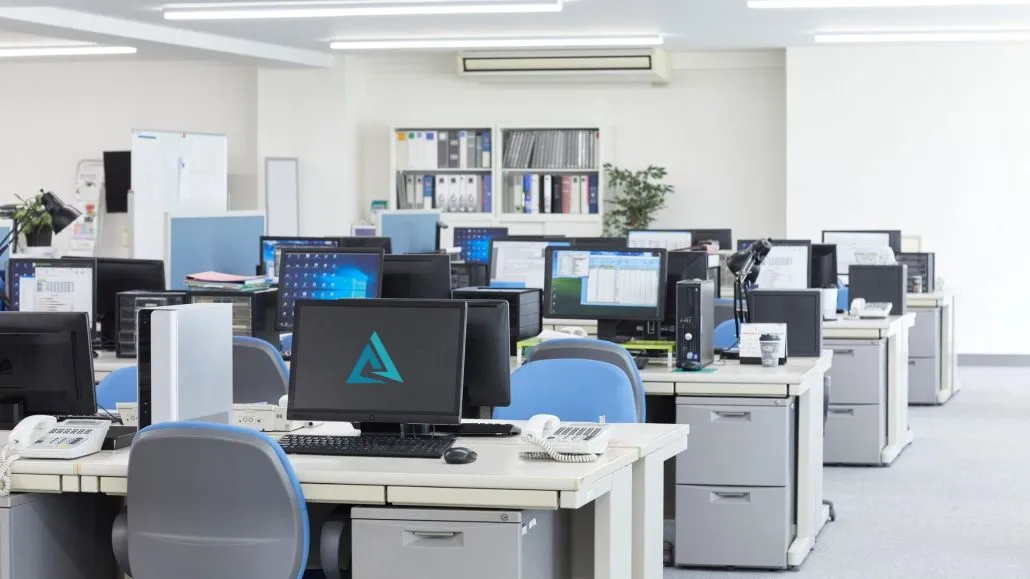
Computer leasing for business allows UK companies to spread the cost of desktops and IT equipment while keeping cashflow stable. If you need computers for your business, leasing or financing them spreads the cost, protects cashflow, and keeps tech up to date. The best option depends on whether you want ownership, flexibility, or tax efficiency.
The Fast Answer
- Computer leasing = fixed monthly payments, no large upfront cost
- Finance Lease = lower monthly cost, asset on balance sheet
- Hire Purchase = you own the computers at the end
- Tax-efficient when structured correctly
- Ideal for growing UK businesses upgrading tech every 3–5 years
Table of Contents
- What is Computer Leasing for Business?
- Computer Leasing vs Computer Finance
- Finance Lease Explained
- Hire Purchase Explained
- Tax Treatment
- FAQs
What Is Computer Leasing for Business?
Computer leasing lets a business use desktops, PCs, or IT equipment while paying a fixed monthly amount instead of paying upfront.
You get:
- Immediate access to technology
- Predictable costs
- Better cashflow
At the end of the agreement, you either:
- Upgrade
- Extend
- Or own the equipment (depending on the option)
This is why leasing is common for:
- SMEs
- Professional services
- Growing teams
- Multi-site businesses
Computer Leasing vs Computer Finance
Finance Lease Explained (Most Popular Option)
A finance lease lets you use the computers for a fixed term (typically 2–5 years).
How it works:
- No upfront purchase
- Fixed monthly payments
- Asset usually sits on your balance sheet
- Option to extend or upgrade later
Why businesses choose it:
- Lower monthly cost
- Easy budgeting
- Keeps cash free for growth
This suits businesses that:
- Upgrade tech regularly
- Don’t need ownership
- Want flexibility
Hire Purchase Explained (Ownership Option)
With hire purchase, you pay monthly and own the computers at the end.
How it works:
- Fixed term
- Monthly payments
- Ownership transfers after final payment
Why businesses choose it:
- Long-term use
- Balance sheet ownership
- Capital allowance eligibility
Best for:
- Stable businesses
- Longer equipment life cycles
What Computers Can Businesses Lease?
Most UK businesses lease:
- Desktop PCs
- All-in-one computers
- Custom-built workstations
- High-spec machines for design or data
- Full IT bundles (PCs, screens, peripherals)
Tip: Leasing everything together often lowers admin and improves approval chances.
Costs, Terms, and What Affects Pricing
Monthly cost depends on:
- Total equipment value
- Lease length (24–60 months)
- Business age & credit profile
- VAT treatment
Typical terms:
- 2–3 years: Faster upgrades
- 4–5 years: Lowest monthly cost
Tax Treatment in the UK
Tax treatment depends on structure and advice, but generally:
- Finance Lease: Payments usually deductible as business expenses
- Hire Purchase: Capital allowances may apply
- VAT: Often spread across payments (varies)
Always confirm with your accountant. Tax rules change.
Common Mistakes Businesses Make
 Choosing monthly cost only Leasing consumer-grade machines Mixing business and personal use Ignoring upgrade cycles Using suppliers without finance expertise
Step-by-Step: How to Lease Computers
- Choose your equipment
- Decide lease vs finance
- Apply (fast decisions)
- Equipment delivered
- Fixed monthly payments
Simple. No long delays.
If You Only Do 3 Things, Do This
- Match the finance type to your upgrade cycle
- Lease business-grade machines, not retail PCs
- Work with a specialist, not a generic lender
For more information on Computer Leasing for Business The Clear UK Guide (Finance vs Leasing) talk to Equipment Leasing Solutions Ltd