 Get Listed

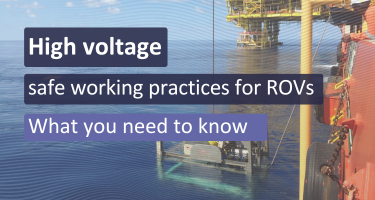
When it comes to offshore operations, safety is paramount—especially in environments where high voltage (HV) systems power the vital machinery that keeps subsea activities running smoothly. Among the most essential of these machines are Remotely Operated Vehicles (ROVs), which often rely on HV systems to carry out complex subsea tasks.
To mitigate the risks these powerful systems pose, High Voltage Safe Working Practices (HV SWPs) have been established and are now a standard across the offshore industry. These practices are not only based on practical safety principles but are also mandated by respected industry bodies like the International Marine Contractors Association (IMCA) and aligned with UK legislation such as the Electricity at Work Regulations 1989.
At EPIT, we offer a specialised High Voltage Safe Working Practices course tailored for ROV operations – providing the knowledge, skills and certifications professionals need to operate safely and effectively.
Why HV Safe Working Practices for ROVs Matter
ROVs play a crucial role in subsea inspection, maintenance, and construction. But working with or around their HV electrical systems can be dangerous without the right knowledge and safety protocols. Hazards such as electric shock, arc flash, and equipment failure are all too real in the offshore environment, especially in wet and conductive settings.
That’s why every individual handling ROVs must be trained, competent, and authorised to carry out HV work.
Key Elements of HV Safe Working Practices
Training and Competence
All personnel involved with HV ROV systems must undergo specialist training – like EPIT’s High Voltage Safe Working Practices – ROV course that aligns with IMCA’s R 005 guidance.
This includes:
- Understanding HV electrical principles
- Recognising the dangers of electrical contact
- Learning safe isolation and testing procedures
Only trained, competent, and authorised individuals should perform any HV work.
Risk Assessment and Planning
Every HV task starts with a detailed risk assessment. Personnel must identify potential hazards and develop a Safe System of Work, often incorporating a Permit to Work (PTW) system to ensure proper control and oversight.
Isolation and Lockout/Tagout (LOTO)
Before starting any intervention, HV systems must be fully isolated. Lockout/Tagout procedures help prevent accidental re-energisation. Isolation must be verified using appropriate testing equipment.
PPE for HV Environments
Insulated gloves, arc flash suits, and HV-rated face shields are just some of the PPE required for working safely with high voltage. All gear must be tested and certified for HV use.
Testing and Verification
Tools and instruments used on HV systems must be certified and tested. Technicians must be skilled in the relevant testing procedures.
Emergency Procedures
Clear emergency shutdown and first-aid protocols must be in place and communicated to all personnel before work begins.
Documentation and Authorisation
Detailed documentation – including risk assessments, permits, and training records – is essential. Clear roles such as Authorising Engineer, Senior Authorised Person, and Competent Person must be assigned for every task.
EPIT’s High Voltage Safe Working Practices – ROV Course
Our course is designed in line with IMCA R 005 Appendix I part A, ensuring international compliance and industry relevance. It covers:
Course Content:
- HSE and Electricity at Work Regulations
- HV / LV system design and protection
- Permit to Work and LOTO requirements
- Earthing, testing, and fault finding
- Practical safe isolation exercises
- Written assessment and certification
Target Audience:
This course is ideal for:
- ROV personnel
- Electrical and instrumentation technicians
- Mechanical engineers working on or around HV systems in offshore environments
IMCA Standards and Industry Alignment
IMCA’s guidance documents – including IMCA R 005 – form the backbone of electrical safety procedures in offshore ROV operations. They set expectations for training, documentation, and procedural control while emphasising incident reporting and continuous improvement through Safety Flashes.
EPIT’s course is designed to meet and exceed these standards, offering real-world training that prepares technicians to act confidently and safely in high-risk environments.
Prepare Your Team with Confidence
Whether you’re operating ROVs offshore or maintaining HV systems back onshore, ensuring your team is trained in best practices isn’t just good policy – it’s a regulatory requirement. EPIT’s High Voltage Safe Working Practices for ROVs course delivers the training and certification needed to keep operations running smoothly and safely.
Contact our training team to secure your place.
For more information on High Voltage Safe Working Practices for ROVs: What You Need to Know talk to EPIT